




The Strategic Imperative of Modern B2B Omnichannel Fulfillment
In today's hyper-connected global economy, enterprise buyers, wholesale distributors, and multi-channel brands face an unprecedented supply chain paradox. While retail platforms demand rigid adherence to Routing Guides and Electronic Data Interchange (EDI) standards, traditional third-party logistics (3PL) providers often attempt to force modern wholesale operations into standardized Direct-to-Consumer (D2C) fulfillment workflows. This structural mismatch results in severe retail compliance chargebacks, fragmented inventory visibility, out-of-stock penalties, and inflated freight expenditures.
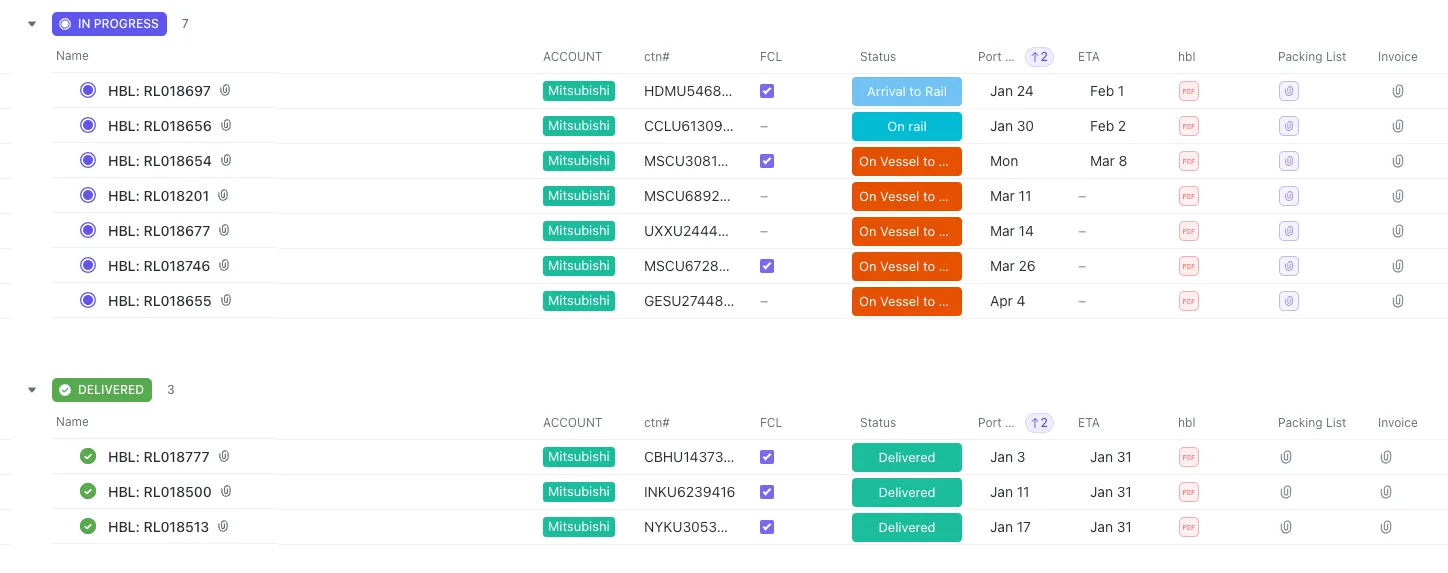
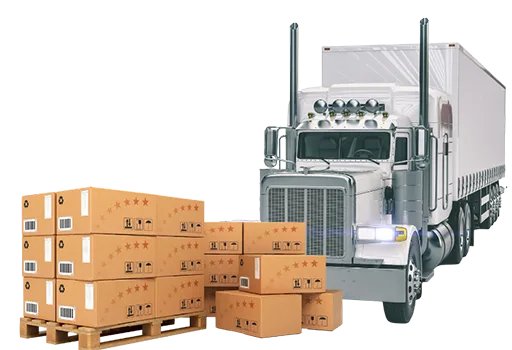
B2B Omnichannel Fulfillment bridges the critical gap between overseas manufacturing facilities and complex domestic distribution channels. Unlike consumer-centric fulfillment that processes single-unit parcel orders, true B2B omnichannel infrastructure governs master-carton allocations, full pallet builds, retail kitting, GS1-128 barcode compliant labeling, appointment scheduling, and multi-modal transport orchestration across air, sea, rail, and over-the-road (OTR) trucking networks.
Most mid-market enterprises allocate distinct safety stock pools to individual sales channels—reserving specific inventory units exclusively for Amazon FBA, big-box retail partners (e.g., Walmart, Target, Home Depot), and direct wholesale buyers. This practices locks up millions in working capital. Regent Logistics' unified B2B Omnichannel Fulfillment Engine operates off a dynamic single-inventory view. Stock received at our Elk Grove Village warehouse near Chicago ORD airport is virtually buffer-allocated in real-time. Whether a purchase order triggers an urgent air export, an FCL ocean container split, or a retail store replenishment, goods are picked, compliance-packaged, and dispatched from a single consolidated location.
B2B Omnichannel Fulfillment vs. Traditional B2C/Wholesale Logistics
Global procurement teams evaluating supply chain partners must understand the operational distinctions between legacy warehousing models and modern omnichannel execution:
| Operational Criteria | Legacy B2C Parcel Fulfillment | Traditional Wholesale Warehousing | Regent B2B Omnichannel Fulfillment |
|---|---|---|---|
| Order Profile | Single units / Consumer orders | Static, bulk pallet shipments | Dynamic: Pallet, Master Case, & Parcel |
| System Integration | Basic E-Commerce APIs (Shopify) | Manual PO processing / Batch EDI | Real-Time Bi-Directional EDI / WMS / API |
| Compliance & Labeling | Standard carrier thermal labels | Basic shipping tags | GS1-128 / UCC-128 / Retail Routing Guides |
| Freight Integration | Small parcel carrier pickups | Contract LTL/FTL trucking | Integrated NVOCC Ocean + IATA Air + Trucking |
| Inventory Pooling | Isolated D2C safety stock | Fixed bulk warehouse space | Unified Multi-Channel Physical & Digital Stock |
| Chargeback Protection | Not applicable | High risk of penalty fee fines | 100% Audit Photo Inspection & Pre-Clearance |