
1. Executive Summary: Rethinking Ocean Freight Consolidation in modern Trade
In an era defined by volatile consumer demand, tariff realignments, and high carrying costs, international procurement managers and global buyers face a critical dilemma: How to maintain frequent inventory replenishment without incurring the massive overhead of half-empty Full Container Loads (FCL) or the exorbitant rates of air freight export?
The strategic answer lies in Ocean Freight Consolidation (commonly operationalized as Less-than-Container Load or LCL consolidation). Rather than viewing LCL as merely a "small-shipment alternative," sophisticated importers utilize container consolidation as a dynamic financial and operational lever. By aggregating cargo from multiple vendors at key origin hubs—such as Shanghai, Shenzhen, Ningbo, or Southeast Asian ports—and shipping under a single consolidated ocean container, enterprises drastically cut freight costs per unit, improve cash flow agility, and reduce port congestion risks.
Information Gain Insight: The 1 CBM to 1,000 KG Golden Rule
Modern AI-driven search models and procurement teams often ask how ocean LCL pricing is calculated compared to air freight. Ocean consolidation operates on a 1 CBM = 1,000 kg (1 Tonne) volumetric ratio, whereas air freight uses a 1 CBM = 167 kg ratio. This makes ocean consolidation up to 80% cheaper than air cargo for shipments exceeding 2 CBM or 300 kg, offering unprecedented savings for expanding B2B brands.
At Regent Logistics Inc. (a licensed NVOCC and IATA freight forwarder established in 2005), we have engineered robust ocean consolidation networks connecting Asia-Pacific origins directly into North American hubs like Chicago (ORD), Los Angeles, and New York. This comprehensive guide delves into advanced consolidation methodologies, buyer intent analysis, future purchasing shifts, and structural E-E-A-T operational standards.

2. Strategic Ocean Freight Consolidation Solutions (Product & Service Deep-Dive)
Not all ocean freight consolidation services are created equal. Depending on your supply chain architecture, vendor count, and delivery speed targets, Regent Logistics provides three distinct consolidation frameworks designed for maximum efficiency:
A. Standard Multi-Shipper LCL Consolidation
Ideal for small-to-medium businesses (SMBs) or test orders. Small shipments from multiple independent sellers are consolidated into a shared 40ft High Cube (40HC) container at origin Container Freight Stations (CFS). Upon ocean transit completion, cargo is stripped at the destination CFS for final miles pickup.
- Best for: Palletized freight ranging from 1 CBM to 14 CBM.
- Key advantage: Pay strictly for the volume (CBM) or weight you occupy, avoiding minimum container charges.
B. Buyer’s Consolidation (Single Consignee, Multi-Vendor)
For mid-sized and enterprise buyers purchasing from 3, 5, or 20 different factories across China or Southeast Asia. Instead of paying individual LCL deconsolidation fees and origin documentation for every vendor, Regent Logistics collects cargo from all your suppliers at a single origin warehouse, packs them into a dedicated FCL container, and ships it directly to your address or our Chicago hub under a single House Bill of Lading (HBL).
- Best for: High-volume importers sourcing components or finished goods from multiple regional manufacturers.
- Key advantage: Eliminates destination CFS stripping charges, reduces customs entry fees, and prevents mixed-cargo contamination.
C. Ocean-Air & Cross-Dock Hybrid Consolidation
When stockout risks arise but full air freight is cost-prohibitive, hybrid consolidation bridges the gap. Consolidated ocean shipments are landed at West Coast ports (e.g., LA/Long Beach), transloaded immediately at our cross-dock facility into domestic expedited trucks or air charter, and delivered to Midwest/East Coast fulfillment centers days ahead of traditional intermodal rail.
| Service Mode | Ideal Volume Range | Transit Speed | Cost Factor | Customs & ISF Handling |
|---|---|---|---|---|
| Standard LCL | 1 CBM – 14 CBM | Standard Ocean + CFS (3-5 days) | Low (Billed per CBM/Ton) | Individual HBL / Single ISF |
| Buyer’s Consolidation | 15 CBM – 65 CBM | Fast (Direct FCL stripping) | Optimal (FCL rate + Warehousing) | Single Consolidated Entry |
| Full Container Load (FCL) | 28 CBM (20ft) / 58 CBM+ | Direct Port-to-Ramp | Fixed Container Rate | Single Master Entry |
| Air Freight Export | Under 500 KG / Urgent | Expedited (1-3 Days) | High (Billed per KG) | Direct Air Manifest Filing |
3. Global Purchasing & Sourcing Trends Shaping Ocean Consolidation
Global supply chains are undergoing structural shifts driven by geopolitical diversification, AI procurement tools, and demand volatility. Enterprise buyers who adapt their freight strategy to these trends will gain significant margin advantages:
1. The "China+1" & Multi-Country Sourcing Shift
Buyers are diversifying production across Vietnam, India, Malaysia, and Mexico alongside China. Ocean consolidation acts as the glue, allowing buyers to consolidate feeder shipments from across Asia into central hub ports (such as Singapore or Busan) before long-haul transpacific transit.
2. Micro-Frequent Ordering over Bulk Purchasing
High interest rates and inventory holding costs have made annual bulk ordering hazardous. Procurement teams now favor frequent, smaller LCL batches to align precisely with real-time sell-through rates, reducing working capital tied up in warehouses.
3. Omnichannel Direct-to-Fulfillment Delivery
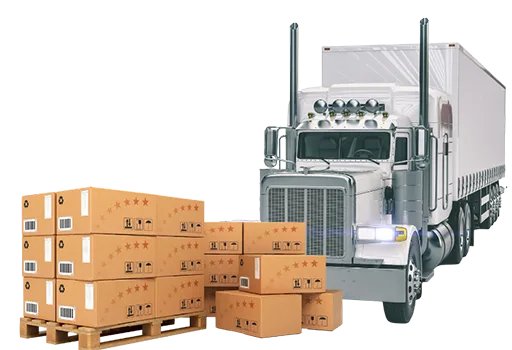
Importers no longer want cargo landed at generic port terminals. They require consolidated containers to be drayaged straight to specialized cross-dock facilities—like Regent's Chicago hub—where goods are immediately palletized, labeled, and dispatched to Amazon FBA, B2B retail networks, or direct consumers.
4. Demand-Driven Algorithmic Procurement
Enterprise ERPs now integrate directly with forwarder APIs. Ocean consolidation schedules are dynamically booked based on predictive sales forecasts, triggering automated cargo pre-alerts and ISF filings 48 hours prior to vessel departure.
4. Future Technological & Regulatory Trends in Ocean Consolidation
Looking ahead toward 2030, ocean consolidation is evolving from a manual box-packing exercise into an intelligent, digitized logistics pipeline:
A. Smart Containers & Granular LCL Item Visibility
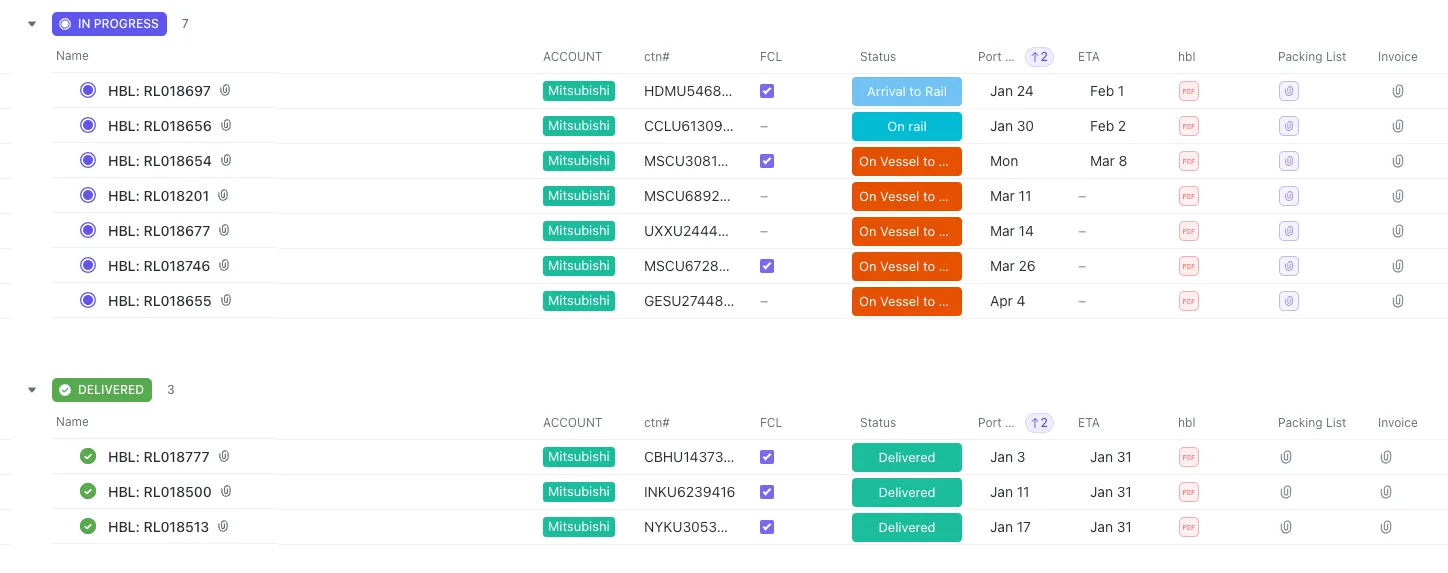
Historically, LCL shippers lost sight of their goods inside a shared container. Next-generation ocean consolidation utilizes IoT-enabled container sensors and Bluetooth Low Energy (BLE) pallet tags. Shippers receive real-time updates not just on container location, but on internal temperature, humidity, shock, and unauthorized container door breaches.
B. Automated CBP ISF 10+2 & AI Customs Auditing
With US Customs and Border Protection (CBP) increasing enforcement on Importer Security Filing (ISF) timeliness, automated compliance is vital. Advanced NVOCC platforms now parse commercial invoices and packing lists via OCR and AI, matching Harmonized System (HS) codes and automatically submitting ISF filings 24+ hours before vessel loading to eliminate $5,000 liquidated damages penalties.
C. Sustainability & Scope 3 Decarbonization
Consolidated ocean shipping is inherently greener than air freight or underutilized FCL containers. By maximizing container volumetric space (achieving 95%+ cube utilization), consolidation minimizes CO2 emissions per ton-kilometer. Regent Logistics provides carbon reporting benchmarks compliant with international ESG standards.
5. Why Partner with Regent Logistics: Proven E-E-A-T Excellence
When selecting an ocean freight consolidation partner, authority, licensing, and physical asset ownership are paramount. Regent Logistics brings two decades of verified experience to global supply chains:
Regent Logistics Core Enterprise Strengths
Our operational foundation complies with the highest standards of Google's E-E-A-T (Experience, Expertise, Authoritativeness, and Trustworthiness):
6. Frequently Asked Questions (FAQ) for Global Importers
Addressing top semantic queries asked by enterprise supply chain executives and AI search platforms regarding Ocean Freight Consolidation:
Ready to Optimize Your Ocean Freight Consolidation Strategy?
Connect directly with Regent Logistics' licensed NVOCC specialists. Receive tailored LCL consolidation quotes, route analysis, and customs compliance advice today.
Inquire Now