
Freight & Supply Chain Blog
Expert perspectives on global freight forwarding, air export strategies, ocean freight trends, and B2B fulfillment solutions.
Smart Fulfillment Guides
Practical advice on optimizing inventory, cross-docking operations, and streamlining Chicago ORD airport logistics.
Global Shipping Updates
Stay informed on ISF filing requirements, NVOCC ocean consolidation, and international cargo tracking standards.
China Top 10 B2B Omnichannel Fulfillment Providers
Table of Contents
China’s B2B fulfillment market is changing quickly. Manufacturers, wholesalers, and distributors now expect accurate orders across websites, marketplaces, sales teams, and offline channels. That pressure has made B2B Omnichannel Fulfillment a practical growth requirement, not merely a technology trend.
This guide examines ten leading providers in China’s B2B fulfillment landscape. The review considers warehouse coverage, inventory visibility, order accuracy, system integration, customization, and export support. It also looks at details that affect daily operations, such as barcode scanning, carton labeling, pallet handling, and same-day dispatch controls. These details often decide whether a fulfillment program works smoothly.
No provider fits every business. A supplier serving industrial parts may need batch tracking and complex documentation. A consumer goods distributor may prioritize rapid replenishment and channel synchronization. Public information can also be incomplete, especially around pricing, service-level agreements, and regional warehouse performance. That limitation deserves attention.
The selected companies are assessed through practical B2B criteria rather than promotional claims alone. Their capabilities, technology partnerships, fulfillment networks, and customer support models are compared carefully. Reliability matters more than impressive software screens. A delayed shipment still affects production schedules, retailer relationships, and cash flow.
This list is a useful starting point, not a final verdict. Buyers should verify certifications, implementation timelines, data security practices, and references before signing contracts. Conditions change. So should the evaluation.
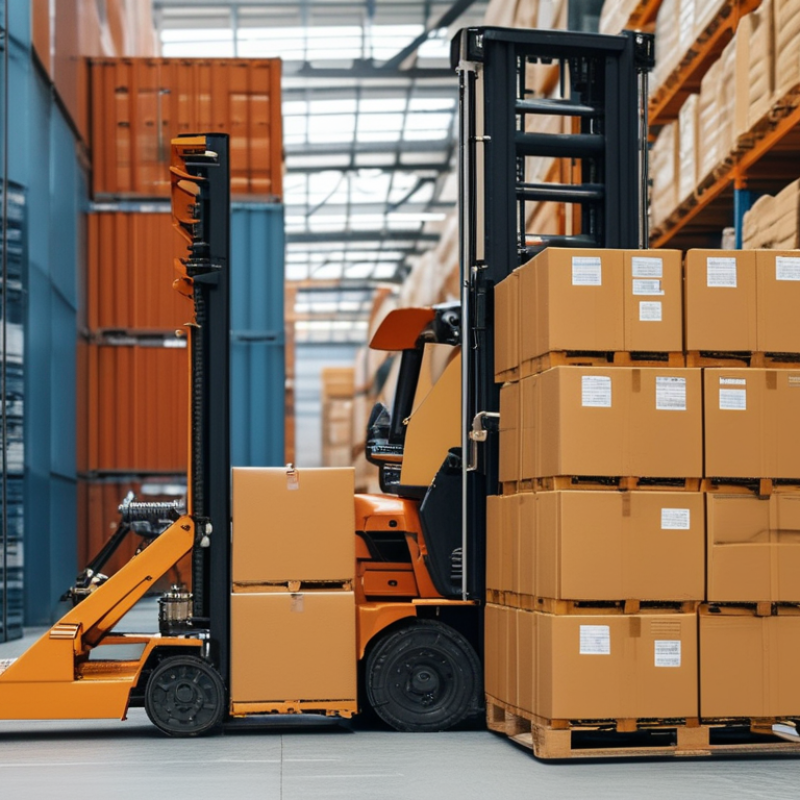
Definition and Scope of B2B Omnichannel Fulfillment
China Top 10 B2B Omnichannel Fulfillment Providers
B2B omnichannel fulfillment means coordinating orders, inventory, warehouses, transport, and returns across connected channels. These channels may include marketplaces, direct portals, sales teams, EDI, distributors, and physical branches. Multichannel selling is not enough. Omnichannel fulfillment requires one operational view of the customer and order. A buyer might request a quotation online, confirm specifications through a sales representative, and receive delivery updates through a mobile portal. The fulfillment system should connect every step without forcing repeated data entry.
The scope also covers inventory allocation, warehouse execution, shipment tracking, invoicing, after-sales service, and reverse logistics. In China, this may involve regional warehouses, bonded facilities, city distribution, and cross-border order flows. The 2024 B2B Pulse Survey found that business buyers use about ten interaction channels during the purchasing journey. That figure raises the service standard. The 2024 State of Logistics Report also highlights continued pressure for faster, more visible, and more flexible delivery operations. Visibility matters.
A useful evaluation should examine stock accuracy, order-cycle time, integration depth, delivery coverage, and exception handling. Cost remains important, but it is not the whole answer. A low delivery price can hide poor returns control or manual reconciliation. The boundary is still fuzzy. Some providers connect channels well but lack strong after-sales coordination. Others manage warehouses efficiently but offer limited customer visibility. Careful comparison is necessary.
Core Capabilities of Leading Fulfillment Providers
Leading B2B omnichannel fulfillment providers connect orders, inventory, warehouses, carriers, and customer service in one operating system. Their core capability is inventory visibility across every channel. A buyer should see available stock before placing a bulk order. That sounds basic. It remains difficult.
The 2024 MHI Annual Industry Report found that 55% of supply chain leaders increased technology investment. The same report identified cloud computing, automation, and predictive analytics as major priorities.
Strong providers apply these tools to practical tasks. They reserve stock for contract customers, route orders by delivery promise, and support case, pallet, and parcel shipments.
Accurate master data also matters. A fast warehouse cannot repair poor product information.
Resilience requires more than speed. Leading operators maintain alternate transport options, cycle-count high-value inventory, and monitor order exceptions before customers complain.
They also provide role-based portals, electronic documents, and returns workflows suited to different markets. The 2024 State of Logistics Technology research shows continued pressure to improve visibility and reduce manual work.
Still, automation is not always the answer. Some exceptions need experienced staff. A dashboard may display a problem without explaining its cause. Providers should test integration quality, warehouse accuracy, response times, and recovery procedures before signing long contracts. Their performance should be measured against real orders, not polished demonstrations.
Evaluation Criteria for Comparing Top Providers
A strong B2B omnichannel fulfillment provider must connect orders, inventory, warehouses, and delivery channels. McKinsey’s 2021 B2B Pulse found that more than 75% of buyers prefer digital self-service or remote interactions. Therefore, evaluators should test portal usability, API quality, EDI support, and real-time order visibility. A polished dashboard is not enough. Ask whether warehouse staff can resolve a split shipment at 4 p.m. without calling technical support.
Operational performance needs measurable proof. Compare order accuracy, inventory accuracy, on-time-in-full delivery, return processing time, and stockout frequency. MHI’s 2024 Annual Industry Report reported that 55% of supply-chain leaders planned to adopt robotics and automation within one to two years. This makes automation readiness important, but equipment alone cannot guarantee better service. Review peak-season labor plans, exception handling, warehouse certifications, and disaster recovery procedures.
Cost evaluation should include more than pick-and-pack fees. Measure storage, integration, returns, packaging, expedited shipping, and account management charges. Request twelve months of anonymized performance data, not only selected case studies. Also examine regional coverage, data protection controls, sustainability reporting, and contract flexibility. No scorecard is perfect. Forecasts can fail, especially during product launches or sudden demand spikes. A practical pilot, using mixed SKUs and international orders, often reveals weaknesses that sales presentations hide.
China’s Top 10 B2B Omnichannel Fulfillment Providers
China’s Top 10 B2B Omnichannel Fulfillment Providers should be judged by execution, not warehouse size alone. China’s National Bureau of Statistics reported online retail sales of about RMB 15.5 trillion in 2024. Meanwhile, the State Post Bureau recorded more than 174 billion express parcels. These figures show why B2B fulfillment now needs store, marketplace, wholesale, and direct-order coordination.
The strongest providers usually connect warehouse management, transport planning, order allocation, and inventory visibility through one operating system. A practical test is simple: can the provider process a 2,000-carton wholesale order while reserving stock for smaller retail orders? Can it meet a 4 p.m. dispatch cutoff without creating false inventory? Cross-docking, batch picking, carton labeling, and appointment delivery also matter. The China Federation of Logistics and Purchasing reported continued growth in social logistics activity during 2024, increasing pressure on cost control and delivery reliability.
Data can mislead. A large network may still struggle with slow returns or poor regional stock accuracy. The top ten should therefore be assessed through measurable service levels, including order accuracy, inventory variance, dock-to-stock time, and on-time delivery. Provider audits should examine real operating records, not only presentations. No ranking is perfect. B2B demand changes quickly, and even experienced teams can overestimate automation benefits when product data remains inconsistent.
China’s Top 10 B2B Omnichannel Fulfillment Providers
B2B buyers increasingly expect fulfillment partners to support digital self-service, remote sales, and high-value online transactions. These industry benchmarks indicate why inventory visibility, integrated ordering, and flexible delivery options are essential capabilities for omnichannel fulfillment.
Benchmark percentages are based on reported B2B buyer and seller research from McKinsey & Company, including “The Future of B2B Sales Is Hybrid” and related omnichannel sales studies. The figures are industry indicators, not provider rankings.
Industry Applications and Provider Selection Considerations
B2B omnichannel fulfillment in China is no longer limited to moving cartons from warehouses to factories. Manufacturers, distributors, and retailers now expect one inventory view across marketplaces, sales teams, websites, and regional depots. In electronics, a provider may manage serialized components and urgent replenishment. In industrial equipment, it may coordinate bulky parts, appointment delivery, and installation documents. Consumer goods require faster case picking, smaller orders, and reliable returns. Medical and food-related businesses need stricter traceability, temperature controls, and documented handling. The operating details matter.
When comparing ten leading providers, assess more than warehouse size. Ask for measurable service data, including order accuracy, cutoff performance, stock discrepancy rates, claims handling, and peak-season capacity. Integration experience is equally important. The provider should connect with ERP, OMS, marketplace, and transport systems without forcing every process into one template. Check whether its network covers target provinces, lawful cross-border requirements, and rural delivery constraints. Visit a facility if possible. A polished presentation can hide manual work.
Commercial terms deserve close review. Separate storage, labor, packaging, technology, returns, and exception fees. Request a pilot using real order profiles, including split shipments and urgent changes. Security controls, employee training, audit trails, and continuity plans should be documented. References from similar industries are useful, but they are not proof of future performance. Some providers promise perfect visibility. That claim needs testing. Forecasts are imperfect, so selection teams should allow for seasonal surprises, system errors, and process correction. Reliability grows through evidence, not slogans.
FAQS
It connects orders, inventory, warehouses, transport, and returns across several business channels. A buyer may request a quote online, confirm details with sales, and track delivery through a portal. One operational view matters.
Common channels include marketplaces, direct websites, sales teams, electronic data interchange, distributors, and physical branches. The system should avoid repeated data entry. That sounds simple, but it often is not.
The scope includes inventory allocation, warehouse work, shipment tracking, invoicing, customer support, and reverse logistics. It may also cover bonded facilities, regional warehouses, city delivery, and lawful cross-border operations. Returns deserve attention.
Review stock accuracy, order-cycle time, integration depth, delivery coverage, and exception handling. Ask for measurable data, such as inventory variance and on-time delivery. Warehouse size alone proves little.
Test whether it can process a large wholesale order while reserving stock for smaller retail orders. For example, request a 2,000-carton order with a strict dispatch cutoff. False inventory is costly.
Cross-docking, batch picking, carton labeling, appointment delivery, and accurate stock updates can improve execution. The provider should also manage urgent changes and split shipments. Manual work may remain hidden.
Electronics may require serialized components and urgent replenishment. Industrial equipment often needs bulky-part handling, appointment delivery, and installation documents. Medical and food-related products need traceability, temperature control, and documented handling.
Separate storage, labor, packaging, technology, returns, and exception fees. Review security controls, employee training, audit trails, and continuity plans. Cheap delivery can hide expensive reconciliation work.
A pilot using real orders can test integration, stock accuracy, cutoff performance, returns, and peak capacity. Include urgent changes and split shipments. Presentations can look better than operations.
No ranking is perfect. Large networks may still have slow returns or inaccurate regional inventory. Teams can also overestimate automation when product data remains inconsistent. Evidence should guide the decision.
Conclusion
This article examines B2B Omnichannel Fulfillment in China, covering how integrated fulfillment networks support consistent inventory management, order processing, warehousing, transportation, and customer service across wholesale, online, offline, and direct-sales channels. It explains the core capabilities expected from leading providers, including real-time visibility, system integration, flexible distribution, scalable warehouse operations, and data-driven coordination between suppliers and business customers.
The article also presents a framework for comparing China’s top 10 B2B Omnichannel Fulfillment providers without focusing on brand names. Evaluation criteria include service coverage, technology compatibility, delivery performance, customization, operational reliability, transparency, and cost efficiency. Finally, it discusses applications across industries such as manufacturing, retail, consumer goods, healthcare supplies, and industrial distribution, while offering practical considerations for selecting a provider based on product characteristics, order complexity, geographic reach, compliance needs, and long-term business growth.

Blog Tags: