
Freight & Supply Chain Blog
Expert perspectives on global freight forwarding, air export strategies, ocean freight trends, and B2B fulfillment solutions.
Smart Fulfillment Guides
Practical advice on optimizing inventory, cross-docking operations, and streamlining Chicago ORD airport logistics.
Global Shipping Updates
Stay informed on ISF filing requirements, NVOCC ocean consolidation, and international cargo tracking standards.
China Top 10 Ocean Freight Consolidation Companies?
Table of Contents
Choosing an ocean freight consolidation company requires more than comparing advertised rates. It demands practical judgment, shipment data, and careful attention to service details. This article examines China’s top 10 Ocean Freight Consolidation companies through a buyer’s lens. The comparison considers port coverage, warehouse handling, sailing frequency, documentation support, tracking quality, and customer communication. These factors shape the real cost of moving smaller cargo volumes from China.
John Manners-Bell, a recognized supply chain analyst, describes resilience this way: “Resilience is the ability to recover quickly from disruption.” His observation applies strongly to consolidated ocean shipments. A missed cutoff can leave cargo waiting for another sailing. A poorly managed warehouse transfer can create delays, damage, or unexpected charges. Reliable consolidators reduce these risks through clear schedules, controlled cargo handling, and accurate status updates.
The companies discussed here serve different business needs. Some offer strong coverage across Shanghai, Ningbo, Shenzhen, and Qingdao. Others provide better support for exporters needing frequent less-than-container-load shipments. A lower quotation may not represent better value. Local fees, destination charges, handling standards, and communication speed can change the final result.
There is no universal winner.
Company performance can also change with seasons, capacity pressure, and management decisions. That reality deserves honest attention. Rankings should support further research, not replace it. Readers should verify current services, certifications, customer reviews, transit expectations, and quotations before selecting a partner. This introduction therefore treats Ocean Freight Consolidation as an operational decision, not merely a price comparison.
What Is Ocean Freight Consolidation in China?
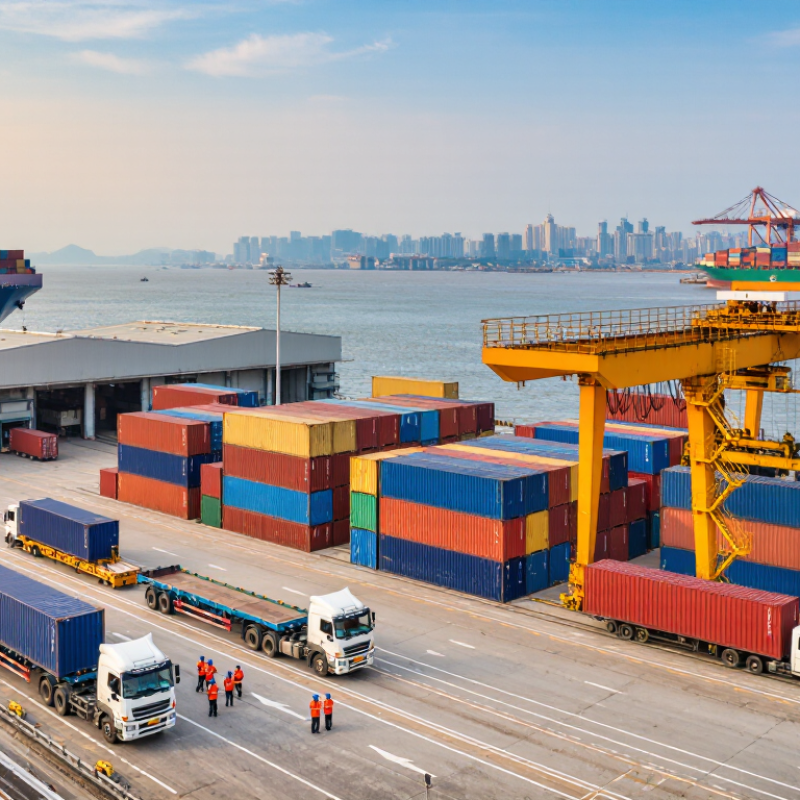
Ocean freight consolidation combines several small shipments into one shared container. In China, cargo usually moves from a supplier to a consolidation warehouse, or CFS. The warehouse checks packages, measures volume, and loads compatible cargo together. At the destination, workers deconsolidate the container and release each shipment separately. This process helps smaller exporters avoid paying for a full container. UNCTAD’s Review of Maritime Transport 2023 states that over 80% of global merchandise trade by volume moves by sea. That scale explains why careful consolidation remains commercially important.
The process is not simply “book and wait.” Cargo needs accurate dimensions, marks, commercial invoices, packing lists, and timely customs information. A wrong carton count can delay the whole container. Port congestion, blank sailings, and transshipment changes may also affect delivery dates. The World Bank’s Logistics Performance Index 2023 emphasizes customs efficiency, infrastructure, and shipment timeliness as key logistics factors. Consolidation performs well when these details align. Still, it is not flawless. A low-cost plan may create extra handling, longer warehouse time, or cargo-matching problems. Small errors matter.
Tips: Confirm the cargo-ready date before booking. Request the CFS receiving deadline in writing. Compare chargeable volume with actual volume. Use strong cartons and internal cushioning. Keep photos of pallet condition before handover. Ask whether the quote includes origin handling, documentation, and destination deconsolidation fees. A cheap rate can become expensive when several small charges appear later.
How China’s Top Consolidation Companies Are Evaluated
China’s top ocean freight consolidation companies should be evaluated by measurable performance, not search rankings. UNCTAD’s Review of Maritime Transport 2024 reports that more than 80% of global merchandise trade moves by sea. This scale makes consolidation accuracy critical. A strong provider combines cargo from several shippers, protects cut-off times, and reduces unused container space. It should also show stable sailing schedules, documented handling procedures, and clear responsibility for delays.
Reliability needs evidence. The World Bank’s Logistics Performance Index 2023 highlights customs efficiency, shipment tracking, and timeliness as core logistics factors. These criteria can guide a practical supplier review. Ask for recent on-time records, transshipment rates, cargo damage data, and claim-resolution times. Check whether quotations include origin charges, documentation fees, and destination handling. Hidden costs can destroy an attractive rate. Financial stability matters too, although buyers often overlook it.
Tips: Request three months of shipment records. Compare planned and actual departure dates. Test the tracking portal with a real booking. Confirm warehouse photographs and container-loading controls. Smaller consolidators may offer personal service, but their backup capacity can be weak during peak season. That is a useful warning, not a final judgment. Also, environmental claims should include measurable emissions methods, not vague “green” language. UNCTAD’s data supports a wider view: network resilience, transparency, and operational discipline deserve equal weight with price.
China’s Top 10 Ocean Freight Consolidation Companies
China’s top ten ocean freight consolidation companies support exporters that cannot fill a full container. They combine smaller shipments at major ports such as Shenzhen, Ningbo, Shanghai, and Qingdao. Experienced teams check cargo dimensions, packaging, labels, and documentation before loading. One incorrect measurement can change the final freight cost.
Reliable consolidators offer scheduled departures, transparent handling fees, and shipment tracking. They should explain cut-off times clearly. Strong providers also inspect cartons, photograph damaged packages, and confirm container seals before sailing. Their warehouse procedures matter greatly. A clean floor, separated cargo zones, and accurate scanning reduce avoidable mistakes.
The best ten should not be judged by advertising alone. Compare their consolidation frequency, port coverage, customs expertise, and response time. Ask for recent performance records and written quotations. A low price may hide storage charges or destination handling costs. No ranking is perfect. A spreadsheet can miss a delayed reply or a careless warehouse worker. In practice, exporters need a partner that communicates early when cargo arrives late, packing fails, or vessel schedules change. Personally, I would value honest warnings over impressive promises. That standard is less glamorous, but usually more useful.
China’s Ocean Freight Consolidation Landscape
This chart uses reported 2022 container throughput, measured in million TEUs, at China’s ten largest container gateways. Higher-throughput gateways generally provide greater sailing frequency, consolidation options, inland connectivity, and access to global shipping networks. The figures describe port activity rather than individual freight-forwarding or consolidation-company performance.
Data basis: publicly reported 2022 container throughput statistics from port authorities and industry reports.
Services and Trade Routes Offered by Leading Providers
China Top 10 Ocean Freight Consolidation Companies?
Leading ocean freight consolidators in China connect exporters with major global markets. Their core service combines smaller shipments into shared containers. This reduces space waste and can lower costs for suitable cargo. Experienced providers usually manage cargo receiving, warehouse inspection, container loading, documentation, and sailing updates. A reliable team also checks carton counts and cargo dimensions before consolidation. Small errors matter.
Their main trade routes include China–North America, China–Northern Europe, and China–Mediterranean services. Many also support routes to Southeast Asia, the Middle East, Africa, and Latin America. Transpacific shipments often serve Los Angeles, Long Beach, Vancouver, and nearby inland points. Asia–Europe cargo may move through Rotterdam, Hamburg, or Valencia. Regional routes can reach Singapore, Bangkok, Port Klang, and Manila with frequent departures. Transit times change with port congestion, weather, and transshipment schedules.
Service quality depends on more than a low quotation. Buyers should compare cutoff times, warehouse locations, destination charges, tracking detail, and claims procedures. Ask whether the provider offers door delivery, port delivery, or both. Check how they handle damaged cartons or missing documents. A clear answer builds confidence. Not every consolidator performs equally well. Some offer attractive rates but provide weak shipment visibility. That can create avoidable delays. Careful verification remains necessary, especially for new trade lanes and seasonal peak periods.
How to Choose the Right Ocean Freight Consolidator in China
Choosing a China ocean freight consolidator should begin with shipment evidence, not a polished website. UNCTAD’s Review of Maritime Transport reports that over 80% of global merchandise trade moves by sea. That scale makes small documentation errors expensive. Ask for recent sailing schedules, port pairs, consolidation cut-off times, and written cargo acceptance rules. A capable consolidator should explain pallet handling, carton labeling, cargo inspection, and destination delivery clearly.
Cost matters, but the lowest quote may conceal important exclusions. Compare origin charges, documentation fees, terminal handling, storage, customs support, and destination surcharges line by line. The World Bank’s Logistics Performance Index 2023 highlights customs, infrastructure, tracking, and timeliness as major logistics factors. Request shipment milestones, exception alerts, and a named operations contact. Test the tracking system with a real booking.
Check performance over at least three recent shipments. Look for schedule reliability, response times, damage records, and dispute handling. Ask how delays are escalated during port congestion or blank sailings. Perfect service is unlikely. Honest reporting matters more. Some buyers also overlook warehouse conditions, especially moisture control and carton stacking. That mistake can damage goods before loading. A practical scorecard can compare price, transit consistency, communication, documentation accuracy, and recovery procedures. Review it quarterly, because freight conditions change quickly.
FAQS
It combines several small shipments into one shared container. Cargo usually moves through a consolidation warehouse before loading. At destination, workers separate each shipment. It can reduce costs for exporters without full-container volume.
The warehouse receives, measures, checks, and labels each shipment. Workers combine compatible cargo inside one container. They record carton counts and container details. At destination, each shipment is deconsolidated and released separately.
Prepare accurate commercial invoices, packing lists, carton counts, and cargo marks. Provide customs information before the stated deadline. A single wrong carton count can delay other shipments. Details matter.
Confirm the cargo-ready date and warehouse receiving deadline in writing. Ask about sailing schedules, port pairs, cut-off times, and cargo acceptance rules. Check whether the quote includes origin handling and documentation fees. Do not rely on verbal promises alone.
Possible charges include storage, terminal handling, documentation, and destination deconsolidation. Some quotations exclude local delivery or customs support. Compare every fee line by line. A cheap rate may become expensive.
Use strong cartons and internal cushioning around fragile items. Keep cargo dry and avoid unstable stacking. Photograph pallet condition before warehouse delivery. Also photograph visible carton damage. Small evidence helps.
Review at least three recent shipments when possible. Compare schedule reliability, response time, damage records, and dispute handling. Ask for tracking milestones and a named operations contact. Test tracking with a real booking, not a demonstration.
Port congestion, cancelled sailings, transshipment changes, and late cargo can cause delays. Ask how exceptions are reported and escalated. Warehouse handling may also add time. Plans are imperfect. Honest warnings are more useful than impressive promises.
Conclusion
Ocean Freight Consolidation in China is a practical shipping solution that combines smaller cargo shipments from multiple businesses into shared containers. This approach can help reduce transportation costs, improve container utilization, and provide flexible options for importers and exporters. The article explains how leading consolidation companies are evaluated, including their service reliability, warehouse capabilities, customs support, documentation accuracy, tracking systems, pricing transparency, and experience with different cargo types.
It also presents a comparison of China’s top 10 ocean freight consolidation companies without focusing on specific brands, highlighting the services and trade routes commonly offered by leading providers. Readers will learn how to select the right consolidator based on shipping volume, destination, transit time, service coverage, communication quality, and total logistics costs. By understanding these factors, businesses can make more informed decisions and build an efficient, dependable international shipping process.

Blog Tags: