
Logistics Insights & News

Freight & Supply Chain Blog

Expert perspectives on global freight forwarding, air export strategies, ocean freight trends, and B2B fulfillment solutions.

Warehousing & Fulfillment

Smart Fulfillment Guides

Practical advice on optimizing inventory, cross-docking operations, and streamlining Chicago ORD airport logistics.

Compliance & Trade

Global Shipping Updates

Stay informed on ISF filing requirements, NVOCC ocean consolidation, and international cargo tracking standards.

0%

China’s NVOCC market connects exporters with major ocean routes from Shanghai, Ningbo, Shenzhen, Qingdao, and Xiamen. These companies often consolidate cargo, issue house bills, and coordinate vessel space without operating their own ships. Their value appears in practical moments, such as a missed port cut-off or a delayed container release.

This guide examines China’s Top 10 NVOCC Ocean Freight Forwarders through useful, verifiable criteria. These include route coverage, carrier relationships, documentation accuracy, transit visibility, customer support, and experience with different cargo types. We also consider how each provider handles booking changes, container tracking, shipping instructions, and destination coordination. A reliable partner should communicate clearly before loading, not only after problems occur.

The ranking should not be treated as permanent. Freight capacity, service quality, and regional performance can change quickly. Some company information is difficult to compare because providers publish different data. That limitation matters. We therefore encourage readers to confirm licenses, operating credentials, service terms, and current customer feedback before making a decision. Real experience is often found in small details: a response before midnight, a corrected bill of lading, or accurate advice when schedules shift. Not every large forwarder performs consistently on every route. That is worth remembering.

The following overview is designed for importers, exporters, sourcing teams, and logistics managers seeking dependable partners. It offers a practical starting point for comparing expertise, transparency, and operational discipline in China’s ocean freight sector.
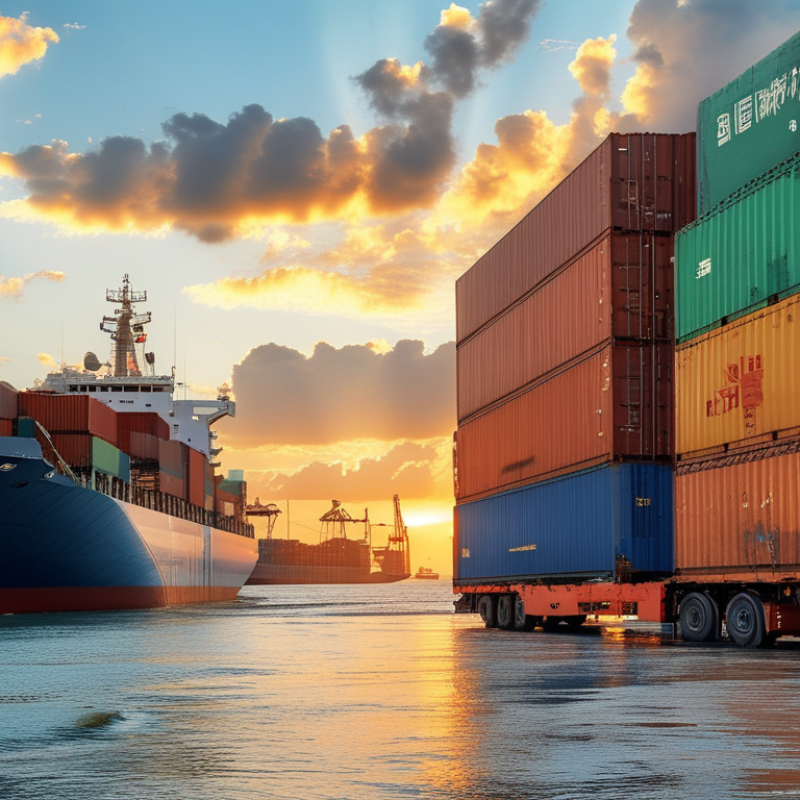
China Top 10 NVOCC Ocean Freight Forwarders?

What Is an NVOCC and How Does It Operate in China?

An NVOCC, or Non-Vessel Operating Common Carrier, sells ocean transport without owning cargo ships. In China, it buys vessel space from shipping carriers and resells that space to exporters and importers. The NVOCC issues its own house bill of lading. The shipping carrier issues a master bill for the vessel movement.

A typical shipment may begin in Shenzhen, Ningbo, Qingdao, or Shanghai. The NVOCC receives cargo details, checks container requirements, and confirms the sailing schedule. It may combine several shipments into one container at a nearby warehouse. Then, its team arranges trucking, port delivery, documentation, and cargo handover. Accuracy matters here. A wrong carton count can delay cargo at the terminal.

The NVOCC also manages communication between factories, truckers, warehouses, carriers, and consignees. It monitors container cut-off times and updates customers when schedules change. Port congestion, weather, equipment shortages, or document corrections can affect the plan. The process is not always smooth.

Good operators maintain written procedures and verify key details before release. They check the bill of lading, container number, gross weight, consignee information, and declared cargo description. They also follow applicable customs, shipping, and safety requirements. Experience helps, but experience alone is not enough. I have seen careful teams still miss a small timing change. Regular checking remains necessary.

China Container Port Throughput Context for NVOCC Operations (2023)

An NVOCC does not operate its own vessels. It purchases carrier capacity, consolidates shipments, issues house bills of lading, and manages documentation and cargo delivery. Port throughput illustrates where China’s container demand is concentrated; it is market context rather than an NVOCC ranking. Figures are rounded 2023 throughput estimates reported by port authorities and transport-sector statistics, measured in million TEU.

How to Evaluate China’s Top NVOCC Ocean Freight Forwarders

A practical evaluation of China’s top NVOCC ocean freight forwarders starts with operational evidence, not online rankings. Ask how long the company has managed your trade lane and which ports it serves regularly. Look for clear sailing schedules, container allocation procedures, and realistic cargo cut-off times. Request sample bills of lading, transit estimates, and a complete quotation. The answer should explain origin charges, destination fees, documentation costs, and possible surcharges.

Service reliability appears in small details. Compare schedule accuracy across several recent shipments, not one successful booking. Check whether the forwarder has trained documentation staff and responsive local agents. Verify relevant registration, financial stability, cargo insurance arrangements, and claims procedures through independent records. A polished website proves little. Direct references from shippers with similar cargo and routes carry more weight.

Use a scorecard with measurable criteria: schedule performance, communication speed, rate transparency, equipment access, and claim handling. Test response quality with practical questions about rolled bookings, port congestion, and damaged cartons. Their reply may reveal more than a sales presentation. Price should matter, but an unusually low offer needs careful review. This method is imperfect because market conditions change quickly. Even experienced buyers can miss hidden destination charges or assume every quoted sailing is guaranteed. Keep written records, compare revisions, and review performance after each shipment.

China’s Top 10 NVOCC Ocean Freight Forwarders

China’s Top 10 NVOCC Ocean Freight Forwarders are often judged by service depth, not fleet ownership. These companies issue their own bills of lading and arrange space through ocean carriers. Their value appears in booking control, documentation accuracy, and shipment visibility.

A practical top-ten review should examine port coverage, sailing frequency, customs coordination, and claims handling. Strong operators usually support major gateways such as Shanghai, Ningbo, Shenzhen, Qingdao, and Xiamen. They can manage a factory pickup, export documents, container loading, and final delivery with clear handover records. One missed cutoff can disrupt an entire production schedule.

Schedules change. Experienced teams explain delays early and offer realistic alternatives. They also check cargo descriptions, weights, packaging, and destination requirements before booking. This reduces correction fees and terminal problems. However, rankings are not permanent. A forwarder may perform well on Asia-Europe routes but struggle with smaller regional shipments. Data quality can also be uneven, especially when service claims rely on marketing language rather than verified shipment records.

From an operational perspective, reliable NVOCC partners provide written quotations, transparent surcharges, responsive staff, and measurable transit updates. They should protect customer information and maintain consistent communication across time zones. Price still matters, but the lowest offer may hide limited equipment access or weak exception management. Careful shippers compare recent performance, contract terms, sailing history, and customer references before making a decision.

Services and Trade Routes Offered by Leading NVOCCs

China’s leading NVOCC ocean freight forwarders compete through services, not vessel ownership. They purchase carrier space, consolidate cargo, and coordinate documentation across multiple ports. UNCTAD’s Review of Maritime Transport 2024 estimates that maritime trade grew 2.4% in 2023. It also confirms that ships carry over 80% of global merchandise trade by volume.

Their main corridors include Asia–Europe, transpacific, intra-Asia, and China–Middle East routes. Latin America and Africa services often rely on regional transshipment hubs. A practical booking may begin with factory pickup in Ningbo, continue through a hub, and finish with container delivery near Rotterdam or Los Angeles. Available services commonly include FCL, LCL consolidation, cargo tracking, customs coordination, warehouse transfer, and multimodal delivery.

Small details matter. A forwarder should show cut-off times, sailing frequency, transit estimates, and free-time conditions clearly. Drewry’s Container Forecaster regularly highlights how capacity changes and schedule reliability influence freight costs. Therefore, a cheap ocean rate may hide extra handling or storage exposure. Route maps can mislead.

Real shipment planning also needs contingency options. Port congestion, blank sailings, and seasonal demand can disrupt a carefully planned schedule. The World Bank’s Logistics Performance Index shows that tracking, border processes, and logistics reliability remain important performance factors. NVOCCs should explain these risks plainly, although many quotations still oversimplify them. A useful comparison examines the full landed cost, not only the ocean freight line.

China Top 10 NVOCC Ocean Freight Forwarders? - Services and Trade Routes Offered by Leading NVOCCs

An anonymized comparison of leading NVOCC service profiles, commonly offered trade lanes, and core ocean-freight capabilities

Profile NVOCC Scale Primary China Gateways Main Trade Routes Ocean Freight Services Cargo Focus Value-Added Services Typical Customer Needs
01 Global-scale NVOCC Shanghai, Ningbo-Zhoushan, Shenzhen, Qingdao Asia–North America; Asia–Northern Europe; Asia–Mediterranean FCL, LCL consolidation, buyer’s consolidation, multimodal forwarding General cargo, retail goods, machinery, consumer products Customs documentation, origin consolidation, warehousing, cargo tracking High-volume shippers requiring broad sailing coverage and stable consolidation
02 Global-scale NVOCC Shanghai, Xiamen, Shenzhen, Hong Kong Asia–U.S. West Coast; Asia–U.S. East Coast; Asia–Latin America FCL, LCL, transshipment, door-to-door ocean forwarding E-commerce cargo, furniture, electronics, apparel, industrial goods Pre-carriage, destination delivery, shipment visibility, document control Importers seeking integrated origin-to-destination coordination
03 Global-scale NVOCC Shanghai, Ningbo-Zhoushan, Tianjin, Dalian Asia–Northern Europe; Asia–Baltic region; Asia–Middle East FCL, LCL, project cargo coordination, port-to-port forwarding Heavy machinery, automotive components, steel products, equipment Cargo planning, special handling coordination, export compliance support Manufacturers requiring reliable handling for heavy or oversized shipments
04 Global-scale NVOCC Shenzhen, Guangzhou, Xiamen, Shanghai Asia–Southeast Asia; Asia–India; Asia–Middle East LCL consolidation, FCL, feeder connections, cross-border trucking Consumer goods, textiles, spare parts, packaged commodities Consolidation scheduling, bonded warehousing, customs brokerage coordination Small and medium-sized exporters needing frequent regional departures
05 Global-scale NVOCC Shanghai, Ningbo-Zhoushan, Shenzhen, Qingdao Asia–Mediterranean; Asia–West Africa; Asia–East Africa FCL, LCL, transshipment, inland haulage and final-mile delivery Construction materials, household goods, machinery, agricultural inputs Destination-agent coordination, cargo insurance assistance, delivery planning Shippers serving emerging markets with complex destination logistics
06 Regional-to-global NVOCC Ningbo-Zhoushan, Shanghai, Shenzhen, Fuzhou Asia–Australia; Asia–New Zealand; Intra-Asia FCL, LCL, refrigerated container coordination, feeder services Food products, beverages, consumer goods, agricultural equipment Temperature-control coordination, export packing, quarantine-document support Exporters requiring dependable services across Oceania and nearby markets
07 Regional-to-global NVOCC Shanghai, Qingdao, Tianjin, Dalian Asia–Russia and Central Asia connections; Asia–Northern Europe FCL, LCL, rail-sea intermodal, inland container transport Industrial equipment, chemicals subject to approval, machinery, project cargo Intermodal routing, customs coordination, cargo feasibility review Cargo owners needing alternatives to direct ocean routes and port gateways
08 Regional-to-global NVOCC Shenzhen, Xiamen, Shanghai, Ningbo-Zhoushan Asia–East Coast South America; Asia–West Coast South America; Caribbean FCL, LCL, transshipment, inland distribution and delivery coordination Furniture, consumer products, machinery, electrical equipment Route planning, destination documentation, container release coordination Businesses entering Latin American markets with multi-leg routing needs
09 Regional-to-global NVOCC Shanghai, Shenzhen, Ningbo-Zhoushan, Hong Kong Asia–U.S. West Coast; Asia–Canada; Transpacific inland destinations FCL, LCL, rail-linked ocean freight, cross-border trucking Retail merchandise, electronics, apparel, household products Purchase-order consolidation, inventory staging, appointment delivery Retail and e-commerce importers seeking flexible North American distribution
10 Regional-to-global NVOCC Shanghai, Ningbo-Zhoushan, Shenzhen, Xiamen Asia–Northern Europe; Asia–Mediterranean; Transatlantic connections FCL, LCL, buyer’s consolidation, port-to-door forwarding Industrial parts, consumer goods, furniture, non-hazardous chemicals Export documentation, consolidation management, warehousing, shipment reporting Manufacturers and trading companies requiring consolidated European distribution
Note: Trade lanes and services shown are standard capabilities commonly offered by NVOCCs operating from major Chinese gateways. Actual port coverage, sailing frequency, transit time, cargo acceptance, and destination services vary by shipment, carrier allocation, season, and applicable regulations.

How to Choose the Right Chinese NVOCC for Your Shipment

Choosing the right Chinese NVOCC requires more than comparing ocean freight rates. In real shipment planning, service reliability often matters more than a cheap quotation. Check the company’s operating history, licensing status, and experience with your cargo type. Ask for clear details about origin warehouses, consolidation procedures, sailing frequency, and destination delivery arrangements.

Request a complete quotation. It should show ocean freight, documentation charges, handling fees, storage terms, and possible surcharges. Hidden costs can damage a carefully planned budget. Review the house bill of lading process and confirm who handles amendments, cargo tracking, and claims. A responsive contact is valuable when a container misses its cut-off.

Communication reveals practical competence. Ask how the NVOCC manages port congestion, rolled bookings, customs documentation, and schedule changes. Request recent customer references from similar trade lanes. Also examine warehouse security, cargo inspection procedures, and packing standards. Small operational details matter.

Do not trust promises alone. Test the forwarder with specific questions and written deadlines. A low quote may still look attractive; that can be a mistake. I have seen shippers focus on price and overlook slow document handling. Compare transit estimates with actual sailing records when available. Leave room for seasonal delays, because even a capable NVOCC cannot control every port condition. Ensure payment terms, liability limits, and service responsibilities are written clearly before booking.

FAQS

What is an NVOCC?

An NVOCC sells ocean transport without owning cargo ships. It buys vessel space and resells it to exporters or importers. The NVOCC issues a house bill of lading. The shipping carrier issues the master bill.

How does an NVOCC handle shipments in China?

The process may start in Shenzhen, Ningbo, Qingdao, or Shanghai. The NVOCC checks cargo details, container needs, and sailing schedules. It may combine several shipments at a nearby warehouse. Then it arranges trucking, port delivery, documents, and cargo handover.

What services can an NVOCC provide?

Common services include full-container shipping and less-than-container consolidation. They may also arrange cargo tracking, warehouse transfers, and customs coordination. Some shipments use multimodal delivery after ocean transport. The exact service depends on the route and destination.

Which trade routes are commonly available?

Common corridors include Asia–Europe, transpacific, intra-Asia, and China–Middle East routes. Some Latin America and Africa services use regional transshipment hubs. A shipment might leave Ningbo and pass through a hub. It may later reach a delivery point near Rotterdam or Los Angeles.

What costs should I check before booking?

Request a complete quotation, not only an ocean freight rate. Check documentation, handling, storage, and possible surcharge costs. Ask about free-time conditions and destination delivery fees. A cheap rate can create expensive surprises.

How can I choose a reliable NVOCC?

Check operating history, licensing status, and experience with your cargo type. Ask about warehouses, consolidation methods, sailing frequency, and delivery arrangements. Request references from similar routes when possible. Promises are not enough.

What can delay an NVOCC shipment?

Port congestion, weather, equipment shortages, and blank sailings can change schedules. Customs corrections may also delay cargo release. A container can miss its cut-off by a few hours. Plans change.

Which documents and details need careful checking?

Verify the bill of lading, container number, gross weight, and consignee information. Check the declared cargo description before document release. Confirm amendment procedures and claim responsibilities in writing. A wrong carton count can delay terminal handling. Small errors matter.

Conclusion

This guide explains what an NVOCC is and how it operates within China’s ocean shipping system. An NVOCC purchases vessel space from shipping lines, consolidates cargo from multiple exporters, and issues its own transport documents while coordinating bookings, documentation, cargo tracking, and delivery arrangements. The article also presents practical criteria for evaluating China’s top NVOCC ocean freight forwarders, including service reliability, route coverage, pricing transparency, communication, customs coordination, warehouse access, and experience with different cargo types.

It further reviews the main services and trade routes commonly offered by leading NVOCCs, covering connections between Chinese ports and major destinations across Asia, Europe, North America, the Middle East, and other international markets. Finally, readers will learn how to select a suitable provider by comparing transit schedules, handling capabilities, total costs, customer support, shipment visibility, and contract terms. A well-chosen partner can make NVOCC Ocean Freight Forwarding more efficient, predictable, and responsive to specific shipping requirements.

Ethan

Ethan

Ethan is a professional marketing specialist with a deep understanding of the company’s products, customers, and industry landscape. Through years of experience in market research, content strategy, and customer communication, he transforms complex product information into clear, practical, and......