
Freight & Supply Chain Blog
Expert perspectives on global freight forwarding, air export strategies, ocean freight trends, and B2B fulfillment solutions.
Smart Fulfillment Guides
Practical advice on optimizing inventory, cross-docking operations, and streamlining Chicago ORD airport logistics.
Global Shipping Updates
Stay informed on ISF filing requirements, NVOCC ocean consolidation, and international cargo tracking standards.
What Is Time-Sensitive Air Freight Shipping?
Time-Sensitive Air Freight Shipping is designed for cargo that cannot wait for ordinary transport schedules. Medical equipment, production components, fresh food, and urgent commercial documents may lose value after only a few hours. A delayed shipment can stop an assembly line or leave a hospital team searching for alternatives. The service connects booking, pickup, airport handling, customs preparation, and final delivery within a tightly managed timeline.
Willie Walsh, Director General of the International Air Transport Association, has described air cargo as “a critical enabler of global trade and economic development.” His observation explains why reliable air freight requires more than a fast aircraft. Experienced providers check cut-off times, flight availability, packaging, temperature needs, security procedures, and delivery access before accepting a shipment. A strong plan also includes tracking updates and a realistic backup option. Speed without coordination can create expensive mistakes.
No plan is perfect.
Weather, congestion, handling errors, or missing documents may still interrupt the schedule. This is an important limitation that deserves honest attention. Time-Sensitive Air Freight Shipping should therefore begin with accurate cargo details, not optimistic promises. Shippers need to confirm dimensions, weight, commodity descriptions, collection windows, and the receiver’s opening hours. Clear communication helps professionals make safer routing decisions and comply with applicable transport requirements. In practice, the best results come from balancing urgency, visibility, cost, and reliability rather than choosing the fastest flight automatically.
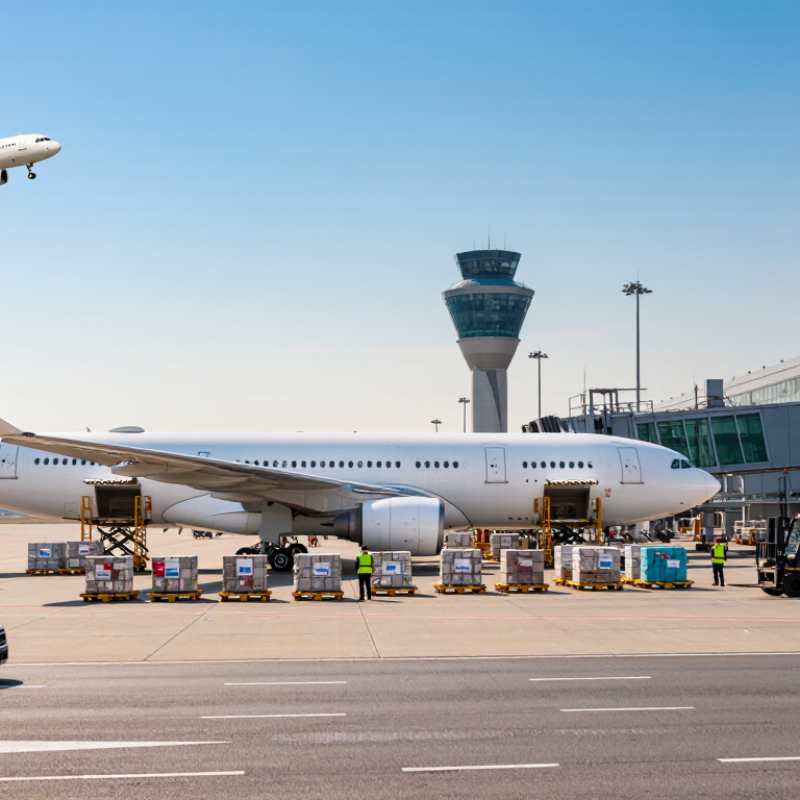
What Is Time-Sensitive Air Freight Shipping?
Time-sensitive air freight shipping is designed for cargo that cannot wait for standard delivery schedules. It moves urgent goods by air, using priority handling, rapid airport transfers, and closely managed flight connections. Unlike routine freight, every hour matters. A delayed pickup can affect production, medical availability, or a customer’s delivery promise.
In practice, reliable service begins before the cargo reaches the airport. A freight coordinator checks dimensions, packaging, documentation, pickup timing, and destination requirements. Accurate details help prevent rebooking, storage fees, and missed connections. Experienced teams also monitor flight changes and communicate realistic arrival estimates. The process is not flawless. Weather, congestion, and aircraft capacity can still create delays, even with careful planning.
Tips: Confirm the cargo’s exact weight and dimensions. Prepare complete shipping documents early. Use strong packaging that protects the contents during repeated handling. Share a contact who can respond quickly. Ask for milestone updates, not vague promises. Check cutoff times twice. A small timing mistake can remove an entire flight option. It is also wise to build a practical buffer, although urgent shipping often leaves little room for one. Clear communication remains essential when plans change.
How Time-Sensitive Air Freight Shipping Works
Time-sensitive air freight shipping is designed for cargo that must arrive within a narrow delivery window. It moves urgent shipments through scheduled flights and carefully managed airport handoffs. The goal is not simply speed. It is controlled timing. A medical device replacement, production component, or seasonal sample may depend on one flight. Every hour matters.
The process begins when the shipper provides accurate cargo details. An experienced coordinator checks dimensions, weight, packaging, destination requirements, and available departure windows. Documents are reviewed before pickup, because one missing detail can stop cargo at acceptance. Cargo is collected against a planned cutoff, then transferred to airport handling. At the terminal, staff verify labels, security status, and loading instructions. Tracking updates usually mark pickup, acceptance, departure, arrival, and delivery. If a connection fails, the logistics team may request rerouting or the next suitable flight.
Reliable service depends on realistic promises. Weather, congestion, and aircraft capacity can still cause delays. Good planning includes buffer time, temperature needs, and a named contact for urgent decisions. In practice, the fastest option is not always safest. A tight schedule can create fragile handoffs. That point deserves reflection. Shippers should compare transit time with handling risk, cost, and the consequences of delay. Clear communication often prevents more disruption than an optimistic delivery estimate.
When Businesses Need Time-Sensitive Air Freight
What Is Time-Sensitive Air Freight Shipping?
When Businesses Need Time-Sensitive Air Freight
Businesses use time-sensitive air freight when delay could stop production, reduce product quality, or lose a customer. Common examples include urgent machine parts, temperature-sensitive healthcare products, seasonal inventory, and fresh commercial goods. These shipments require more than a fast aircraft. Teams must coordinate booking cutoffs, export documents, secure packaging, customs clearance, and final-mile delivery.
Air freight remains valuable because it moves high-value goods quickly across long distances. The International Air Transport Association reported that global air cargo demand increased 11.3% in 2024. Capacity grew 7.4% during the same period. This gap shows strong market pressure for reliable space and faster planning. However, air freight is not magic. A missed warehouse cutoff or incomplete document can erase the time gained in flight.
Tips: Confirm the real delivery deadline, not only the departure date. Build a backup routing plan. Share accurate dimensions, weight, commodity details, and temperature requirements early. Tracking should cover handoffs, not just airborne movement. Businesses should also compare the cost of delay with the premium freight rate. Sometimes, the most expensive option is waiting too long. No plan is perfect. Reviewing failed shipments can improve the next urgent move.
Key Factors Affecting Delivery Speed and Reliability
What Is Time-Sensitive Air Freight Shipping?
Time-sensitive air freight moves goods under strict delivery deadlines. Speed depends on more than flight time. Airport cut-off times, available aircraft capacity, customs clearance, and ground handling can change the schedule. In practice, a shipment may reach the destination airport quickly but wait hours for documentation approval or onward trucking.
The International Air Transport Association reported that global air cargo demand increased 11.3% in 2024, while available capacity grew 7.4%. This imbalance can create tighter space and higher disruption risks during peak periods. Weather, airport congestion, security screening, and missed connections also affect reliability. Accurate weight, dimensions, commercial invoices, and consignee details reduce avoidable delays. One small data error can stop a pallet at the terminal. That detail is easy to underestimate.
Tips: Book space early, especially before holidays. Use realistic cut-off times, not optimistic ones. Ask for milestone tracking from pickup to delivery. Confirm customs requirements before collection. Build a backup route when the shipment cannot miss its delivery window. The World Air Transport Statistics report shows that air cargo networks remain highly dependent on major international hubs, so a single hub disruption can affect several connecting flights. Faster is not always safer; a reliable plan needs time for exceptions.
Costs, Risks, and Best Practices for Urgent Air Cargo
What Is Time-Sensitive Air Freight Shipping?
Time-sensitive air freight shipping moves urgent cargo when delivery schedules cannot tolerate ordinary transit times. It supports medical equipment, replacement parts, seasonal products, and critical business documents. The service usually involves priority handling, airport transfers, shipment tracking, and carefully planned delivery windows.
Speed increases cost. Charges may include air transport, fuel adjustments, security screening, customs processing, storage, and special handling. A small, light shipment can still become expensive when it needs same-day collection or weekend delivery. Risks also rise. Missed connections, weather delays, incorrect paperwork, and limited cargo space can disrupt an urgent shipment. In my experience, the fastest route is not always the safest one. A slightly slower direct option may reduce transfer risks and handling damage.
Tips: Confirm dimensions, weight, pickup time, and delivery deadline before booking. Prepare accurate invoices, packing lists, and contact details. Use strong packaging, especially for fragile equipment. Ask for milestone updates, not vague promises. Build a small time buffer when possible. It helps.
Businesses should compare the full landed cost, not only the quoted freight rate. They should also identify backup airports and alternative transport options. Clear communication matters when plans change. One overlooked measurement can trigger a costly correction, so every shipment deserves a final review before handover.
FAQS
It transports urgent cargo within a narrow delivery window. Medical equipment, replacement parts, and seasonal samples may use this service. Every hour matters. The goal is controlled timing, not speed alone.
Provide accurate dimensions, weight, packaging details, destination, and delivery deadline. Confirm the pickup time and available flight windows. Small mistakes can stop acceptance. One measurement may change the cost.
The cargo is collected before the planned cutoff. It then moves to airport handling and terminal acceptance. Staff check labels, security status, and loading instructions. Careful handoffs matter.
Accurate invoices, packing lists, shipment details, and contact information are usually needed. Documents should be reviewed before pickup. Missing information can delay acceptance or customs processing. Paperwork is not decoration.
Useful milestones include pickup, acceptance, departure, arrival, and delivery. Ask for specific updates instead of general assurances. A vague promise helps little. Clear status information supports faster decisions.
Weather, airport congestion, limited aircraft capacity, and missed connections can cause delays. Incorrect paperwork may also stop the shipment. A logistics team might request rerouting or another suitable flight. Plans can fail.
Not necessarily. A slightly slower direct flight may reduce transfer risks and handling damage. Compare transit time, cost, cargo sensitivity, and delay consequences. The quickest option can be fragile.
Compare the full landed cost, including transport, fuel adjustments, screening, storage, and special handling. Same-day pickup or weekend delivery may increase charges. Strong packaging can reduce damage risks. A small buffer may protect the schedule.
Conclusion
Time-Sensitive Air Freight Shipping is a specialized logistics solution for cargo that must reach its destination within a strict or narrow delivery window. It relies on carefully coordinated booking, priority handling, rapid documentation, efficient airport transfers, and real-time shipment monitoring. This service is often used for urgent replacement parts, medical supplies, seasonal products, perishable goods, and other time-critical commercial shipments where delays may cause significant operational or financial impact.
Delivery speed and reliability depend on factors such as flight availability, route design, customs preparation, weather, airport capacity, packaging, and the accuracy of shipping information. Although urgent air freight usually costs more than standard transportation, businesses can reduce risks by planning ahead, preparing complete documents, selecting suitable packaging, confirming service commitments, and maintaining clear communication with logistics providers. A balanced approach helps control costs while improving delivery predictability and protecting valuable cargo.

Blog Tags: