




1. Executive Summary & Information Gain: The Paradigm Shift in E-Commerce Logistics
The global cross-border e-commerce market is experiencing an unprecedented structural transformation. As international regulatory frameworks tighten and consumer expectations for rapid, transparent delivery intensify, enterprise procurement managers and supply chain directors can no longer rely on unverified parcel aggregators or non-compliant freight lines. Navigating the modern supply chain landscape demands working with a CE certified e-commerce global shipping solutions supplier equipped with regulatory authority, institutional infrastructure, and technical end-to-end execution capabilities.
This industry whitepaper explores the critical integration points of international customs compliance, CE product safety conformity (particularly under the European Union's General Product Safety Regulation - GPSR), automated B2B omnichannel fulfillment, and multi-modal freight strategies. Supported by decades of operating authority as a licensed Non-Vessel Operating Common Carrier (NVOCC) and International Air Transport Association (IATA) accredited agent, Regent Logistics Inc. demonstrates how technical compliance and physical infrastructure converge to create friction-free global supply chains.
2. Regulatory Compliance Architecture: CE Certification & GPSR Standards in Shipping
Exporting manufactured electronics, industrial equipment, medical items, and consumer goods into key economic zones like the European Union and Northern America requires strict regulatory alignment. A certified shipping supplier must go beyond moving boxes from Point A to Point B; they must act as a legal compliance checkpoint for cross-border documentation.
Understanding CE Marking & Shipping Conformity
The CE (Conformité Européenne) mark signifies that products sold in the European Economic Area (EEA) have been assessed to meet high safety, health, and environmental protection requirements. When sourcing and shipping CE-marked merchandise from Asian manufacturing hubs (such as Guangzhou, Shenzhen, or Yiwu) to European destinations, shipping suppliers must manage specific compliance parameters:
- Declaration of Conformity (DoC) Verification: Ensuring that physical bill of lading manifests match the exact technical documentation provided in the manufacturer's DoC.
- Authorized Representative (Ear/EuRep) Integration: Aligning parcel labels with EU GPSR requirements, ensuring localized contact data is accurately reflected on primary packaging and master shipping cartons.
- Battery & Hazardous Goods Handling (DG Class 9): Managing Lithium battery transportation under strict UN3480 / UN3481 regulations alongside IATA and IMO maritime safety standards.
3. Global Procurement Trends & Predictive Market Dynamics (2025-2030)
As global commerce adjusts to shifting trade policies, tax legislation (such as proposed revisions to the US $800 De Minimis exemption threshold), and geopolitical realities, purchasing directors are fundamentally restructuring their freight methodologies.
Key Trend 1: Transition from Direct Postal Mail to Managed DDP Air & Ocean Lines
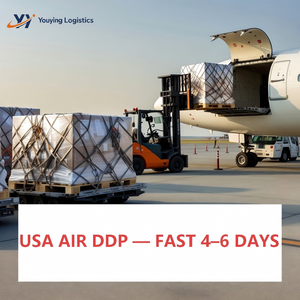
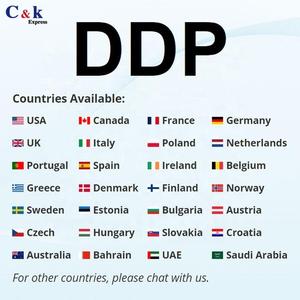
Historically, high-volume dropshippers relied on un-tracked postal networks. Today's procurement models favor Delivered Duty Paid (DDP) dedicated air freight lines and fast-vessel ocean express (e.g., Matson/ZIM expedited lanes). DDP routes pre-clear customs while goods are in transit, eliminating unexpected duty invoices for the end consumer and guaranteeing fixed landed costs for B2B importers.
Key Trend 2: Near-Port Hubbing and Airport Cross-Docking
Supply chain velocity relies on minimizing detention at terminal gates. Modern B2B logistics strategies utilize off-dock airport warehouses—such as Regent Logistics' ORD facility positioned 15 minutes from Chicago O'Hare—to execute immediate de-consolidation, automated sorting, and localized carrier injection (UPS, FedEx, USPS, LTL fleets).
Key Trend 3: Unified Omnichannel Inventory Control (FBA + FBM + B2B)
Relying solely on Amazon FBA creates inventory caps and severe storage surcharges during peak seasons. Leading e-commerce enterprises deploy a hybrid fulfillment strategy: maintaining bulk safety stock in non-Amazon 3PL facilities while utilizing fast-replenishment parcel dropshipping and Amazon FBM (Fulfillment by Merchant) to maintain constant buy-box presence.
4. Analytical Logistics Benchmark Matrix
Selecting the optimal transportation mode requires evaluating cost, transit speed, and risk factors. Below is an engineering comparison matrix for enterprise procurement planning:
| Shipping Mode | Avg. Transit Time | Cost Efficiency | Customs Risk Level | Ideal Product Category |
|---|---|---|---|---|
| Express Air Courier (DHL/UPS) | 2 - 4 Days | Premium Cost | Low (Automated Clearance) | High-Value Electronics, Medical Samples |
| Dedicated Air Freight DDP | 5 - 8 Days | Balanced / Optimal | Very Low (Pre-Cleared Manifest) | CE Consumer Goods, Amazon FBA Top-Sellers |
| Fast Boat Ocean LCL (Expedited) | 12 - 16 Days | High Economy | Medium (Requires Strict ISF Filing) | Mid-Sized Machinery, Bulk Consumer Electronics |
| Standard Ocean Freight FCL | 22 - 30 Days | Maximum Economy | Low (Containerized Security) | Heavy Industrial Equipment, Oversized B2B Cargo |
5. Institutional Capability & Enterprise Infrastructure: Regent Logistics
Founded in 2005, Regent Logistics Inc. operates as a premier international supply chain partner specializing in multi-modal transport, U.S. air export, ocean freight forwarding, and turnkey B2B fulfillment. Holding dual licensing as an FMC-licensed Non-Vessel Operating Common Carrier (NVOCC) and an accredited IATA cargo agent, Regent bridges Asia-Pacific manufacturing powerhouses with North American and European consumer hubs.
Global Logistics Network Integration
Through active leadership and membership in elite logistics alliances—including WCA World (World Cargo Alliance), PANCO Logistics Network, GLSN (Global Logistics Service Network), and FNC (Freight Network Certified)—Regent offers seamless handling in over 150 countries. This alliance framework enables absolute control over complex supply chains, including specialized dangerous goods transport, temperature-controlled cargo, and customized cross-docking projects.
Operational Advantages of the Chicago ORD Hub
Our flagship U.S. warehouse, situated at 345 Crossen Ave, Elk Grove Village, IL, acts as a pivotal node for Midwestern and nation-wide U.S. distribution:
- 15-Minute Transit to O'Hare (ORD): Instant cargo pickup from airline ULDs, eliminating airport storage fees and reducing domestic breakdown cycles.
- Real-Time Warehouse Management System (WMS): Fully integrated EDI/API connectors for real-time inventory visibility, automated order pick-and-pack, custom labeling, and direct-to-consumer dropshipping.
- Full Customs Clearance Compliance: Expertise in US Customs Importer Security Filing (ISF 10+2), Section 321 type 86 entries, continuous bond management, and duty drawback processing.
6. Comprehensive B2B Procurement FAQ
Addressing the core technical questions asked by enterprise supply chain directors, import managers, and e-commerce founders during vendor selection:
Optimize Your Global E-Commerce Supply Chain
Partner with a licensed, CE-compliant shipping solutions provider. Access direct airline rates, NVOCC ocean contracts, and U.S. airport warehousing within minutes.
Inquire Now