Featured FCL & LCL Container Freight Solutions
CE-certified maritime routing, NVOCC licensed ocean shipping, DDP inbound clearance, and Amazon FBA SPN verified freight forwarding networks.
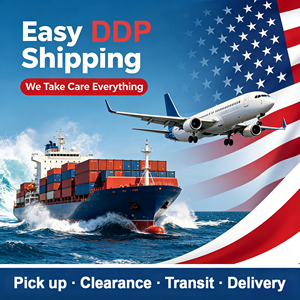
Cheapest Air Sea DDP LCL International Logistics Service Top 10 China to USA UK Canada Express Freight Forwarder Shipping Agent
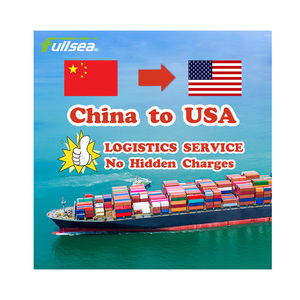
Shipping From China to Usa Germany Italy Sea Freight Forwarder Ddp Shipping Agent amazon Fba Logistics Used Shipping Containers
International LCL+Trucking Logistics Shipping Agent Door To Door Freight Forwarder China To AU/USA/EU/CA/ Sea Freight
DDP Container Freight Forwarder Logistics Services FCL Sea Cargo Shipping Agent for LCL+Express US Destinations 16-25 Days
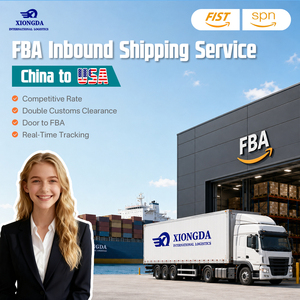
Amazon SPN Partner Fast FCL LCL Sea General Cargo From China To USA FBA Inbound Shipping Agent With Customs Clearance Service
Cheapest Sea Shipping FCL LCL Container Freight Forwarding 15-20 Days to USA
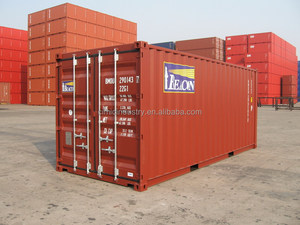
20ft Shipping Container Price Second Hand Containers Sea Shipping Containers At Each Port In China
Why Strategic Importers Partner with Regent Logistics Inc.
Established in 2005, Regent Logistics operates dual-headquarter NVOCC facilities across North America and Asia. Positioned strategically at 345 Crossen Ave, Elk Grove Village, IL 60007—just 15 minutes from Chicago O'Hare International Airport (ORD)—we eliminate inland bottlenecks through owned warehousing, automated cross-docking, and direct port drayage.
- Worldwide Network Affiliations: Accredited member of WCA World, PANCO, GLSN, FNC, and IATA networks.
- Omnichannel B2B Fulfillment: Real-time EDI/API inventory integration, drop-shipping, kitting, and Amazon SPN inbound handling.
- Full Customs Authorization: Direct US Customs Power of Attorney clearance, ISF 10+2 filing, and bonded carrier dispatch.
| Capability Milestone | Standard Forwarder | Regent Logistics Advantage |
|---|---|---|
| FMC Licensing | Broker Sub-Contractor | Direct NVOCC Bonded Issuer |
| Chicago Airport Hub | Off-site Subletting | 15 Min Dedicated Warehouse (ORD) |
| Customs Integration | 3rd Party Broker Relay | Internal ACE & ISF Automation |
| Tracking Visibility | Manual Status Updates | 24/7 Digital Portal Dashboard |
Engineering Regulatory Compliance & Structural Efficiency in Global FCL Logistics
In the contemporary international trade ecosystem, navigating transpacific and transatlantic ocean corridors requires more than just securing vessel slot allocations. Importers, brand manufacturers, and industrial procurement officers face mounting complexities regarding regulatory compliance, volatile freight indexes, container equipment availability, and environmental mandates. This comprehensive technical guide analyzes the critical operational mechanisms governing Full Container Load (FCL) shipping, CE certification alignment, and strategic freight forwarding frameworks.
1. The Regulatory Paradigm: CE Certification & Container Safety Mandates
A common misconception in global logistics is that CE certification applies solely to end-user retail commodities. In industrial procurement and intermodal shipping, CE conformity intersects directly with equipment specifications, machinery transport, and containerized payload integrity. Equipment manufactured or modified for transport within the European Economic Area (EEA)—including specialized tank containers, open-top units, and integrated industrial machinery—must comply with rigorous EU directives before entering maritime transit.
Regulatory Criticality: Non-compliant industrial payloads lacking verifiable Conformité Européenne (CE) documentation risk immediate customs impoundment at EU port terminals (e.g., Rotterdam, Hamburg, Genoa), leading to catastrophic demurrage fees, mandatory structural inspections, or forced re-exportation at the shipper's expense.
Furthermore, maritime compliance demands adherence to international safety protocols governed by the International Maritime Organization (IMO):
- SOLAS VGM (Verified Gross Mass): Mandates that every FCL container must have its gross mass verified via certified weighing equipment prior to vessel stowage planning. Regent Logistics integrates automated VGM transmission into origin drayage workflows.
- CSC Safety Approval Plates: All 20ft, 40ft, and 40ft High Cube containers utilized in FCL ocean transit must carry a valid International Convention for Safe Containers (CSC) plate, validating structural integrity under dynamic stacking loads.
- IMO Dangerous Goods (DG) Compliance: Classification, hazardous labeling, and material safety data sheet (MSDS) validation for specialized chemical, battery, or pressurized shipments.
2. Comparative Structural Matrix: FCL vs. LCL Cost Dynamics
Selecting between Full Container Load (FCL) and Less than Container Load (LCL) relies on dynamic volume tipping points, cargo sensitivity, and risk exposure profiles. Below is an engineering and financial breakdown for supply chain decision-makers:
| Operational Metric | Full Container Load (FCL) | Less than Container Load (LCL) |
|---|---|---|
| Volume Threshold | Optimal for > 15 CBM (20' Standard) or > 30 CBM (40' HQ) | Cost-effective for 1 CBM to 14 CBM payloads |
| Cargo Contamination Risk | Zero cross-contamination; exclusive container sealed at factory | Moderate; co-loaded with non-related commercial goods |
| Dwell Time at Port | Minimal; direct terminal gate-out upon customs release | Extended (+3 to +5 Days) for CFS devanning and sorting |
| Customs Hold Exposure | Individual container hold affects only your consignment | Consolidated hold: one co-loader’s error delays all cargo |
| Handling Stress | Loaded once at origin, unloaded once at destination depot | Multiple touches at Origin CFS, Transshipment, and Destination CFS |
3. Future Sourcing & Procurement Trends in FCL Ocean Freight
As global supply chains transition toward digital transparency and sustainability, enterprise procurement strategies are undergoing structural evolution. Industrial importers must align their logistics operations with several emerging macro-trends:
IMO 2030 / 2050 Green Corridors
Carriers are accelerating adoption of LNG, methanol, and ammonia-powered dual-fuel container vessels. Carbon intensity indicator (CII) scoring now directly impacts vessel speed, route availability, and green freight surcharges.
Index-Linked Contracting
Fixed annual contract rates are increasingly replaced by dynamic hybrid structures linked to spot benchmarks (XSI, SCFI). This prevents rollover risk during peak seasons while ensuring fair market pricing during downturns.
Smart Container Telematics
IoT-enabled FCL containers equipped with real-time GPS, temperature, humidity, and door-opening sensors provide end-to-end cargo visibility, mitigating cargo loss and simplifying insurance claims.
Importers that proactively leverage smart tracking, green routing, and NVOCC contract flexibility can secure guaranteed equipment placement during market dislocations while optimizing total cost of ownership (TCO).
4. Industry Technological Evolution: AI & Automated Customs Protocols
The modernization of ocean freight forwarding is driven by advanced software integration and automated regulatory clearance. The historical reliance on manual bill of lading (HBL/MBL) issuance and paper customs packet submission is rapidly being superseded by unified digital frameworks.
Key technological breakthroughs reshape the industry landscape:
- Electronic Bills of Lading (eBL): Standardized DCSA eBL implementation enables frictionless transfer of cargo title in seconds rather than days, eliminating physical courier costs and administrative delays at discharge ports.
- Automated Commercial Environment (ACE) Integration: Immediate data synchronization with US Customs and Border Protection (CBP), allowing Importer Security Filings (ISF 10+2) to be validated prior to vessel loading at origin ports such as Shenzhen, Ningbo, or Shanghai.
- Predictive ETA Machine Learning: Advanced algorithms process AIS satellite telemetry, weather patterns, port congestion indexes, and terminal turn-times to accurately predict container availability and optimize destination drayage scheduling.

End-to-End Container Logistics Engineering
How our integrated NVOCC infrastructure mitigates risk, accelerates transit, and controls total procurement expenditure.
Customs Compliance Assurance
Direct in-house filing for ISF 10+2, AMS, ACI, and DDP customs entries. We prevent costly port holds, customs penalties, and bonded storage charges.
Dedicated Drayage Fleet
Priority terminal pull and chassis provisioning at key US ports (LA/Long Beach, NY/NJ, Savannah, Seattle) and inland rail ramps (Chicago, Dallas, Atlanta).
E-Commerce & Amazon SPN Hub
Seamless FBA inbound consolidation, carton labeling, palletization, and direct appointment scheduling via our verified Amazon Service Provider Network credentials.
FCL Ocean Procurement FAQ
Detailed answers to critical technical questions regarding container freight, regulatory compliance, and cost optimization.
What is the specific role of CE certification in containerized freight importing?
CE (Conformité Européenne) certification confirms that products, machinery, or equipment conform to European safety, health, and environmental protection standards. In maritime freight, having certified documentation ready prior to port loading ensures seamless customs clearance in European destinations, preventing customs seizures, mandatory inspections, or transit delays.
How does an NVOCC license benefit an enterprise buyer compared to a standard freight broker?
An NVOCC (Non-Vessel Operating Common Carrier) is licensed by maritime authorities (such as the Federal Maritime Commission in the US) to issue its own House Bills of Lading (HBL). This allows NVOCCs to negotiate direct carrier service contracts, offer fixed rate stability, manage risk directly, and take legal liability for cargo transportation, whereas brokers merely act as intermediaries.
What is the deadline for submitting Importer Security Filing (ISF 10+2)?
ISF 10+2 must be transmitted to US Customs and Border Protection at least 24 hours BEFORE the container is loaded onto the vessel at the foreign port of origin. Failure to meet this requirement can result in automated $5,000 penalties per violation from CBP and mandatory holds upon arrival.
What is the difference between Demurrage and Detention charges in FCL shipping?
Demurrage refers to fees assessed when a full container remains inside the port terminal beyond the allowed free days. Detention applies to charges assessed when the importer picks up the container but fails to return the empty unit to the ocean line's depot within the agreed timeline.
What container sizes are available for FCL ocean shipments?
Standard options include 20ft GP (~33 CBM capacity, 28,000 kg max payload), 40ft GP (~67 CBM capacity), 40ft High Cube (~76 CBM capacity), and specialized 45ft HQ or Reefer units for temperature-controlled payloads.
How does DDP (Delivered Duty Paid) simplify international procurement?
Under DDP terms, the seller/forwarder assumes total financial and operational responsibility for the cargo from origin pick-up to final delivery. This includes ocean freight, origin charges, destination customs clearance, import tariffs, taxes, and final-mile drayage.
Why is Regent Logistics' proximity to Chicago O'Hare Airport (ORD) advantageous for ocean freight?
Our warehouse at 345 Crossen Ave in Elk Grove Village is a centralized midwestern cross-docking hub. It allows fast deconsolidation of ocean containers routed via inland rail (IPI) from West Coast ports, facilitating rapid re-distribution via road feeder networks within 15 minutes of major transport arteries.
What is SOLAS VGM and who is legally responsible for its declaration?
SOLAS (Safety of Life at Sea) Verified Gross Mass is the mandatory accurate weight calculation of a packed container. The Shipper named on the Ocean Bill of Lading is legally responsible for providing the signed VGM data to the carrier before port gate-in deadlines.
How are secondhand/used shipping containers verified for maritime trade?
Secondhand containers undergo rigorous inspection under IICL (Institute of International Container Lessors) or Cargo Worthy (CW) standards. Inspectors verify that the structural frame, corner castings, floor integrity, and door seals are wind-and-watertight (WWT) and structurally sound for marine vessel loading.
Can Regent Logistics handle specialized inbound freight for Amazon FBA warehouses?
Yes. As an authorized Amazon Service Provider Network (SPN) partner, Regent Logistics manages direct FCL/LCL ocean imports from origin ports to Amazon Fulfillment Centers, complete with FBA palletization, carton labeling, and Carrier Central appointment booking.
Request a Customized FCL Ocean Freight Architecture Plan
Speak directly with our licensed NVOCC freight specialists to secure contract rates, streamline customs clearance, and optimize your global logistics pipeline.