
Door to Door Ocean Freight FCL/LCL Forwarder Agent (Shenzhen to USA)
Full container load (FCL) and consolidated (LCL) drayage solutions with origin factory pickup and US port-to-door delivery.
Inquire Now




Explore our flagship freight forwarding, harbor drayage, and cross-border logistics services designed for high-density factory exports and enterprise supply chains.
Full container load (FCL) and consolidated (LCL) drayage solutions with origin factory pickup and US port-to-door delivery.
Inquire Now
Top 10 rated China-to-USA/UK/Canada express freight forwarder specializing in duty-paid drayage and rapid customs clearance.
Inquire Now
Specialized Amazon FBA inbound logistics, used shipping container handling, and seamless EU/US port drayage dispatch.
Inquire Now
Integrated ocean freight and long-haul intermodal drayage services connecting China factories with AU/USA/EU/CA buyers.
Inquire Now
Expedited vessel allocation paired with priority offload port drayage for time-sensitive commercial cargo across US inland destinations.
Inquire Now
Direct FBA warehouse appointments, ocean freight consolidation, and compliant customs clearance with dedicated chassis dispatch.
Inquire Now
Cost-optimized container shipping with guaranteed space allotment at major China ports (Shenzhen, Ningbo, Shanghai) to US West Coast.
Inquire Now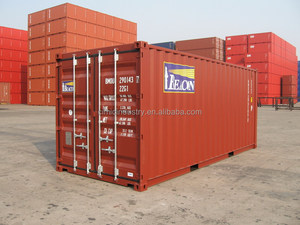
New and second-hand sea container sourcing at major China ports paired with heavy-duty tri-axle drayage trucking.
Inquire NowSince 2005, Regent Logistics Inc. has established an unbreakable operational link between manufacturing hubs in China and destination markets in North America and Europe. Operating as a licensed NVOCC and IATA forwarder, we eliminate supply chain bottlenecks through dedicated port drayage fleets, strategic warehousing, and digital visibility.
Direct contract rates with major ocean alliances (20M, OCEAN Alliance, THE Alliance) and direct airline allocations, giving your freight priority vessel space and tariff stability.
Our flagship Chicago facility (Elk Grove Village, IL) is strategically positioned 15 minutes from Chicago O'Hare International Airport (ORD), offering 24/7 rapid cross-docking, transloading, and domestic airport pickups.
Dedicated chassis pools and motor carrier networks across Shenzhen, Ningbo-Zhoushan, Shanghai, Qingdao, and Tianjin to ensure zero delay in container loading and port gate-in.
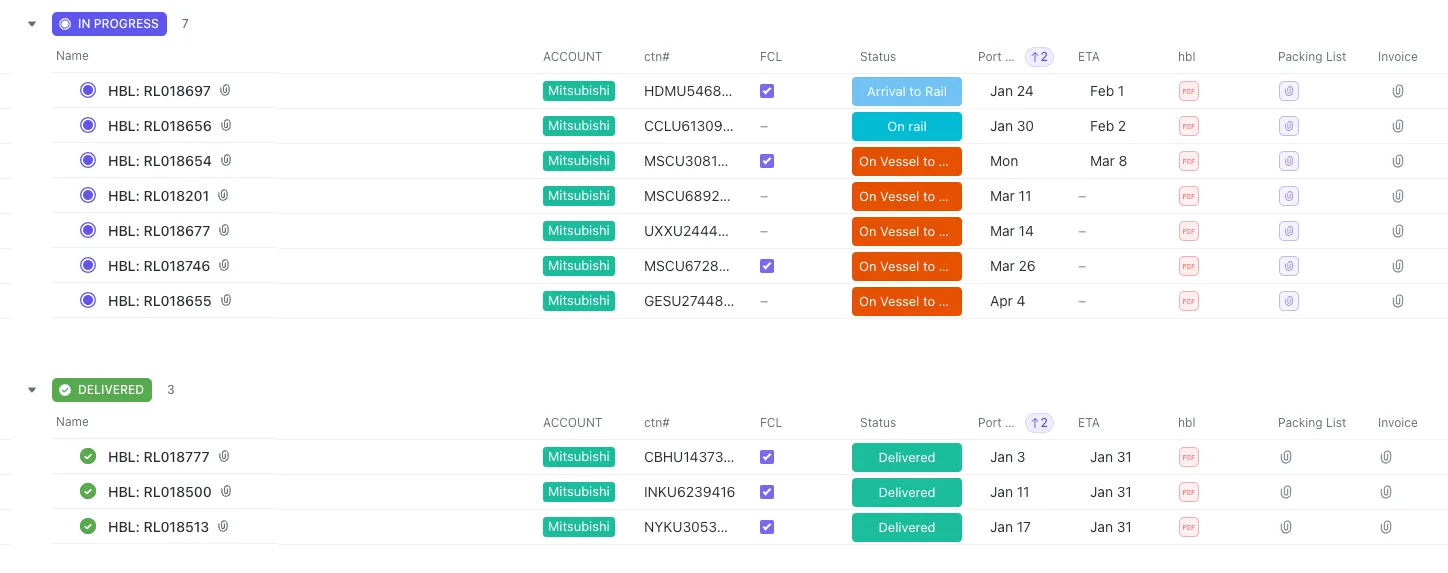
Eliminate black-box logistics. Our proprietary client portal grants full end-to-end visibility from the moment a truck dispatched from our China factory network picks up an empty container to final street turn and US warehouse delivery.
An in-depth analysis of first-mile drayage optimization, demurrage mitigation frameworks, intermodal haulage dynamics, and future procurement paradigms for high-volume B2B importers.
In global containerized trade, "drayage" refers to the short-haul transportation of freight from an ocean terminal, rail ramp, or inland container depot (ICD) to a nearby facility, warehouse, or factory. While drayage typically represents less than 10% of total transit distance in a China-to-US ocean supply chain, operational failures at the drayage stage account for over 75% of unexpected supply chain surcharges, including demurrage, detention, chassis split fees, and missed vessel cut-offs.
When sourcing goods from major industrial clusters in China—such as the Pearl River Delta (Shenzhen, Guangzhou, Dongguan), the Yangtze River Delta (Ningbo, Shanghai, Suzhou), or the Bohai Rim (Qingdao, Tianjin)—factory drayage serves as the foundational anchor of the entire export pipeline. A failure to secure empty containers, pre-pull chassis, or clear port gates before the Shipping Order (SO) closing time can trigger a cascading set of delays that jeopardize peak-season inventory rollouts.
Information Gain Insight: Advanced logistics providers do not treat drayage as a simple point-to-point trucking transaction. Instead, it is executed as a synchronized queuing system. By deploying dynamic fleet telemetry and automated slot-reservation algorithms at high-density ports (such as Yantian in Shenzhen or Meishan in Ningbo), first-mile drayage turn-times can be reduced by up to 38%.
To structure an optimal procurement strategy with China drayage factories and freight suppliers, logistics managers must differentiate between the six functional categories of drayage haulage:
Moving import/export containers directly between ocean marine terminals and off-dock staging yards or local warehouses.
Transporting containers from ocean ports to inland rail ramps (e.g., Chicago BNSF/UP ramps, Dallas, Atlanta) for long-haul rail transportation.
Moving loaded or empty containers between temporary overflow parking lots and primary marine terminals during congestion spikes.
End-to-end haulage starting from the China manufacturing line directly to final US customer loading docks or Amazon FBA fulfillment centers.
The financial health of cross-border container shipping hinges on precise container turnaround timing. Carriers and marine terminals enforce strict "Free Time" allowances before penalizing importers with prohibitive daily fines. Understanding these cost drivers is essential for risk mitigation:
| Fee Category | Trigger Condition | Typical Free Time | Average Daily Cost | Mitigation Strategy |
|---|---|---|---|---|
| Demurrage (Port) | Container remains inside ocean terminal past free days. | 4 to 7 Days (Port Dependent) | $150 - $450 / Day | Pre-clearing customs via ISF 10+2; scheduling immediate Pier Pass drayage pickup. |
| Detention (Equipment) | Empty container not returned to carrier port/yard after un-stuffing. | 5 to 10 Days | $125 - $300 / Day | Executing rapid street turns; utilizing dual-destination chassis repositioning fleets. |
| Rail Storage | Container held at inland rail ramp (e.g., Chicago, Memphis) past dwell window. | 24 to 48 Hours | $200 - $600 / Day | Deploying local drayage trucks with pre-assigned rail slot appointments immediately upon grounding. |
| Chassis Split | Driver must travel to a secondary yard to retrieve an available chassis frame. | N/A (Per Event) | $100 - $250 Flat Fee | Maintaining dedicated private tri-axle/heavy-haul chassis fleets at key hub terminals. |
At Regent Logistics, our licensed NVOCC infrastructure integrates automated free-time tracking. When containers land at key gateways such as Los Angeles/Long Beach, NY/NJ, or Chicago ORD, our system tracks container grounding status in real-time, instantly dispatching local drayage drivers to prevent financial penalties.
Choosing the correct Incoterm dictates which entity controls the first-mile China drayage and last-mile US intermodal delivery. The structural matrix below highlights the risk profile for procurement officers:
| Incoterm | China Factory Drayage Control | US Port Drayage Liability | Customs & Duty Handling | Operational Risk Level for Buyer |
|---|---|---|---|---|
| FOB (Free on Board) | Managed by China Factory | Managed by Buyer's US Forwarder | Buyer handles US Import | Moderate (Requires robust destination forwarder coordination) |
| DAP (Delivered at Place) | Managed by Seller Forwarder | Managed by Seller Forwarder | Buyer handles US Import | Low (Seller controls logistics until dock arrival) |
| DDP (Delivered Duty Paid) | Managed by Seller / Forwarder | Managed by Seller / Forwarder | Forwarder handles end-to-end Duties & Compliance | Lowest (Turnkey, single-invoice logistics structure) |
As global supply chains navigate regulatory shifts, geopolitical realignment, and technological disruption, four decisive trends are reshaping container drayage procurement:
Environmental regulations at major port complexes—such as the Port of Los Angeles Clean Air Action Plan (CAAP) and European Green Deal directives—are mandating the transition from diesel-powered tractors to Class 8 Battery-Electric (BEV) and Hydrogen Fuel Cell (FCEV) trucks. High-volume buyers are actively prioritizing China drayage suppliers that offer verified carbon-offset tracking and zero-emission first-mile transport to align with ESG corporate mandates.
Chassis shortages have historically caused severe port gridlock. Next-generation drayage networks utilize IoT GPS-tracked smart chassis equipped with weight sensors and tire-pressure monitoring systems. This real-time telemetry allows forwarders to execute "street turns"—reusing an empty container for an outbound export pick-up immediately without returning it to a congested port container yard.
Automated Optical Character Recognition (OCR) gates and AI dispatching algorithms are revolutionizing port staging. Drivers no longer spend hours in idle queues; system algorithms analyze terminal congestion levels, weather patterns, and vessel discharge schedules to assign optimal gate-in time slots, drastically improving daily turn capacity.
To avoid over-reliance on single port bottlenecks, enterprise buyers are diversifying shipping routes across alternative gateways (e.g., US Gulf Coast, East Coast ports, and Mexico transshipment hubs). This shift requires logistics partners with multi-port drayage coverage capable of orchestrating transloading and cross-docking operations at short notice.
Port drayage does not end when the container leaves the terminal. For modern omnichannel retail brands, seamless container drayage must immediately connect with airport-adjacent warehousing and automated fulfillment centers.
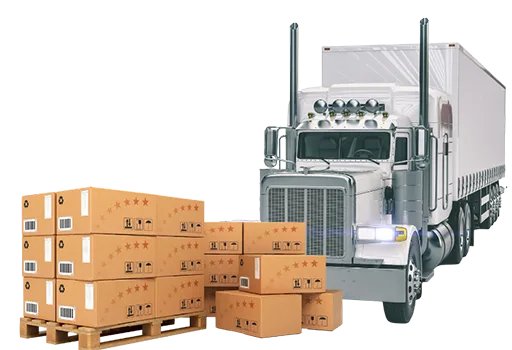
Regent Logistics operates a modern, high-security warehousing hub in Elk Grove Village, IL—just 15 minutes from Chicago O'Hare International Airport (ORD). This facility serves as a vital cross-docking junction where drayage trucks un-stuff ocean containers for immediate B2B retail distribution, pallet kitting, and Amazon FBA inbound preparation.
Answers to essential questions regarding container drayage, customs compliance, and supply chain procurement from China factories to global destinations.