
Featured Freight & Equipment Solutions
Explore our vetted international shipping services, FCL/LCL door-to-door forwarding, and heavy ocean transport capabilities connecting China ports to worldwide destinations.
Door to Door Ocean Sea Freight FCL LCL Container Shipping Forwarder Agent From Shenzhen China to USA
Cheapest Air Sea DDP LCL International Logistics Service Top 10 China to USA UK Canada Express Freight Forwarder Shipping Agent
Shipping From China to Usa Germany Italy Sea Freight Forwarder Ddp Shipping Agent Amazon FBA Logistics Used Containers
International LCL+Trucking Logistics Shipping Agent Door To Door Freight Forwarder China To AU/USA/EU/CA/ Sea Freight
DDP Container Freight Forwarder Logistics Services FCL Sea Cargo Shipping Agent for LCL+Express US Destinations 16-25 Days
Amazon SPN Partner Fast FCL LCL Sea General Cargo From China To USA FBA Inbound Shipping Agent With Customs Clearance
Cheapest Sea Shipping FCL LCL Container Freight Forwarding 15-20 Days Express Cargo to USA
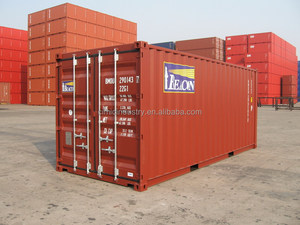
20ft Shipping Container Price Second Hand Containers Sea Shipping Containers At Each Main Port In China
Strategic Guide to China Breakbulk Shipping & Heavy-Lift Freight Forwarding
As global industrialization expands and EPC (Engineering, Procurement, and Construction) projects scale across North America, Europe, the Middle East, and Southeast Asia, the demand for breakbulk shipping from China factories and exporters has reached unprecedented structural importance. Unlike standard ISO containerized cargo, breakbulk logistics involves the transport of non-containerized, heavy-lift, and Out-of-Gauge (OOG) commodities—such as wind turbine blades, refinery columns, power transformers, heavy mining equipment, and pre-fabricated steel structures.
Navigating the complex ecosystem of Chinese manufacturing hubs (ranging from the Yangtze River Delta to the Pearl River Delta) requires more than standard booking agency services. It demands rigorous engineering oversight, precise stowage factor calculation, charter party management (Gencon forms), specialized lashing and securing protocols adhering to IMO/SOLAS standards, and seamless multimodal drayage.
Engineering Matrix: Breakbulk vs. Special Containers vs. Ro-Ro Logistics
Global procurement teams sourcing heavy machinery and structural components from top Chinese factories must evaluate vessel suitability based on technical payload parameters, port crane capabilities, and transshipment constraints.
| Transport Mode | Optimal Cargo Specification | Handling Gear Equipment | China Port Readiness | Risk & Lashing Profile |
|---|---|---|---|---|
| Breakbulk Vessels (MPVs) | Unpackaged heavy machinery, power grids, steel pipes (>50 MT) | Ship's Gear (Heavy-lift derrick cranes up to 350t-700t tandem) | Shanghai (Zhanghuabang), Tianjin, Qingdao, Guangzhou (Huangpu) | Requires custom Lashing Plan & Surveyor Certification |
| Flat Rack (FR) Containers | Over-width / Over-height machinery under 45 MT | Gantry Cranes, Reach Stackers, Heavy Forklifts | All major container terminals (Shenzhen, Ningbo, Ningbo-Zhoushan) | Standard ISO lashing points; susceptible to weather exposure |
| Ro-Ro (Roll-on/Roll-off) | Wheeled construction vehicles, trucks, self-propelled machinery | Ramp Access (MAFI trailers for static heavy cargo) | Taicang, Lianyungang, Shanghai Haitong Terminal | Lowest physical damage risk; fully enclosed deck protection |
| Open Top (OT) Containers | Over-height equipment loads loaded from top | Overhead bridge cranes, Gantry Cranes | Universal container port availability in China | Tarpaulin sealed; limited strictly by ISO width/length constraints |
Key Engineering Parameters for Breakbulk Heavy Lift Chartering
When chartering space on breakbulk vessels from Chinese manufacturing hubs, project forwarders must review four critical technical variables:
Stowage Factor & Deck Load Density
Breakbulk cargo requires precise structural calculations to avoid exceeding hold tanktop strength limits (t/m²). Heavy machinery often requires timber dunnage spreading beams to distribute point loads across vessel framing.
Center of Gravity (CoG) & Lifting Points
Improperly identified CoG during crane hook attachment causes fatal tilt. Certified lifting lugs and explicit marking by Chinese factories are mandatory under IMO cargo handling guidelines.
Marine Cargo Insurance & Surveying
Pre-shipment inspection (PSI) by accredited marine surveyors (e.g., SGS, DNV-GL) ensures cargo condition is recorded prior to loading, mitigating damage liability disputes between shipper and ocean carrier.
Regent Logistics Inc. — Enterprise Breakbulk & Omnichannel Superiority
Founded in 2005, Regent Logistics Inc. operates as a licensed NVOCC and accredited IATA freight forwarder with dual headquarters in Chicago, USA, and major port hubs across mainland China. Combining ocean chartering expertise with an expansive domestic US fulfillment ecosystem, we bridge the gap between Chinese heavy-equipment exporters and North American end-users.






Future Procurement & Macro Shipping Trends (2025–2030)
The global breakbulk and project cargo market is undergoing rapid evolution driven by energy transition initiatives, supply chain regionalization, and digital marine engineering. Procurement managers sourcing from Chinese factories must align their logistics strategy with these macro trends:
1. Shift Toward Modular Manufacturing (Modular EPC)
Chinese OEMs are increasingly assembling multi-ton super-modules (e.g., LNG processing skids, modular data centers) directly at portside facilities (such as Nantong and Zhangjiagang). This shifts freight demand from standard containers to specialized heavy-lift MPVs with dual cranes exceeding 700t lift capacity.
2. IMO Decarbonization & CII Ratings
The International Maritime Organization's Carbon Intensity Indicator (CII) regulations are forcing older breakbulk vessels into speed reduction or decommissioning. Procurement managers must lock in long-term charter agreements with modern, low-emission dual-fuel vessels to avoid sudden capacity shortages and carbon surcharges.
3. Digital Stowage & 3D Simulation Software
Modern project freight forwarders utilize CAD-based 3D stowage planning tools (such as Auto-CAD Marine and ANSYS structural simulation) to model crane sway, deck stress, and lashing strain prior to vessel arrival, reducing port stay times by over 30%.
Step-by-Step Execution Guide for Importing Breakbulk Cargo from China
Executing a successful breakbulk shipment from a Chinese manufacturing facility to a US or European destination requires systematic coordination across multiple engineering and regulatory checkpoints:
-
Stage 1: Pre-Bidding Technical Audit & Route Inspection
Conduct physical road surveys from the Chinese factory gates to the loading port. Verify bridge clearance, road weight tolerances, and high-voltage power line heights for heavy hydraulic axle trailers (SPMTs). -
Stage 2: Charter Party Agreement (C/P) Execution
Negotiate key charter party clauses (such as Laytime, Demurrage rates, Hook-to-Hook vs. Free In/Out Stowed (FIOS) terms). Ensure clarity on which party carries cargo securing costs. -
Stage 3: Port Operations & Rigging Oversight
Position a certified MBL/Marine Surveyor at the berth (e.g., Shanghai Port or Tianjin Port) to inspect vessel hold cleanliness, verify dunnage quality, and supervise tandem crane lifting operations. -
Stage 4: Lashing & Securing According to IMO CSS Code
Apply high-tensile lashing chains, turnbuckles, and welded stopper plates to vessel decks. Obtain a signed Marine Lashing Certificate prior to vessel departure. -
Stage 5: US Customs Entry & Destination Offloading
Coordinate 10+2 ISF filing at least 24 hours prior to loading at origin. Arrange specialized heavy-haul trucks (RGN lowboy trailers) and escorts for final mile delivery in the USA.
China Breakbulk & Heavy Lift Logistics FAQ
Essential answers for procurement directors, project cargo managers, and international trade specialists sourcing heavy industrial equipment from China.
Optimize Your Breakbulk & Project Logistics Supply Chain
Consult with Regent Logistics' senior engineering team for tailored ocean chartering rates, 3D stowage planning, and seamless US door-delivery solutions.
Get a Quote