
Core Logistics & Asset Recovery Solutions
Seamlessly integrating forward ocean/air consolidation with high-volume reverse logistics workflows, customs compliance, and bonded warehouse processing.
Door to Door Ocean Freight FCL/LCL Container Forwarding
Multi-Modal Air/Sea DDP Express Reverse Freight Forwarding
Amazon FBA Inbound & Reverse Goods Container Shipping
LCL Ocean Freight & Drayage Intermodal Reverse Network
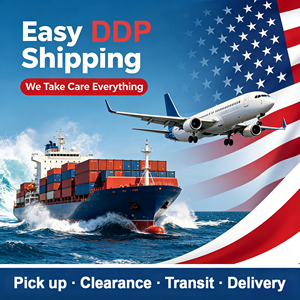
DDP Sea Cargo Consolidation & Fast Return Transit
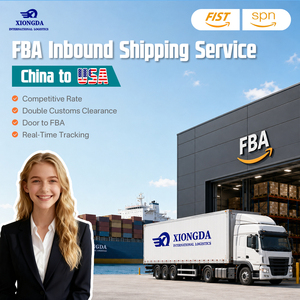
Amazon SPN Partner Certified Reverse & Inbound Shipping
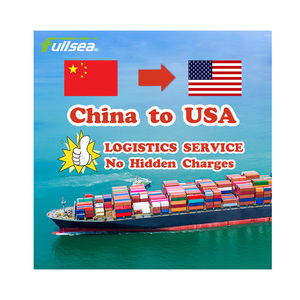
High-Efficiency FCL/LCL Direct Sea Freight Return Channels
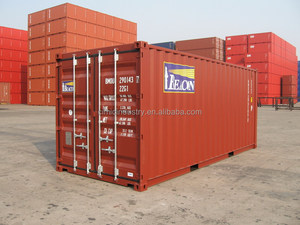
Standardized SOC Sea Containers & Return Storage Units
Transpacific Reverse Logistics: Operational Mechanics & Asset Value Optimization
In modern cross-border trade, reverse logistics is no longer merely an operational expense—it is a critical value driver directly impacting gross margins, inventory turnover, and brand reputation. With global e-commerce return rates hovering between 16.5% and 30% across industrial equipment, consumer electronics, and high-value consumer goods, establishing a streamlined, compliant Return Merchandise Authorization (RMA) framework between China and Western markets is imperative for enterprise longevity.
Understanding the Anatomy of Transpacific Reverse Logistics Friction
Managing returns from overseas destinations (such as North America, Europe, and Australia) back to China suppliers presents severe regulatory, fiscal, and logistical complexities. Key challenges include:
China Customs Duty & Re-Entry Barriers
Direct re-importation of returned goods into China frequently triggers heavy import duties and VAT unless strictly processed under specialized customs regimes such as Repair & Maintenance (Code 1300) or through Comprehensive Bonded Zones (CBZ).
Disproportionate Freight & Storage Costs
Reverse freight tariffs on individual or LCL shipments can swiftly erode asset value. Without localized consolidation hubs near major Western transit hubs (e.g., ORD Chicago airport), freight-to-value ratios become unviable.
Lack of Technical Inspection Standards
Returning uninspected stock directly to China factories wastes transpacific cargo capacity. A crucial step involves local US/EU triage: Grade-A repackaging, Grade-B refurbishing, or local liquidation.
Future Procurement & Sourcing Trends in Reverse Supply Chains
How industry leaders are shifting from reactive return handling to proactive, tech-driven circular logistics networks.
1. Dual-Hub Architecture (Near-Market Triage + China Bonded Processing)
Global buyers are abandoning direct factory returns. Modern procurement strategies utilize overseas logistics hubs (e.g., Regent Logistics’ ORD facility in Elk Grove Village, IL) to perform immediate product grading, testing, and relabeling. Only goods requiring factory-level overhaul are consolidated into full ocean containers (FCL) for shipment to China Bonded Logistics Parks (BLP), bypassing domestic import tariffs entirely.
2. Duty Drawback & Regulatory Compliance Integration
Under 19 U.S.C. § 1313, enterprise importers can recover up to 99% of duties, taxes, and fees paid on imported merchandise that is subsequently exported or destroyed. Future-proof procurement mandates forwarders who seamlessly connect ISF 10+2 filings, Bill of Lading documentation, and export manifests to streamline duty drawback claims.
| Return Strategy | Primary Processing Location | Customs Tariff Impact | Avg. Turnaround Time | Best Suited For |
|---|---|---|---|---|
| Local Refurbish & Relabel | US Airport Hub (ORD / LAX) | Zero Additional Duties | 24 - 48 Hours | Grade-A Open Box & Packaging Damage |
| China Bonded Repair (CBZ) | Shenzhen / Ningbo Bonded Zone | Duty Deferred / Exempted | 12 - 18 Days | Defective Electronics & High-Value Machinery |
| Duty Drawback Liquidation | Secondary Domestic Market | Up to 99% Duty Recovered | 5 - 10 Days | End-of-Life Goods & Non-Restorable Items |
| Factory Direct Re-Import | China Inland Manufacturing Facility | Subject to Code 1300 Bond Clearance | 25 - 35 Days | Heavy Industrial Components & Custom Assemblies |
Frequently Asked Questions: Reverse Logistics Procurement
Expert answers to common operational, regulatory, and fiscal questions in transpacific return supply chains.
What documentation is required to return defective goods back to China without paying duties?
To avoid domestic China import duties, shipments should be processed under Customs Repair & Maintenance (Code 1300) or directed into a Comprehensive Bonded Zone (CBZ). Required documents include the original Commercial Invoice, Export Customs Declaration, Repair Agreement between buyer and seller, and a formal Inspection Certificate proving the defect.
How does Regent Logistics manage RMA processing near US airports?
Our ORD warehouse facility (15 mins from Chicago O’Hare) receives returned inventory directly from US carrier networks. Our team performs barcode scanning, visual and functional inspections, grade categorizations (Grade A/B/C), re-boxing, and palletization for local re-fulfillment or bulk ocean consolidation back to Asia.
What is the typical transit time for ocean freight reverse consolidation?
Standard ocean return shipping from US West Coast ports to Shenzhen/Shanghai takes 15–20 days. Fast vessel options or LCL express consolidation to inland Chinese hubs typically range from 16 to 25 days door-to-door, including customs clearance.
How can enterprise buyers leverage US Duty Drawback on returned inventory?
If imported goods are exported back to China or destroyed under US Customs supervision, importers can file for duty drawback under 19 U.S.C. § 1313. Regent Logistics assists in pairing entry summaries (CBP Form 7501) with export bills of lading to maximize eligible refunds.
Can Regent Logistics handle FBA removal orders and Amazon returns?
Yes. As an Amazon SPN (Service Provider Network) partner, we manage direct removal orders from Amazon Fulfillment Centers across North America, transport inventory to our warehousing hubs, conduct quality checks, and re-label for secondary sales channels.
What is the cost structure difference between FCL and LCL reverse freight?
FCL (Full Container Load) provides the lowest per-unit cost when consolidating bulk returns above 20 CBM. LCL (Less than Container Load) is optimal for high-value items requiring swift RTV action without waiting to fill a 20ft or 40ft container.
Optimize Your Cross-Border Reverse Logistics Supply Chain Today
Partner with licensed FMC NVOCC and IATA experts. Minimize tariffs, streamline RMA workflows, and unlock asset value across North America, Europe, and China.