
Top Recommended Cold Chain & Global Shipping Products
Explore our flagship cold-chain-capable container options, expedited air cargo, and door-to-door ocean freight solutions tailored for perishables, pharmaceuticals, and temperature-sensitive commodities.
Door to Door Ocean Sea Freight FCL LCL Container Shipping Agent
- Origin: Shenzhen / Ningbo / Shanghai to USA
- Temp Control Range: -30°C to +30°C
- Full Customs Clearance & DDP Trucking
Cheapest Air Sea DDP LCL International Logistics Express Service
- Destinations: USA, UK, EU, Canada
- Real-Time Telemetry & GPS Tracking
- Integrated Duty & Tax Pre-Clearance
China to USA, Germany & Italy DDP Sea Freight Reefer Forwarder
- Direct Carrier Contracts & Space Guarantee
- Active Atmosphere & Humidity Control
- Amazon FBA & Cold Storage Prep
International LCL + Refrigerated Trucking Door-to-Door Service
- Coverage: AU, USA, EU, Canada
- Dedicated Cold Chain Fleet Pickup
- End-to-End GDP Compliant Logs
DDP Container Freight Forwarder FCL/LCL Sea Cargo (16-25 Days)
- Fast Express Lanes to US West/East Coast
- Smart Genset Power Reserve Units
- Priority Customs Terminal Discharge
Amazon SPN Partner Fast Cold Chain FCL/LCL Sea Cargo to USA FBA
- Certified Amazon SPN Network Logistics
- Seamless Customs Duty Clearance
- Temperature-Controlled Docking Hubs
Direct Sea Shipping FCL/LCL Container Freight (15-20 Days to USA)
- High-Volume Exporter Freight Savings
- Controlled Atmosphere Cold Storage
- ISF & AMS Automated Filing
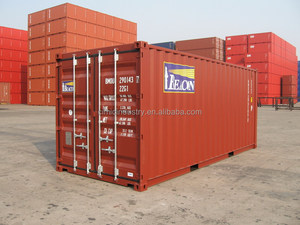
20ft / 40ft Reefer & Standard Sea Cargo Containers at All China Ports
- Grade-A Certified Temperature Units
- Container Leasing, Procurement & Sales
- Available at Qingdao, Shanghai, Shenzhen
Global Cold Chain Logistics Landscape: A Strategic Procurement Whitepaper
The global cold chain logistics ecosystem has entered an era of unprecedented technological transformation and regulatory complexity. As multinational pharmaceutical producers, perishable food exporters, and high-value chemical manufacturers expand their international distribution footprints, selecting top-tier cold chain shipping exporters and freight forwarders has transcended simple transportation procurement—it is now a fundamental pillar of corporate risk management and operational compliance.
Information Gain Executive Insight: Modern cold chain integrity requires moving from reactive temperature logging to real-time predictive telemetry, active atmosphere reefer technology, and integrated NVOCC/IATA compliance frameworks. Maintaining thermal stability across multi-modal transshipment points is the primary driver of cargo valuation preservation.
1. Critical Evaluation Criteria for Top 10 Cold Chain Logistics Exporters
When enterprise supply chain directors evaluate global cold chain exporters and freight forwarding partners, five core operational competencies dictate long-term partner viability:
A. Active vs. Passive Thermal Protection Capabilities: Leading exporters must offer both active refrigeration solutions (compressor-driven refrigerated containers with dedicated continuous genset power) and passive thermal packaging solutions (phase change materials, vacuum insulation panels, and cryogenic dry ice shipper boxes) optimized for specific air and ocean transit durations.
B. Regulatory GDP & FSMA Compliance Governance: For pharmaceutical cargo, adherence to Good Distribution Practice (GDP) guidelines is mandatory. For food products, compliance with the FDA Food Safety Modernization Act (FSMA) rule on Sanitary Transportation of Human and Animal Food mandates strict sanitation, pre-cooling verification, and uninterrupted temperature documentation.
C. Real-Time Telemetry and IoT Sensor Integration: Leading cold chain forwarders utilize dual-sensor cellular/satellite telemetry devices inside reefers. These IoT trackers stream live continuous data regarding internal air temperature, core product temperature, relative humidity, door-opening alerts, GPS position, and shock/vibration metrics directly to a centralized tracking portal.
D. Port Dwell Time & Plug-in Risk Mitigation: Port congestion presents the single greatest threat to ocean reefer integrity. Top exporters maintain priority carrier contracts ensuring uninterrupted access to reefer plug-in stations at maritime terminals and immediate drayage dispatch upon container discharge.
2. Technical Comparison Matrix: Cold Chain Logistics Shipping Technologies
Understanding the operational boundaries and cost-to-risk ratios of different cold chain shipping technologies is vital for supply chain optimization:
| Logistics Shipping Mode | Target Temperature Setpoints | Thermal Duration Capability | Ideal Commodity Category | Risk Mitigation Level |
|---|---|---|---|---|
| Active ISO Reefer Containers (Ocean FCL) | -35°C to +30°C (±0.2°C Precision) | Unlimited (Continuous Genset / Plug-in) | Frozen Seafood, Meat, Fresh Produce, Bulk Biopharma | Maximum (Controlled Atmosphere + Telemetry) |
| Envirotainer & Active Air Cargo ULDs | +2°C to +8°C / +15°C to +25°C | 72 to 120 Hours (Battery/Compressor Driven) | High-Value Vaccines, Biologics, Clinical Trial Materials | Ultra-High (Certified Air Freight Logistics) |
| Passive PCM Packaging (LCL / Air Cargo) | Deep Frozen (-20°C) to Ambient (+15°C) | 48 to 96 Hours Thermal Hold Time | Reagents, Specialty Foods, Diagnostic Samples | High (Requires Strict Transit Time Assurance) |
| Cryogenic Dry Ice Shippers | -80°C to -20°C (Ultra-Cold Chain) | 120+ Hours (Replenishable Media) | Cell & Gene Therapies, mRNA Vaccines, Enzyems | Critical (Specialized IATA Hazardous Handling) |
3. Future Procurement & Technological Trends in Cold Chain Logistics (2026–2030)
The global cold chain sector is experiencing rapid evolution driven by environmental mandates and digital innovations:
Decarbonization & Eco-Refrigerants: Regulatory shifts toward lowering Global Warming Potential (GWP) have accelerated the phase-out of traditional hydrofluorocarbon (HFC) refrigerants in reefer units. Top exporters are transitioning fleets to natural refrigerants such as CO2 (R-744) and eco-friendly blends, dramatically reducing carbon intensity during transatlantic and transpacific ocean voyages.
Predictive AI Cold Chain Routing: Advanced forwarders are deploying machine-learning algorithms to assess real-time weather alerts, port congestion indices, and vessel schedule reliability. By dynamically recalculating multimodal routes, exporters can prevent thermal spikes caused by unexpected port dwell delays.
Autonomous Genset Monitoring: Smart diesel generators (gensets) equipped with automatic start-stop sensors ensure continuous power supply during long-distance intermodal rail and trucking legs, virtually eliminating human error in temperature preservation.
Why Partner with Regent Logistics for Cold Chain Exporter Services?
Founded in 2005, Regent Logistics Inc. is a licensed NVOCC operator and accredited IATA freight forwarder with dual strategic headquarters in the United States and China. Positioned just 15 minutes from Chicago O'Hare International Airport (ORD), our specialized temperature-controlled facility provides seamless air export, ocean consolidation, and B2B fulfillment services.
- Dual NVOCC & IATA Licensing: Direct contract rates with premier ocean carriers and major international airlines.
- Prime ORD Airport Hub Access: Rapid cross-docking, TSA-certified screening, and 15-minute emergency airport delivery.
- Transparent Real-Time Dashboard: Proprietary 24/7 client portal for continuous shipment visibility and milestone alerts.
- Global WCA & PANCO Network: Reliable door-to-door execution across more than 150 countries worldwide.

Frequently Asked Questions in Cold Chain Logistics Shipping
Expert answers to common operational, technical, and regulatory questions encountered during cold chain freight procurement.
1 What is the difference between active and passive cold chain shipping?
Active cold chain shipping uses electrical or diesel-powered mechanical refrigeration systems (such as reefer ocean containers or active air cargo containers) to actively cool the cargo throughout transit. Passive shipping relies on insulated thermal packaging, phase change materials (PCMs), or dry ice to maintain temperature for a finite hold time (typically 24 to 120 hours) without external power.
2 How do exporters prevent temperature deviations during ocean port dwell time?
Top cold chain exporters mitigate port dwell risk by booking under priority carrier contracts that guarantee dedicated reefer plug-in slots at marine terminals, utilizing clip-on generator sets (gensets) during drayage trucking, and deploying real-time IoT sensors that alert dispatchers immediately if power is interrupted.
3 What regulatory standards govern international pharmaceutical cold chain shipping?
Pharmaceutical shipping is strictly governed by Good Distribution Practice (GDP) standards, WHO guidelines, and FDA regulations. These standards require continuous temperature logging, validated thermal packaging, audited transport vehicles, and complete traceability throughout the supply chain.
4 What is pre-cooling, and why is it essential for reefer shipping?
Pre-cooling is the process of bringing both the container unit and the cargo down to the specified setpoint temperature prior to loading. Loading warm cargo into a reefer container can overload the refrigeration unit, leading to internal condensation, surface freezing, or cargo spoilage.
5 How does ISF Filing affect cold chain ocean freight importing into the US?
Importer Security Filing (ISF 10+2) must be submitted to U.S. Customs and Border Protection at least 24 hours prior to cargo loading at the foreign port. Inaccurate or delayed ISF filings can result in customs holds at U.S. ports, causing critical delays and increasing the risk of reefer power loss or demurrage fees.
6 Can cold chain logistics accommodate LCL (Less than Container Load) shipments?
Yes. Specialized cold chain forwarders offer consolidated LCL reefer services by utilizing passive thermal shippers, insulated cargo blankets, or multi-compartment refrigerated vehicles to safely combine smaller temp-controlled shipments while maintaining product integrity.
Ready to Optimize Your Global Cold Chain Logistics?
Consult with our senior logistics architects to obtain customized reefer container quotes, active air freight schedules, and full GDP compliance solutions tailored to your enterprise supply chain.