
Top-Rated Global Freight Solutions & Logistics Operations
Explore optimized ocean, air, and multimodal logistics products engineered for maximum cost efficiency, cargo safety, and regulatory compliance.
Door to Door Ocean Sea Freight FCL LCL Container Shipping Forwarder Agent From Shenzhen China to USA
Cheapest Air Sea DDP LCL International Logistics Service Top 10 China to USA UK Canada Express Freight Forwarder Shipping Agent
Shipping From China to Usa Germany Italy Sea Freight Forwarder Ddp Shipping Agent amazon Fba Logistics Used Shipping Containers
International LCL+Trucking Logistics Shipping Agent Door To Door Freight Forwarder China To AU/USA/EU/CA/ Sea Freight
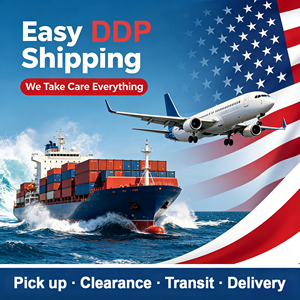
DDP Container Freight Forwarder Logistics Services FCL Sea Cargo Shipping Agent for LCL+Express US Destinations 16-25 Days
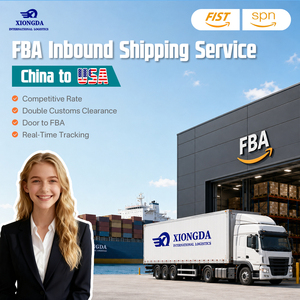
Amazon SPN Partner Fast FCL LCL Sea General Cargo From China To USA FBA Inbound Shipping Agent With Customs Clearance Service
Cheapest Sea Shipping FCL LCL Container Freight Forwarding 15-20 Days to USA
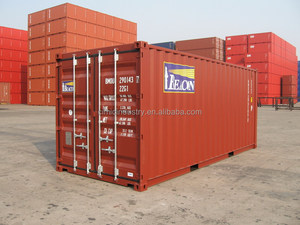
20ft Shipping Container Price Second Hand Containers Sea Shipping Containers At Each Port In China
1. Executive Summary: The Economics of Freight Cost Optimization
In modern enterprise supply chain operations, shipping fees are no longer treated as fixed operational overhead. Instead, freight cost optimization represents a high-leverage strategic lever that directly dictates gross margins, inventory velocity, and market competitiveness. Global supply chains face unprecedented volatility—from fluctuating ocean container spot rates and fuel surcharges to regulatory shifts, geopolitical rerouting, and capacity crunches at major ports.
To achieve sustainable cost reductions without compromising delivery speed or service reliability, international procurement teams must move away from transactional booking models toward integrated, data-driven freight forwarding architecture. Achieving a true reduction in total landed costs requires optimizing every leg of the cargo journey: first-mile pickup, drayage efficiency, consolidation ratios (FCL vs. LCL), volumetric weight management, tariff engineering, and final-mile distribution.
Strategic Key Takeaway: The Total Landed Cost Equation
Freight optimization is not simply securing the lowest ocean freight container rate. It is the systemic calculation of Total Landed Cost = Ex-Works Product Price + Freight (Air/Sea) + Duties & Tariffs + Port Handling/Drayage + Demurrage/Detention Risk + Warehousing/Fulfillment Overhead. Minimizing this aggregate sum requires working with licensed FMC NVOCC forwarders who control physical warehouse assets near key logistics gateways.
Consolidation Dynamics
Maximizing container cubic capacity (CBM utilization) through LCL buyer's consolidation reduces per-unit shipping fees by up to 28% compared to direct single-supplier shipments.
Automated Customs Pre-Clearance
Filing ISF 10+2 documentation and automated entry 72 hours prior to vessel arrival eliminates costly terminal storage fees, demurrage penalties, and US Customs hold delays.
Strategic Hub Proximity
Utilizing strategically positioned warehouse infrastructure—such as facilities located within 15 minutes of Chicago O'Hare (ORD)—drastically cuts domestic cross-docking and drayage transit expenses.
2. Corporate Authority & Proven Supply Chain Infrastructure
Founded in 2005, Regent Logistics Inc. has established itself as an authoritative, licensed NVOCC (Non-Vessel Operating Common Carrier) and accredited IATA freight forwarder. With dual operational headquarters spanning both the United States and strategic Asia-Pacific logistics hubs in China, Regent Logistics delivers end-to-end transparency, regulatory precision, and optimized freight tariff structures for industrial manufacturers, e-commerce brands, and global distributors.
Unlike virtual digital brokers who lack physical asset backing, Regent Logistics operates an exclusive 3PL logistics and fulfillment hub at 345 Crossen Ave, Elk Grove Village, IL 60007—located just 15 minutes from Chicago O'Hare International Airport (ORD). This specialized infrastructure enables immediate airport pickup, rapid cross-docking, real-time inventory staging, and seamless nationwide transloading.
| Operational Pillar | Standard Broker Capability | Regent Logistics Enterprise Benchmark | Direct Cost Impact |
|---|---|---|---|
| Licensing & Accreditation | Sub-contracted 3rd Party Agents | Licensed NVOCC & Accredited IATA Forwarder | Eliminates middleman markups (12-18% savings) |
| ORD Airport Hub Access | Remote Off-Site Warehouse (>2 Hours) | Dedicated Facility 15 Mins from ORD Airport | Cuts airport drayage & dwell fees to near-zero |
| Compliance & Customs | Manual Outsourced Brokerage | In-house ISF Filing & Automated Clearance | Prevents $5,000+ CBP late filing penalties |
| Shipment Visibility | Static Daily Spreadsheets | 24/7 Digital Real-Time Milestone Portal | Optimizes warehouse labor & dock scheduling |
| Global Accreditation | Unverified Regional Networks | Certified Member: WCA, PANCO, GLSN, FNC | Guaranteed origin handling quality control |
Omnichannel Fulfillment & B2B Supply Chain Optimization
Modern B2B enterprises demand logistics partners capable of handling multi-channel complexity. Regent Logistics integrates automated order processing, specialized kitting, custom product labeling, Amazon FBA prep services, and drop-shipping capabilities into unified workflows. By orchestrating inventory management directly from primary import hubs, brands eliminate double-handling, decrease packaging waste, and maintain total control over operational cash flow.
3. Strategic Future Procurement Trends in Freight & Transportation
Navigating the next decade of global procurement requires supply chain executives to anticipate structural shifts in global logistics networks. As trade corridors evolve, shippers who adopt forward-looking procurement methodologies will build structural cost advantages over competitors reliant on legacy booking tactics.
A. Algorithmic Routing & Predictive Capacity Booking
The shift from reactive spot-market booking to predictive capacity planning is accelerating. Dynamic carrier allocation algorithms analyze historical vessel reliability, port congestion indices, and seasonal blank sailing patterns to auto-select optimal shipping lanes. Procuring ocean freight space 3 to 4 weeks ahead using guaranteed space contracts prevents freight roll-offs during peak shipping windows (Q3/Q4 pre-holiday surges).
B. Expansion of DDP (Delivered Duty Paid) All-Inclusive Models
Cross-border B2B procurement is rapidly transitioning away from complex FOB (Free on Board) or EXW (Ex Works) terms toward streamlined DDP (Delivered Duty Paid) frameworks. Under DDP terms, the freight partner manages origin pickup, ocean/air export, customs brokerage, import duties, and final-mile door delivery under a single predictable invoice rate. This eliminates unexpected terminal handling fees (THC) and hidden destination charges.
C. Nearshoring Hubs and Transshipment Optimization
While East Asia remains the world's primary manufacturing hub, supply chain diversification has led to the rise of regional transshipment strategies. Combining long-haul ocean container shipping from major Chinese ports (Shenzhen, Ningbo, Shanghai) with localized US midwest cross-docking allows importers to maintain lean inventory models while reducing domestic trucking ton-mile costs.
4. Macro Logistics Industry Trends & Market Outlook
The global freight forwarder and logistics ecosystem is undergoing transformation driven by decarbonization mandates, regulatory oversight, and digital infrastructure integration. Organizations must align their logistics procurement strategies with these macro trends to maintain operational resilience.
CBP Enforcement & Compliance Integrity
U.S. Customs and Border Protection (CBP) has escalated regulatory scrutiny on imported goods under Section 301 tariffs and Uyghur Forced Labor Prevention Act (UFLPA) mandates. Partnering with NVOCC brokers with flawless compliance records protects supply chains from catastrophic cargo seizures.
Equipment Repositioning Efficiency
Container availability imbalances often trigger localized rate spikes. Utilizing certified second-hand cargo-worthy (CW) 20ft and 40ft containers directly at origin ports in China gives shippers guaranteed equipment availability without relying on carrier container pools.
Air Freight vs. Fast Sea Hybrid Models
Rising air freight tariffs have driven adoption of Premium Ocean Express services (15-18 day port-to-door transit). These fast-sea solutions deliver 80% of air freight speed at less than 35% of the total freight expenditure.
5. Frequently Asked Questions: Freight Cost & Procurement Optimization
Key answers to crucial technical questions surrounding global shipping, tariff compliance, and freight cost management.
Ready to Optimize Your Global Freight Rates?
Get direct access to competitive NVOCC ocean container rates, express air freight allocations, and dedicated Chicago ORD warehousing services. Connect with our logistics experts today.