
1. Architectural Engineering of China LTL & LCL Freight Shipping
In modern cross-border logistics, navigating Less-Than-Truckload (LTL) inland freight and Less-Than-Container Load (LCL) ocean shipping demands rigorous technical precision. Unlike Full Container Load (FCL) shipments where cargo moves under a single bill of lading from factory origin to destination warehouse, LTL and LCL frameworking relies on complex multi-tenant consolidation systems. By aggregating smaller shipments into unified intermodal units, manufacturers, exporters, and importers achieve massive economies of scale without paying for unutilized cubic meter capacity.
Volumetric & Chargeable Weight Ratios
LCL freight is calculated based on the W/M rule (Weight or Measurement). 1 CBM (Cubic Meter) is universally equivalent to 1,000 kg for sea freight. In contrast, domestic air export volumetric ratios standardly calculate 1 CBM = 167 kg. Understanding your dimensional factor (L x W x H in cm / 6000 or 5000) prevents unexpected billing adjustments during CFS re-weighing.
CFS Consolidation Mechanics
At China’s primary port CFS hubs, multiple factory consignments are barcoded, palletized, and stuffed into 40ft High Cube containers. High-density cargo is loaded at the bottom while lightweight volumetric cartons rest on top, ensuring structural integrity and optimizing maximum payload weight alongside space utilization.
Customs Handoff & De-Consolidation
Upon arrival at destination ports (e.g., Los Angeles, Long Beach, Chicago, Hamburg), consolidated containers undergo bonded drayage to an inland deconsolidation terminal (IBT/CFS). Here, master bills of lading are separated into house bills (HBL), customs holds are resolved, and final LTL trucks dispatch cargo.
2. Operational Matrix: LTL vs. LCL vs. FCL vs. Air Freight Express
Selecting the optimal shipping modality requires evaluating cargo density, transit deadlines, landed cost targets, and regulatory risk factors. Below is a structural engineering matrix designed for procurement managers and supply chain directors:
| Shipping Modality | Optimal Volume / Weight | Avg. China-to-US Transit | Cost Efficiency Rank | Customs Risk Profile | Primary Incoterms |
|---|---|---|---|---|---|
| LCL Ocean Freight | 1 CBM – 15 CBM (Under 5,000 kg) | 16 – 28 Days | High Cost Savings | Medium (Shared Master BL) | DDP, DDU, FOB, EXW |
| FCL Ocean Freight | > 15 CBM (20ft / 40ft Container) | 14 – 22 Days | Maximum (Per Unit) | Low (Dedicated Container) | FOB, CIF, EXW |
| LTL Inland Trucking | 1 – 6 Pallets (150 – 10,000 lbs) | 2 – 7 Days (Domestic) | Moderate to High | Low (Domestic Clearance) | DDP, Door-to-Door |
| Air Freight Express | < 1 CBM (High Value / Urgent) | 3 – 7 Days | Premium Cost | Minimal / Fast-Track | DDP, DAP, CPT |
3. Enterprise Infrastructure & Global Operational Superiority
As a premier licensed NVOCC (Non-Vessel Operating Common Carrier) and IATA accredited freight forwarder established since 2005, our corporate network bridge China's manufacturing epicenters directly with North American and European distribution networks.
Licensed NVOCC & Strategic Carrier Alliances
We hold direct carrier contracts with top-tier ocean lines (COSCO, MAERSK, CMA CGM, ONE, EVERGREEN). As a dual-headquartered logistics powerhouse with fully owned offices in China and the US, we eliminate third-party broker markups, providing transparent, bonded ocean bills of lading and secured vessel allocation even during peak shipping seasons.
Strategically Positioned ORD Airport Logistics Hub
Operating an exclusive, state-of-the-art warehouse facility located just 15 minutes from Chicago O'Hare International Airport (ORD), we provide high-velocity cross-docking, B2B omnichannel fulfillment, transloading, and domestic airport pickups. This hub serves as a central artery for North American LTL sorting and de-consolidation.
Global Network Credentials (WCA, PANCO, GLSN, FNC)
Our long-standing active memberships in prestigious global networks including WCA World, PANCO, GLSN, and FNC certify our rigorous adherence to international financial liquidity, operational safety, and dispute resolution standards across more than 150 countries.
In-House US Customs Brokerage & Automated ISF Filing
Customs non-compliance can trigger severe demurrage and ISF penalty fines ($5,000 per violation). Our specialized customs team executes seamless Importer Security Filing (ISF 10+2), Customs Power of Attorney processing, and Duty DDP pre-clearances to ensure cargo clears entry ports without friction.
4. Future Sourcing & Global Procurement Trends in LTL/LCL Logistics
As global enterprise supply chains evolve in response to geopolitical realignments, tariff adjustments, and digital transformation, the sourcing landscape for China LTL freight factory exports is undergoing a structural paradigm shift:
Nearshoring & Multi-Hub Consolidation
Global buyers are moving away from single-origin sourcing. Modern procurement models leverage China-plus-one strategies where core high-density component manufacturing remains in China, combined with secondary assembly nodes in Southeast Asia or Mexico. High-frequency LCL consolidation acts as the vital binder keeping these fragmented production lines synchronized.
Digitized Dynamic LTL Freight Routing
Legacy freight forwarding relied on static schedules and manual booking quotes. Modern enterprise shipping integrates API/EDI connections directly between factory ERPs and logistics management dashboards. Real-time telematics now monitor cargo volume, ambient temperature, humidity, and location milestones down to the specific pallet level.
Decarbonization & Scope 3 ESG Compliance
International environmental regulations are mandating strict Scope 3 greenhouse gas reporting. LCL ocean freight and consolidated LTL trucking inherently reduce carbon emissions per ton-kilometer compared to under-utilized FCL containers or direct air express, serving as a key mechanism for buyers seeking green supply chain certifications.
5. Product & Technological Development Trends in Freight Forwarding
The machinery of international transport is no longer confined to physical steel boxes and diesel engines. Innovations in container manufacturing, specialized packaging technology, and automated warehouse management systems (WMS) are continuously redefining freight efficiency.
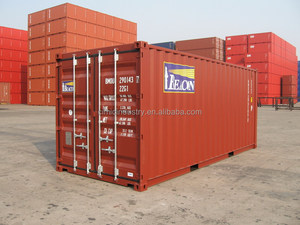
- Smart Containers with Integrated IoT Sensors: The deployment of IoT-enabled 20ft and 40ft shipping containers allows real-time monitoring of shock, tilt, door-open alerts, and GPS coordinates during both ocean transit and inland LTL drayage.
- Automated Kitting & Cross-Docking Warehousing: Facilities adjacent to air hubs (such as our 15-minute ORD airport warehouse) now utilize robotic sorting and automated dimensioners to scan, weigh, and re-label LCL cargo within minutes of offloading.
- Omnichannel B2B & Direct-to-Consumer (D2C) Integration: The line between traditional B2B freight forwarding and e-commerce fulfillment has dissolved. Modern LCL exporters offer direct injection into Amazon FBA networks, nationwide US domestic LTL distribution, and drop-shipping directly from port entry warehouses.
6. Enterprise Procurement FAQs: China LTL & LCL Freight Shipping
To help procurement officers, freight buyers, and logistics directors mitigate supply chain risk, our senior logistics engineering team has compiled definitive answers to standard technical inquiries:
Optimize Your Global Freight Procurement Today
Partner with a licensed NVOCC & IATA freight forwarder with over two decades of proven excellence. Get competitive LCL ocean, air export, and LTL trucking rates tailored to your exact supply chain requirements.
Get a Quote