
Global Freight & Bonded Warehousing Services
Door to Door Ocean Sea Freight FCL LCL Container Shipping Forwarder Agent From Shenzhen China to Austria & EU
Cheapest Air Sea DDP LCL International Logistics Service Top 10 China to Austria Express Freight Forwarder Shipping Agent
Shipping From China to Austria Germany Italy Sea Freight Forwarder DDP Shipping Agent Amazon FBA Logistics Solutions
International LCL+Trucking Logistics Shipping Agent Door To Door Freight Forwarder China To Austria/EU/USA Sea Freight
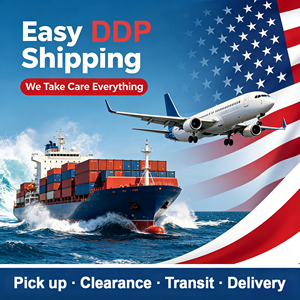
DDP Container Freight Forwarder Logistics Services FCL Sea Cargo Shipping Agent for Austria & European Destinations
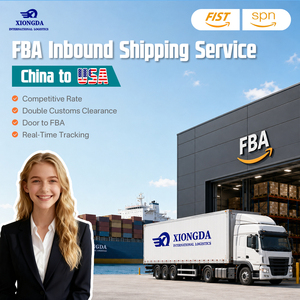
Amazon SPN Partner Fast FCL LCL Sea General Cargo From China To Austria EU Inbound Shipping Agent With Customs Clearance
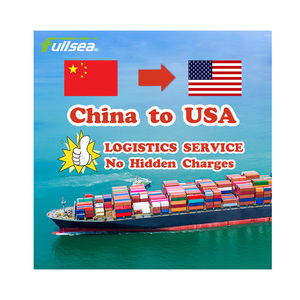
Cheapest Sea Shipping FCL LCL Container Freight Forwarding Direct Routes to European Gateway Ports & Austrian Warehouses
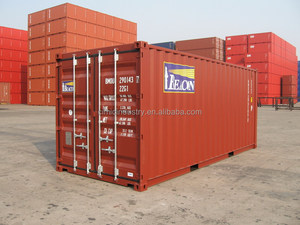
20ft 40ft Bonded Shipping Container Logistics & Warehousing Storage Solutions for International Manufacturers Serving Austria
1. Executive Summary: Strategic Role of Bonded Warehousing for Austrian Manufacturers
In the contemporary landscape of global supply chain management, European manufacturing enterprises—particularly those situated in Austria's industrial hubs such as Upper Austria (Linz-Wels-Steyr), Styria (Graz), and the Vienna Metropolitan Area—face an increasingly complex regulatory and macroeconomic environment. The confluence of fluctuating commodity prices, stringent European Union import regulations, complex customs tariffs, and volatile transit schedules necessitates advanced logistics strategies that extend beyond traditional freight forwarding.
Bonded warehousing services have emerged as a pivotal mechanism for capital preservation, regulatory risk mitigation, and supply chain agility. By leveraging authorized customs warehousing (Customs Warehouse Type C, D, or E under the EU Union Customs Code), global manufacturers supplying the Austrian market can defer import duties and Value Added Tax (VAT / Einfuhrumsatzsteuer) until the exact moment goods are cleared for domestic consumption within the EU Single Market.
Strategic Value Proposition: Integrating bonded warehousing into your Austrian distribution model enables zero-VAT cash flow retention during storage, duty-free re-exportation to non-EU markets (such as Switzerland, the UK, or the Western Balkans), and localized buffering against global shipping delays.
Regent Logistics Inc., operating as a licensed NVOCC and IATA-accredited logistics infrastructure provider since 2005, delivers end-to-end bonded logistics frameworks tailored specifically for global OEMs, Tier-1 industrial suppliers, and high-tech manufacturers serving Austria. Combining primary hub management, multimodal routing via Adriatic ports (Koper/Trieste) and Northern gateways (Hamburg/Rotterdam), and direct integration into Austrian inland container terminals (e.g., Cargo Center Graz, Terminal Enns, Vienna Freudenau), our solutions bridge international production ecosystems with Central European demand points.
2. Technical Architecture & Legal Framework of Bonded Storage in Austria
Operating a bonded supply chain within Austria requires deep compliance expertise with the European Union Customs Code (Regulation EU No 952/2013 - UCC) and national implementation governed by the Austrian Customs Administration (Zollamt Österreich). A clear operational understanding of customs regimes is vital for supply chain directors to eliminate operational bottlenecks.
Key Regulatory Pillars under the EU Union Customs Code (UCC)
- Duty Suspension Regime (Zollaussetzung): Goods entering an authorized Austrian bonded warehouse remain in non-Union status. Tarrying under customs supervision suspends Customs Duty (Zoll) and Import VAT (EUSt) indefinitely or until release into free circulation (Überführung in den zollrechtlich freien Verkehr).
- Fiscal Representation (Fiskalvertretung § 26a UStG): Non-resident manufacturers importing goods into Austria can utilize Fiscal Representation. This allows the import VAT to be declared and neutralized simultaneously through the importer's Austrian tax ID, drastically reducing working capital requirements.
- T1 External Community Transit Procedure: Cargo landed at European maritime entry ports (e.g., Port of Koper, Slovenia or Port of Hamburg, Germany) moves under NCTS T1 transit bond directly to the inland Austrian bonded facility without paying duties at the port of arrival.
- Inward Processing Relief (IPR / Aktive Veredelung): Austrian high-precision manufacturers importing raw materials or component sub-assemblies can process, assemble, or repair products within a bonded status, exempting inputs from import tariffs if the finished goods are re-exported outside the EU.
| Customs Procedure | Applicable Tariff / Tax Status | Primary Supply Chain Benefit | Target Industry Sector |
|---|---|---|---|
| Type C / Private Bonded Storage | Suspended Customs Duty & 20% Austrian EUSt | Complete inventory privacy; immediate release upon demand | Automotive OEMs, Industrial Machinery |
| Fiscal Representation (Art. 211 UCC) | Deferred Import VAT via reverse charge | Zero upfront cash layout for VAT upon customs clearance | E-Commerce, Consumer Electronics |
| Inward Processing Relief (IPR) | Duty-Free on raw components used in manufacturing | Eliminates double taxation on exported finished machinery | Mechatronics, Defense & Aerospace |
| T1 Multimodal Transit (NCTS) | Bonded transit under global financial guarantee | Fast-track port dispatch without local customs clearance delays | Global Logistics & Freight Forwarding |
3. Localized Application Scenarios Across Austrian Industrial Clusters
Austria’s economic strength relies heavily on specialized, export-oriented industrial manufacturing clusters. Regent Logistics designs tailored bonded warehousing architectures aligned with the specific geographic and operational needs of these regions.
Automotive & Mobility Cluster (Graz / Styria)
Styria is a world-renowned automotive engineering powerhouse. International Tier-1 suppliers use our bonded facilities near Cargo Center Graz to store microelectronics, gearboxes, and structural castings under duty suspension, releasing them Just-In-Time (JIT) directly to local assembly lines.
Heavy Machinery & Steel (Linz & Upper Austria)
Upper Austria’s industrial heartland relies heavily on imported raw metals, hydraulics, and specialized control units from Asian and American manufacturers. Bonded cross-docking hubs along the Danube corridor (Linz/Enns ports) enable large-scale component storage prior to final equipment integration.
High-Tech & Semiconductors (Villach / Carinthia)
Silicon Alps microelectronics manufacturers require high-security, climate-controlled bonded storage for silicon wafers and sensitive electronic components. Regent Logistics manages end-to-end, GDP/ISO-compliant bonded transit with real-time sensor monitoring.
Optimization Case: Adriatic Port Corridor vs. Northern Gateway Route
For manufacturers sourcing from China, Southeast Asia, or the US Gulf Coast and shipping to Austria, route optimization is crucial for reducing transit time and carbon footprint:
- The Adriatic Route (Port of Koper / Trieste → Austrian Bonded Hubs): Maritime transit from Asian ports via the Suez Canal directly to Koper (Slovenia) saves 5 to 7 days of sea transit compared to Northern ports. From Koper, direct block trains haul bonded T1 containers to Graz or Vienna terminals in under 24 hours.
- The Northern Range Route (Port of Hamburg / Rotterdam → Austrian Terminals): Preferred for ultra-large container vessels (ULCV) and heavy transatlantic ocean cargo. Goods move seamlessly via green rail corridors (AlbatrosExpress) under bonded transit directly into Upper Austrian bonded warehouses.
4. Macro Trends Shaping Austrian Logistics & Bonded Warehousing
The regulatory and technological environment governing international trade in Austria is undergoing significant structural shifts. Forward-thinking manufacturers must adapt their bonded warehousing strategies to remain competitive.
A. Carbon Border Adjustment Mechanism (CBAM) Compliance
The EU’s CBAM regulation requires importers of carbon-intensive goods—such as steel, aluminum, cement, and fertilizers—to report embedded emissions. Storing CBAM-affected industrial components within an Austrian bonded warehouse provides manufacturers with a strategic window to audit, verify, and document carbon intensity data prior to formal customs declaration, eliminating compliance penalties.
B. Complete Digitalization of Austrian Customs (e-Zoll & UCC Phase 2)
The Austrian Customs Administration is transitioning toward fully automated, paperless customs clearance through the national e-Zoll platform, synchronized with EU-wide UCC systems. Regent Logistics integrates automated EDI data feeds directly with Austrian customs servers, allowing pre-arrival T1 declarations, automated inventory re-classifications, and instant release approvals for bonded stock.
C. Nearshoring & Dual-Sourcing Central European Storage
Geopolitical friction and global shipping disruptions have pushed European manufacturers from Pure Just-In-Time (JIT) models toward "Just-In-Case" (JIC) regional buffering. Austrian bonded warehouses serve as ideal Central European redistribution hubs (CEE hubs), allowing international suppliers to hold 60 to 90 days of safety buffer stock near EU buyers without incurring immediate tax liabilities.
5. Regent Logistics Enterprise Strengths & Operational Capabilities
Since 2005, Regent Logistics Inc. has established itself as an authoritative partner in international freight forwarding, customs brokerage, and complex contract logistics. Our service matrix is engineered to provide complete end-to-end reliability for manufacturers serving the Austrian market.
Licensed NVOCC & IATA Carrier
Direct service contract holder with major ocean shipping alliances and international air carriers, guaranteeing space allocation and competitive freight rates even during peak seasons.
Global Network & Local Reach
Owned offices and bonded consolidation hubs in key gateway locations across China (Shenzhen, Shanghai, Ningbo) and North America (Chicago ORD Hub), fully connected to strategic European logistics partners.
Real-Time Control Tower
24/7 Digital Tracking Portal providing shipment milestone transparency, electronic document management (Bill of Lading, T1, EUR.1, Certificate of Origin), and automated stock level alerts.
Whether you require full container load (FCL) sea freight via Koper, express air freight inbound to Vienna International Airport (VIE), or complex DDP omnichannel delivery across Austria and neighboring EU nations, Regent Logistics delivers precision execution backed by two decades of industry leadership.
6. Frequently Asked Questions (FAQ) for Manufacturers Serving Austria
Here are detailed answers to technical questions commonly raised by international logistics managers and procurement directors importing into Austria.
Optimize Your Austrian Supply Chain Today
Consult with our senior supply chain architects to design a customized bonded logistics, duty-suspension, and freight forwarding solution tailored to your manufacturing requirements.