
End-to-End Oceans & Heavy Project Cargo Services
Explore our specialized freight forwarding matrix engineered for industrial plant equipment, factory relocations, and multimodal nearshoring routes between Asia, North America, and Mexico.
Door to Door Ocean Freight Forwarding (FCL/LCL & Breakbulk)
Full Turnkey DDP/DAP forwarding solutions connecting Shenzhen & Asian hubs to Mexico & North America.
Multimodal Air & Sea DDP Logistics for Machinery Spare Parts
Accelerated air-sea chartering and LCL consolidation tailored for time-critical factory components.
Global Factory Relocation Freight Forwarding & Equipment Charter
Heavy lift vessels, Flat Racks, and Open Tops managed across transatlantic and transpacific trade lanes.
Cross-Border Heavy Haul Trucking & Intermodal LCL Solutions
Integrated drayage, lowboy transport, and SPMT heavy machinery distribution across North America.
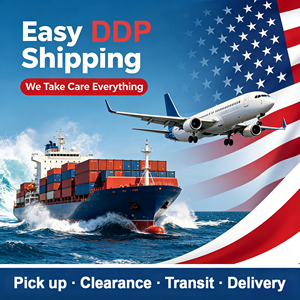
DDP Industrial Container & Heavy Cargo Project Freight
Predictable 16-25 day transit solutions incorporating duty payment, customs clearance, and delivery.
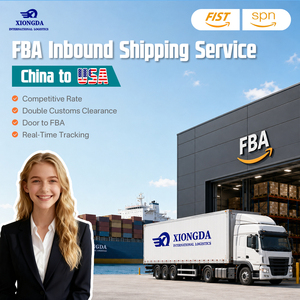
Customs Brokerage & Specialized Industrial Import Clearance
Expert management of Mexican Pedimento, Rule 8th (Regla 8a), and tariff classification for manufacturing lines.
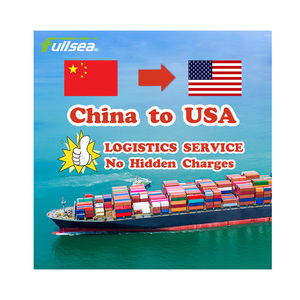
Direct Port-to-Port Breakbulk Vessel Chartering to Mexico
Cost-optimized ocean freight operations via Manzanillo, Lázaro Cárdenas, Veracruz, and Altamira.
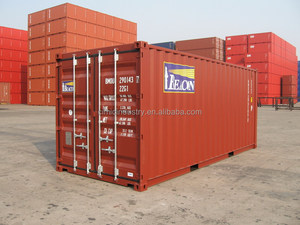
Specialized Project Containers (Flat Racks, Open Tops & ISO Units)
New and certified second-hand container positioning across all major Chinese ports for machinery out-of-gauge loadout.
The Mexican Nearshoring Paradigm: Navigating Breakbulk Logistics for Factory Setup
The global manufacturing ecosystem is experiencing a historic structural shift. Driven by the United States-Mexico-Canada Agreement (USMCA / T-MEC), international industrial conglomerates—specifically automotive, electronics, heavy machinery, and metal fabrication OEMs—are rapidly relocating production capacity to Mexico. Industrial hubs such as Monterrey (Nuevo León), Saltillo (Coahuila), Querétaro, San Luis Potosí, and the Bajío corridor have turned Mexico into a powerhouse for global manufacturing export.
However, relocating or establishing a new manufacturing plant involves significantly more than standard container freight. Transferring entire stamping lines, CNC turning centers, hydraulic press machines, automated assembly robots, and blast furnaces requires Breakbulk Shipping Logistics (BBK) and Project Cargo execution. Unlike standardized ISO containerized cargo, factory machinery frequently exceeds standard payload limits, width clearances, and vertical height envelopes. Successfully executing these operations requires non-standard vessel charters, marine engineering stowage plans, heavy-haul inland trucking permits, and stringent Mexican customs clearance strategies.
Logistics failure during factory commissioning can result in catastrophic operational delays, costing factory operators hundreds of thousands of dollars per day in idle plant labor and delayed market launch. This whitepaper provides engineering logistics directors, supply chain VPs, and procurement managers with an actionable framework for breakbulk shipping and factory movement to Mexico.
Selecting the Optimal Ocean Freight Mode for Factory Equipment
Determining whether to transport factory machinery via Breakbulk Vessels, Roll-on/Roll-off (RoRo), Special Open Top / Flat Rack containers, or standard FCL containers depends on dimensions, weight distribution, structural integrity, and port crane infrastructure.
| Transport Mode | Suitable Cargo Specifications | Key Operational Advantages | Cost Structure & Port Handling | Mexico Port Suitability |
|---|---|---|---|---|
| Breakbulk Vessel (BBK / MPV) | Heavy Lift (>45 MT), Over-length, over-height industrial equipment, un-containerizable press frames. | Direct hold loading, no container dimension boundaries, multi-purpose heavy cranes on board (up to 400 MT tandem lift). | Billed per W/M (Weight or Measurement Ton). High port gang & stevedoring fees; zero container demurrage risks. | Manzanillo, Lázaro Cárdenas, Altamira, Veracruz. |
| Flat Rack (FR) & Open Top (OT) | Out-of-Gauge (OOG) machinery up to 45 MT, requiring overhead crane loading but fitting container vessel slots. | Utilizes liner network schedules, higher sailing frequency from Asian ports (Shenzhen, Ningbo, Shanghai). | Subject to OOG slot surcharges, container equipment detention, and strict ocean liner slot availability. | All main Mexican ocean container terminals. |
| Roll-on / Roll-off (RoRo) | Wheeled heavy machinery, self-propelled construction units, or static machinery on Mafi trailers. | Zero vertical crane lifting risk; completely enclosed deck stowage safe from saltwater spray. | Premium rate based on lane volume; limited availability for non-wheeled factory machinery. | Veracruz, Lázaro Cárdenas, Mazatlán. |
| Standard FCL (40' HC / 20' ST) | Disassembled auxiliary factory parts, electric panels, tooling jigs, robot arms fitting ISO enclosures. | Lowest freight rate per CBM, maximum sailing frequency, easy inland intermodal transfer directly to plant site. | Standard freight tariff; low risk of customs holding delays if documentation matches invoice. | Universal access across all Mexican ports & border gates. |
Engineering Insight: Stowage Factor & Lashing Principles
For Breakbulk shipping under the IMO Code of Safe Practice for Cargo Stowage and Securing (CSS Code), heavy machinery must undergo rigor Center of Gravity (CoG) calculation and acceleration calculations. Regent Logistics coordinates third-party marine surveyor inspections (MFA) to certify dunnage, welding stopper plates, turnbuckles, and high-tensile steel chain lashings prior to vessel departure, preventing catastrophic cargo shift during transpacific sea voyages.
Gateway Ports and Inland Heavy-Haul Transport Corridors to Mexican Factories
Selecting the correct entry ocean port in Mexico directly impacts inland transit costs, highway bridge clearance permits, and security escort requirements for factory equipment moving to northern industrial parks.
Port of Manzanillo (Colima) – Pacific Gateway
Primary Function: Mexico’s busiest Pacific gateway for containerized and project cargo originating from China, Japan, and South Korea.
Breakbulk Infrastructure: Specialized multi-purpose terminals (TIMSA) equipped with shore cranes and heavy-drayage staging yards.
Inland Route: Connects directly to the Guadalajara, Querétaro, and Mexico City (CDMX) industrial belt via Highway 200D/54D.
Port of Lázaro Cárdenas (Michoacán) – Deepwater Champion
Primary Function: Mexico's deepest natural port harbor (-18m draft), ideal for Capesize and large Multi-Purpose Breakbulk vessels (MPV).
Rail Connectivity: Direct Kansas City Southern de México (CPKC) rail line linking directly into Monterrey, Saltillo, and the US border at Laredo.
Inland Route: High-weight capacity highway corridors allowing heavy-lift transport over 100 MT with minimal overhead obstructions.
Port of Altamira (Tamaulipas) – Gulf Coast Hub
Primary Function: Strategically situated on the Gulf of Mexico, servicing trade routes from Europe, the US Gulf Coast, and trans-panama shipments.
Proximity: The closest ocean port to Monterrey (Nuevo León) and Saltillo (Coahuila)—the epicenter of Mexico's automotive nearshoring boom.
Staging Yards: Massive industrial land footprint for temporary equipment storage and assembly prior to factory site delivery.
Port of Veracruz (Veracruz) – Historic Heavy Lift Gateway
Primary Function: Handles high volumes of automotive stamping machinery, assembly equipment, and steel coils.
Modern Expansion: Bahía de Veracruz expansion project provides ultra-modern breakbulk docks and mobile harbor cranes (MHC).
Inland Route: Direct access to Central Mexico, Puebla, and the Southeastern manufacturing corridor.
Inland Heavy-Haul Logistics & SCT Permit Management
Once discharged at the Mexican port, moving Out-of-Gauge (OOG) machinery to the factory site requires compliance with the Secretaría de Infraestructura, Comunicaciones y Transportes (SCT). Transporting loads over 45 metric tons or exceeding 3.5 meters in width necessitates:
- Specialized Trailer Configurations: Utilization of Lowboy trailers, Hydraulic Multi-Axle Modular Transporters (SPMT), or extendable flatbed units.
- SCT Overweight/Oversize Permits (NOM-012-SCT-2-2017): Technical route surveys evaluating bridge load limits, overpass heights, and toll booth clearances.
- Escort Security Vehicles (Pilotos): Mandatory front and rear pilot cars with warning lights, accompanied by private security escorts along high-risk highway corridors.
Navigating Mexican Customs (SAT), Regla 8a, and IMMEX for Machinery Import
Mexican import customs procedure (managed by ANAM and SAT) is widely recognized as one of the world's most detailed legal environments. Clearing a dismantled, multi-shipment factory production line under standard import declarations often leads to severe delays, incorrect tariff fines, or seizure of equipment.
Regla 8a (Rule 8th) Special Authorization
Allows factory operators to import complete, disassembled manufacturing lines or production plants under a single preferential tariff heading (HS Code 9802), reducing duty rates from up to 25% down to 0%-5%.
IMMEX & PROSEC Tax Incentive Programs
Foreign manufacturers operating under the IMMEX scheme enjoy 100% VAT (IVA 16%) exemption on temporary imports of machinery and industrial tooling, provided the finished goods are exported.
NOM Compliance & Technical Certificates
Verification of Normas Oficiales Mexicanas (NOM-001/NOM-003/NOM-024) for electrical safety and industrial machinery safety prior to customs entry, preventing port hold-ups.
Pedimento Clearance Strategy for Multi-Shipment Projects
When a complete factory line is shipped across multiple ocean vessels over several months, individual custom entries must align with the global master project authorization registered with the Mexican Tax Authority (SAT). Regent Logistics works alongside licensed Mexican Customs Brokers (Agentes Aduanales) to ensure pre-clearance validation (Glosa Previa) and origin verification before cargo touches Mexican soil.
Regent Logistics: 20+ Years of Project Cargo & Nearshoring Excellence
Founded in 2005, Regent Logistics Inc. is a licensed NVOCC and IATA freight forwarder providing end-to-end global logistics solutions for complex industrial projects.
Dual US & China Licensed Offices
Direct ownership and operation of licensed NVOCC offices in the United States and China, enabling seamless origin-to-destination coordination without intermediaries.
ORD Chicago Hub (15 Min from O'Hare)
Strategically situated warehousing facility near ORD Airport, providing B2B omnichannel fulfillment, cross-docking, heavy storage, and rapid US-Mexico land transport.
Global Network Credentials
Certified member of WCA World, PANCO, GLSN, and FNC networks, giving us access to specialized heavy-lift gear and priority berth allocation in over 150 countries.
Frequently Asked Questions: Breakbulk Logistics to Mexico
Addressing crucial technical, legal, and operational questions asked by supply chain executives during factory relocation planning.
What is the average ocean transit time for Breakbulk machinery from China to Mexico?
Direct ocean transit for Multi-Purpose Vessels (MPV) or specialized Breakbulk liners from major Chinese origin ports (Shanghai, Ningbo, Shenzhen, Qingdao) to Mexican Pacific ports (Manzanillo, Lázaro Cárdenas) typically ranges from 22 to 30 days, depending on vessel speed and berth congestion. Including origin loading survey and Mexican customs release, total door-to-door transit to industrial parks in Monterrey or Guadalajara averages 35 to 45 days.
How are Breakbulk freight rates calculated compared to standard container shipping?
Breakbulk ocean freight is calculated based on W/M (Weight or Measurement Ton), where 1 Metric Ton = 1,000 kg and 1 CBM (Cubic Meter) = 1 W/M ton. The carrier quotes based on whichever value yields the higher revenue. Additionally, heavy-lift surcharges apply to individual pieces exceeding 20 MT, along with liner hook-in/hook-out charges, quay crane rental, and port stevedoring gangs.
What documentation is required to clear heavy machinery at Mexican customs under Regla 8a?
To clear disassembled factory lines under Regla 8a, importers must provide: (1) Official SAT authorization letter under the PROSEC framework, (2) Detailed master packing list mapping every component to the central machinery tariff code, (3) Commercial invoice specifying individual and total values, (4) Marine survey report certifying machinery status (new vs. used), and (5) Pedimento import declaration issued by a licensed Mexican Agente Aduanal.
How do you manage inland highway bridge and height limitations in Mexico?
Before cargo leaves the port, Regent Logistics conducts a Route Survey Analysis. Our engineering team maps highway overpass clearances, toll gate widths, bridge tonnage weight limits, and overhead power line obstacles along the route (e.g., Manzanillo to Monterrey). Where necessary, we arrange highway bypasses, police escorts, temporary overhead cable lifting, and utilize Hydraulic Multi-Axle Modular Transporters (SPMT) that dynamically adjust deck height.
Can Regent Logistics handle combined US-Mexico cross-border heavy haul (Transloading at Laredo)?
Yes. For factory equipment originating in North America or entering via US ports (Houston, Long Beach), we operate direct cross-border transloading at key border gates including Laredo, McAllen, and El Paso. We manage cross-border drayage, US export filing (EEI/AES), Mexican pedimento clearance, and bonded inland transfer directly to plant sites across Mexico.
What cargo insurance coverage is recommended for high-value factory equipment ocean shipping?
Standard carrier liability for ocean freight is severely limited under Hague-Visby rules (often limited to $500 per package). We strongly advise purchasing All-Risk Marine Cargo Insurance (ICC "A" Clause) covering 110% of CIF value. This covers marine risk, loading/unloading damage, heavy-lift derrick operations, and inland transit risks across Mexico.