
Recommended CE-Certified Hazardous Cargo Logistics Services
Select specialized freight solutions tailored for Danish industrial compliance, backed by NVOCC ocean forwarding, IATA air export, and automated ISF customs filing.
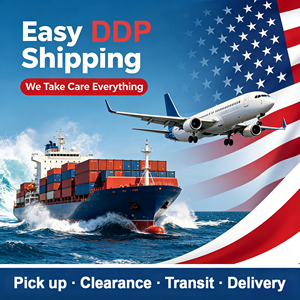
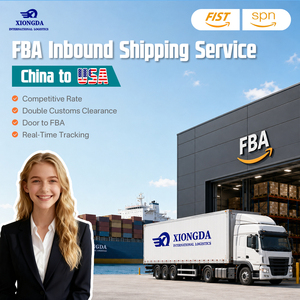
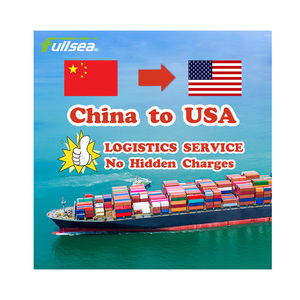
Whitepaper: Supply Chain Compliance & Intermodal Freight Architecture for Hazardous Cargo into Denmark
Navigating the transport of dangerous goods into the Kingdom of Denmark requires an authoritative understanding of both European Union legislative mandates and local Danish maritime regulations. As Denmark accelerates its transition toward green energy, offshore industrial operations, advanced biotechnology, and specialized electronics manufacturing, the demand for certified, safe, and highly efficient hazardous materials cargo forwarding has reached unprecedented levels. Regent Logistics, operating as a licensed NVOCC and IATA-accredited forwarding entity since 2005, presents this technical framework to assist manufacturers, chemical exporters, and procurement managers in optimizing supply chain integrity.
1. Regulatory Governance: Integrating CE Marking, IMDG, ICAO, and ADR Standards
Exporting hazardous cargo from manufacturing hubs in Asia or North America into Danish ports—such as the Port of Aarhus, Copenhagen Malmö Port (CMP), and the Port of Esbjerg—demands multi-layered regulatory synchronization. Transporting chemicals, lithium batteries, and flammable industrial agents involves strict alignment across several international codes:
- CE Marking & Machinery/Chemical Directives: Equipment, containment systems, and active battery units imported into Denmark must carry CE certification to confirm compliance with EU safety, health, and environmental protection requirements (such as REACH Regulation EC 1907/2006 and the EU Battery Regulation 2023/1542).
- IMDG Code (International Maritime Dangerous Goods): Ocean freight movement of Class 2 (Gases), Class 3 (Flammable Liquids), Class 8 (Corrosives), and Class 9 (Miscellaneous Hazardous Materials) requires mandatory UN-certified packaging, segregation verification, and accurate Dangerous Goods Declarations (DGD).
- ADR Regulations (European Agreement Concerning the International Carriage of Dangerous Goods by Road): Upon arrival at Danish container terminals, inland drayage and cross-border trucking to hubs in Odense, Aalborg, or Billund must comply with strict ADR driver certification, vehicle plating, and emergency equipment standards.
- ICAO/IATA Dangerous Goods Regulations (DGR): Time-critical shipments routed via Copenhagen Airport (CPH) or Billund Airport (BLL) undergo rigorous packaging group (PG I, II, III) checks, state variations, and carrier operator rules.
Technical Matrix: Dangerous Goods Classes & Nordic Transit Parameters
| UN Hazard Class | Primary Cargo Examples | Packaging Group (PG) | Primary Danish Port / Entry | Compliance Documentation Required |
|---|---|---|---|---|
| Class 3 | Paints, Solvents, Industrial Resins, Ethanol | PG I, II, III | Port of Aarhus / Copenhagen CMP | IMDG DGD, SDS (Bilingual EN/DA), CE Pack Cert |
| Class 8 | Sulfuric Acid, Etching Fluids, Alkaline Liquids | PG I, II | Port of Aarhus Terminal | UN Specification Box, REACH Annex II SDS, ADR Card |
| Class 9 | Lithium-Ion Batteries (UN3480/UN3481), EV Modules | PG II | Billund Air Cargo / Esbjerg Ocean Terminal | UN 38.3 Test Summary, CE Declaration, IATA DGD |
| Class 4.1 / 5.1 | Self-reactive Substances, Organic Peroxides | PG II, III | Port of Esbjerg (Energy Hub) | Temperature Control Log, Emergency Response Sheet |
2. Localized Industrial Application Scenarios Across Denmark
To deliver maximum operational value, hazardous material forwarding solutions must match Denmark’s distinct geographic industrial clusters:
A. Kalundborg Biotech & Pharmaceutical Cluster: Known globally for Kalundborg Symbiosis and advanced life-science manufacturing, this region imports high-purity chemical reagents, Class 8 corrosive acids, and specialty solvents. Regent Logistics provides temperature-controlled UN tank containers and expedited customs pre-alerts to ensure zero downtime for pharmaceutical cleanrooms.
B. Esbjerg Offshore Energy & Wind Turbine Hub: As the center for offshore wind energy in the North Sea, Esbjerg requires large-scale shipments of Class 3 protective coatings, anti-corrosion marine resins, and industrial energy storage units (Class 9). Our intermodal heavy-lift and flat-rack container solutions serve manufacturers supplying giant offshore wind installations.
C. Odense Robotics & High-Tech Manufacturing: The rapidly expanding robotics sector in Funen relies on constant supply chains of lithium-ion battery modules (UN 3480) and precision electronics cleaner solvents. We execute air-sea hybrid DDP routes that deliver certified cargo straight to assembly floors in compliance with Danish Working Environment Authority (Arbejdstilsynet) guidelines.
D. Greater Copenhagen Chemical & Consumer Goods Retail: Serving dense commercial centers, our B2B fulfillment and cross-docking capabilities near major airport hubs streamline smaller LCL consignments, aerosol cans (Class 2.1), and specialized adhesives into regional distribution networks.
3. Strategic Market Trends & Decarbonization in Nordic Logistics
Denmark leads the global transition toward environmental sustainability, setting aggressive carbon-neutral targets for 2030 and beyond. This macro trend directly influences dangerous goods logistics:
- Green Ocean Corridors & Sustainable Marine Fuel: Ocean carriers operating on Asia-to-Europe lanes are deploying methanol dual-fuel and LNG vessels. Regent Logistics partners with carriers offering verified carbon-offset reports for Danish importers seeking Scope 3 emission reductions.
- Digital Dangerous Goods Declarations (e-DGD): Danish customs and port authorities are rapidly digitizing border clearance. Real-time API integration allows instant uploading of UN 38.3 test reports, Safety Data Sheets (SDS), and customs declarations, dramatically reducing port dwell times from days to hours.
- Reverse Logistics for Battery Recycling: Under the expanded EU Battery Directive, manufacturers must establish traceably certified return paths for spent industrial and automotive batteries. Our reverse logistics framework supports secure Class 9 battery transport back to certified European recycling nodes.
Why Global Manufacturers Choose Regent Logistics for Denmark Cargo
Built upon 20+ years of licensed freight forwarding excellence, direct carrier contracts, and dedicated dangerous goods specialists.
Licensed NVOCC & IATA Carrier
Direct booking rights with major ocean alliances and air carriers. We bypass middlemen to secure dedicated dangerous goods space allocations even during peak season shipping crunches.
Strategic Air Hub near ORD Airport
Our primary US warehousing infrastructure sits just 15 minutes from Chicago O'Hare (ORD), providing rapid consolidation, cross-docking, and hazmat re-packaging before transatlantic dispatch.
Shenzhen & Greater China Direct Gateways
Owned origin offices in Shenzhen, Ningbo, and Shanghai manage factory pickup, UN box certification, safety labeling, and export customs declarations directly at source.
Real-Time Telemetry & Cargo Tracking
Our proprietary portal offers 24/7 visibility into GPS location, container temperature monitoring, customs status milestones, and automated document repositories.
WCA, PANCO & IATA Accredited Member
Globally recognized network credentials ensure seamlessly insured, door-to-door handoffs across all European borders, backed by local Danish customs brokers.
Frequently Asked Questions: Importing Hazardous Cargo to Denmark
Expert answers on customs compliance, UN packaging, transit timelines, and duty structures for procurement officers.
What documents are mandatory for clearing Class 3 or Class 8 hazardous freight in Danish ports?
You must provide an official Dangerous Goods Declaration (DGD) compliant with the IMDG code, a 16-point Safety Data Sheet (SDS) translated into English or Danish, a commercial invoice with precise HS/CN codes, a packing list detailing UN numbers, and the UN-approved packaging certificate. For chemical imports, REACH compliance confirmation is also verified by the Danish Environmental Protection Agency (Miljøstyrelsen).
How are lithium-ion battery shipments (UN3480 / UN3481) handled under current EU regulations?
Lithium-ion batteries shipped to Denmark require valid UN 38.3 test summary reports, state-of-charge (SoC) compliance under 30% for air freight, and CE-marked battery safety labeling. Regent Logistics handles full DDP air and ocean routing, managing strict carrier acceptance checks and compliant ADR road transport straight to your Danish facility.
What is the typical ocean freight transit time from Shenzhen or Ningbo to the Port of Aarhus?
Standard ocean FCL/LCL transit times from major South China ports to the Port of Aarhus or Copenhagen CMP range between 24 and 32 days depending on the ocean service loop. Express DDP services incorporating pre-cleared customs and priority port discharge typically complete door-to-door delivery within 18 to 22 days.
Can Regent Logistics assist with UN-certified packaging and dangerous goods re-labeling at source?
Yes. Our warehouses in Shenzhen, Shanghai, and Chicago specialize in dangerous goods prep services. We provide certified UN fiberboard boxes, steel drums, spill-proof overpacks, hazard placards, and GHS-compliant multilingual chemical labeling prior to loading into ocean containers or air ULDs.
How do DDP (Delivered Duty Paid) terms work for Danish chemical importers?
Under DDP terms, Regent Logistics acts as the single-point coordinator, managing ocean/air freight, hazardous surcharges, Danish customs entry, import VAT processing through SKAT (Danish Tax Agency), and final ADR-certified truck delivery. This eliminates unexpected terminal handling fees or regulatory delays for Danish buyers.
Request a CE-Certified Hazardous Freight Rate & Technical Consultation
Connect directly with our senior dangerous goods logistics engineers to review your Safety Data Sheets (SDS), container specifications, and Denmark delivery schedules.