
Featured China-to-Seoul Freight Solutions
Explore our optimized freight forwarder routes, express air cargo pipelines, ocean container consolidation, and customs-managed shipping corridors serving Incheon, Gimpo, and Seoul.
Door to Door Ocean Sea Freight FCL/LCL Forwarding
Full container and consolidated ocean cargo solutions connecting major China hubs to Incheon/Pyeongtaek Ports with automated DDP customs handling.
Cheapest Air & Sea DDP LCL Express Logistics Service
Economical multimodal shipping integrating fast sea-air channels, duty-paid tax clearance, and last-mile trucking across Gyeonggi-do and Seoul.
Cross-Border Ocean Freight & Bonded Warehousing Logistics
Precision container shipping with temporary bonded storage, customized palletizing, and direct fulfillment to Korean commercial centers.
International LCL + Trucking Door-to-Door Freight Solution
Streamlined less-than-container-load consolidation with dedicated airport and seaport drayage services straight to Seoul warehouses.
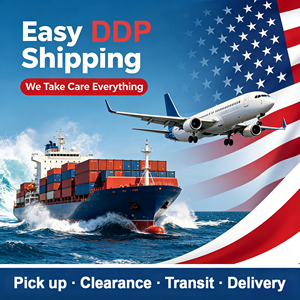
DDP Container Freight & Guaranteed Transit Sea Cargo Shipping
High-priority ocean freight lines featuring fixed vessel departures, guaranteed space allocation, and rapid KC-compliance customs processing.
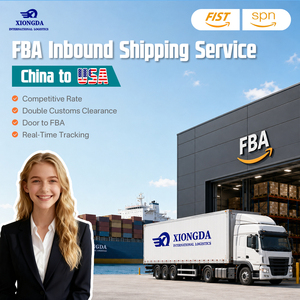
Fast FCL/LCL General Cargo Freight & Expedited Customs Entry
Comprehensive freight handling for raw industrial materials, high-tech components, and finished consumer goods into South Korea.
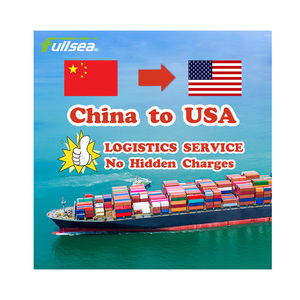
High-Capacity Container Freight & Coastal Shuttle Services
Cost-efficient maritime corridor management connecting China coastal manufacturing hubs to Incheon & Pyeongtaek ports.
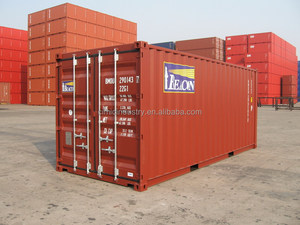
20ft/40ft Intermodal ISO Shipping Container Freight Solutions
Flexible container positioning, grade-A cargo container allocation, and specialized equipment handling for heavy industrial exports.
Navigating the China-to-Seoul Cross-Border Freight Corridor
As trade integration accelerates under RCEP and the China-South Korea Free Trade Agreement, cross-border supply chains require high precision, regulatory foresight, and multimodal agility.
The bilateral trade corridor between major Chinese industrial zones (Shenzhen, Ningbo, Shanghai, Qingdao, and Weihai) and the Seoul Metropolitan Area represents one of the world's most dynamic supply chain arteries. Serving Seoul's fast-moving markets—spanning Dongdaemun fashion logistics, Pangyo Techno Valley semiconductor parts, Gangnam health & beauty retail, and Gyeonggi-do advanced electronics—demands more than conventional freight forwarding. It demands end-to-end operational mastery, optimized multimodal routes, real-time IoT cargo visibility, and frictionless customs compliance through the Korean UNI-PASS platform.
As an established freight management exporter and licensed NVOCC operator, Regent Logistics bridges Chinese manufacturing powerhouses directly with South Korean enterprise buyers. By leveraging direct carrier contracts, bonded airport transfer hubs, and fast Ro-Ro ferry services (connecting Shandong coastal ports to Incheon in under 14 hours), we deliver structural cost advantages while neutralizing supply chain bottlenecks.
Strategic Information Gain Insight: Selecting between ocean FCL, consolidated LCL, express Ro-Ro ferry, and direct air cargo hinges on your inventory velocity and KC (Korea Certification) compliance status. Our hybrid logistics models cut lead times by up to 40% compared to traditional maritime transport, while ensuring 100% duty pre-clearance efficiency.
Localized Application Scenarios Across Seoul & Gyeonggi-do
Different economic clusters within the Seoul Capital Area demand tailored logistics architectures. Here is how our cross-border freight management powers key local industries.
1. Pangyo & Suwon High-Tech Electronics & Semiconductor Supply Chains
Pangyo Techno Valley and Suwon are global epicenters for microelectronics, printed circuit boards (PCBs), and semiconductor testing gear. We provide temperature-controlled air freight and shock-resistant LCL express containers from Shenzhen and Suzhou directly to Incheon Airport Cargo Terminal (AACT), guaranteeing JIT (Just-In-Time) delivery to production lines.
- Direct flights from SZX/CAN to ICN (3.5-hour transit)
- ESD-safe, anti-static packaging & palletizing
- Pre-arrival UNI-PASS customs documentation filing
2. Gangnam & Myeongdong K-Beauty Packaging & Cosmetic Raw Materials
Seoul’s beauty giants rely on steady shipments of specialized cosmetic bottles, pump dispensers, and raw organic ingredients manufactured in Zhejiang and Guangdong. We manage consolidated ocean LCL and DDP door-to-door delivery into distribution centers in Gimpo and Incheon, avoiding retail stockouts.
- LCL consolidation from Ningbo & Yiwu to Incheon Port
- Chemical safety data sheet (MSDS) verification
- Full DDP tax payment handling (VAT & import tariffs)
3. Dongdaemun Fashion & Cross-Border E-Commerce Fulfillment
Korea’s booming e-commerce platforms (Coupang, Naver Smart Store, Kakao Shopping) demand hyper-fast restocking for fast-fashion apparel and accessories. Utilizing express Ro-Ro ferry routes from Weihai to Incheon, goods depart China at dusk and undergo morning customs clearance in Seoul.
- 14-Hour Overnight Sea Ferry Express Corridors
- Direct API integration with local Korean courier networks
- SKU-level labeling and cross-docking services
4. Gyeonggi Automotive Parts & Industrial Machinery Distribution
Heavy industrial equipment, CNC machine parts, and automotive aftermarket components require heavy-lift 20ft and 40ft FCL container shipping to Pyeongtaek Port, followed by specialized flatbed trucking into industrial complexes across Hwaseong, Ansan, and Incheon.
- FCL Open-Top & High-Cube container handling
- Heavy-haul inland transport permits & drayage
- RCEP Tariff preference documentation (Form E/RCEP)
5. Consumer Smart Home Devices & Appliance Import Channels
Smart home appliances and consumer electronics manufactured in Foshan and Qingdao require precise KC safety & EMC certification checks prior to arrival. Our local freight specialists coordinate pre-shipment inspections to avoid customs holds at Incheon Seaport.
- KC Certification pre-screening and HS classification
- Secure bonded storage in Incheon Free Economic Zone (IFEZ)
- Reverse logistics & return parcel processing
Key Trade & Logistics Trends Shaping the Seoul Market
To maintain a competitive edge, importers and exporters must align with technological innovations, regional trade agreements, and environmental standards governing China-Korea trade corridors.
1. Maximizing RCEP & China-Korea FTA Tariff Exemptions
With the Regional Comprehensive Economic Partnership (RCEP) fully operational alongside the bilateral China-Korea FTA, over 90% of tariff lines are transitioning toward zero duties. Modern freight management relies on automated Certificate of Origin (COO) issuance and rule-of-origin verification, allowing Seoul buyers to eliminate unnecessary import taxes legally and instantaneously.
2. Expansion of Shandong-Incheon Ro-Ro Sea-Air Hybrid Corridors
Rising air freight spot rates have fueled high demand for Shandong (Weihai/Qingdao) to Incheon express Roll-on/Roll-off (Ro-Ro) ferry routes. Operating like clockwork, these vessel channels deliver air-like transit speeds (12 to 14 hours maritime transit) at ocean freight cost structures, making them the preferred choice for cross-border e-commerce sellers.
3. AI-Driven Customs Filing & K-Customs UNI-PASS Integration
Korea Customs Service (KCS) enforces strict electronic data interchange (EDI) compliance via its UNI-PASS ecosystem. Leading freight manufacturers integrate direct API pre-alert systems that feed manifest data into UNI-PASS before vessels dock at Incheon or land at O'Hare/Incheon airports, drastically reducing clearance lead times from days to hours.
4. ESG Compliance & Carbon-Tracked Multimodal Shipping
Major South Korean conglomerates (Chaebols) and public enterprises in Seoul now mandate Scope 3 carbon footprint reporting across their supply chains. Advanced freight forwarders offer route optimization software that calculates CO2 emissions per TEU/kg, utilizing eco-friendly vessel fleets and modern electric drayage trucks in Korean port zones.
Regent Logistics: Operational Leadership & Strategic Advantage
Founded in 2005, Regent Logistics combines international NVOCC accreditation, direct carrier alliances, and robust logistics infrastructure across North America, China, and South Korea.
Licensed NVOCC & IATA Carrier Direct Access
As a dual-licensed NVOCC operator and IATA certified air freight agent, we hold direct contract space allocations with major ocean liners (COSCO, ONE, Evergreen, HMM) and top-tier airlines, securing fixed space even during peak shipping seasons.
Dual Headquarters & Global Logistics Networks
Operating key strategic offices across the United States (including our primary 15-minute ORD airport warehousing facility in Elk Grove Village, IL) and China (Shenzhen, Ningbo, Shanghai), backed by active memberships in WCA, FNC, PANCO, and GLSN.
End-to-End Digital Visibility & Cargo Tracking
Our proprietary client dashboard provides 24/7 real-time tracking, automated milestone notifications, digital bill of lading (BOL) management, and transparent pricing without hidden destination fees or surprise surcharges.
Frequently Asked Questions by Seoul Importers
Get authoritative answers on shipping transit times, customs clearance rules, DDP terms, and regulatory compliance for importing into South Korea.
- Air Freight (Direct): 3 to 5 hours flight time; total door-to-door delivery in 1-2 business days.
- Express Ro-Ro Ferry (Weihai/Qingdao to Incheon): 12 to 14 hours sea transit; door-to-door in 2-3 business days.
- Ocean FCL/LCL (Shanghai/Ningbo to Incheon Port): 2 to 4 days port-to-port; door-to-door in 5-7 business days.
Optimize Your Supply Chain to Seoul Today
Partner with China's leading cross-border freight management manufacturer and exporter. Contact our logistics experts for custom route engineering, RCEP tariff consulting, and instant freight quotes.
Get Catalog