
- Fully Managed DDP Customs Clearance
- Direct Rail Connection from Dammam Port
- SABER & SASO Compliance Filing
- 3-5 Days Priority Air Freight Transit
- Zero Hidden Duty / Tax Guarantee
- Real-Time WMS & GPS Dashboard
- Automated Palletizing & Barcoding
- 15-Min Proximity to Riyadh Logistics Zone
- Same-Day Fulfillment Dispatch
- Scheduled Weekly Container Loadings
- Temperature-Controlled Fleet Fleet
- Cross-Docking & De-consolidation
- Direct Carrier Contracts (COSCO, MAERSK)
- Bonded Transfer to Riyadh Dry Port
- Comprehensive Cargo Insurance
- FASAH Automated Clearance System
- Priority Booking Slots at Riyadh Hubs
- Full Duty Paid & Tax Compliance
- Direct Vessel Calls to Jeddah & Dammam
- Heavy Industrial Cargo Storage
- End-to-End API Integration
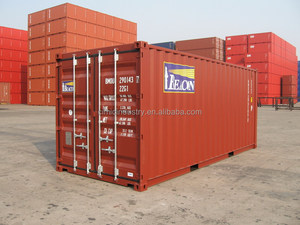
- Brand New & SOC Container Supply
- Off-dock Yard Operations
- Extended Free Storage Terms
1. Strategic Overview: Riyadh as the Supply Chain Powerhouse of Saudi Vision 2030
As the Kingdom of Saudi Arabia accelerates its transformation under Vision 2030, Riyadh has firmly established itself as the central economic and logistical nerve center of the Middle East. With massive infrastructure initiatives including the National Transport and Logistics Strategy (NTLS), the Kingdom aims to position Riyadh among the top 10 city economies globally. This transformation demands robust, tech-enabled, and highly compliant third-party logistics (3PL) warehousing infrastructure capable of handling unprecedented import volumes originating from China’s manufacturing powerhouses.
Establishing an efficient supply chain pipeline between major Chinese industrial zones (such as Shenzhen, Ningbo, Shanghai, and Guangzhou) and Riyadh requires navigating complex geographic, regulatory, and thermal environments. Riyadh’s inland position relies heavily on seamless multimodal freight corridors—primarily entry via King Abdulaziz Port in Dammam or Jeddah Islamic Port, followed by bonded rail or highway transport to the Riyadh Dry Port and specialized industrial zones like Al-Sulay, Al-Mashael, and King Khalid International Airport (RUH) Logistics Zone.
Multimodal Efficiency
Connecting Chinese seaports directly to Riyadh via bonded rail corridors from Dammam, bypassing highway congestions and reducing inland transit times by 40%.
Regulatory Integration
Direct API binding with Saudi Arabia's FASAH platform and SABER certification portal to clear goods within 24–48 hours of port discharge.
Climate Protection
State-of-the-art temperature-controlled warehousing engineered to withstand extreme ambient summer heat in Riyadh reaching upwards of 50°C.
For international brands, cross-border e-commerce sellers, and industrial contractors, securing a reliable China-to-Riyadh 3PL partner is no longer just an operational decision; it is a critical competitive advantage. By offering end-to-end visibility, duty-paid (DDP) door-to-door solutions, and localized fulfillment, top Chinese logistics providers enable brands to minimize inventory hold-ups, avoid punitive demurrage fees, and maximize customer satisfaction across the GCC market.
2. Specialized Application Scenarios Across Riyadh’s Economic Sectors
Logistics requirements in Riyadh vary dramatically by sector. Our 3PL warehousing and forwarding ecosystem is tailored to satisfy the precise demands of four major industries driving Saudi Arabia’s development:
- • Cross-Border E-Commerce & Retail Fulfillment: Seamless integration with Amazon.sa, Noon, and Salla platforms. We provide pick-and-pack, localized SKU relabeling, and same-day delivery dispatch within Greater Riyadh.
- • Giga-Project Heavy Construction Supply Chain: Managing out-of-gauge (OOG) structural steel, machinery, and MEP supplies bound for mega-developments like Qiddiya, Diriyah Gate, and New Murabba.
- • Consumer Electronics & Sensitive Tech: Static-free, dust-filtered, and temperature-monitored storage in Al-Sulay Industrial District to preserve high-value semiconductor devices, smartphones, and solar components.
- • Medical Devices & Healthcare Cargo: Cold-chain logistics operating strictly under Saudi Food and Drug Authority (SFDA) standards, maintaining unbroken 2°C to 8°C storage conditions.

3. Key Trends Shaping the Riyadh Logistics & Warehousing Market
The Saudi logistics landscape is undergoing a digital and structural revolution. Companies seeking long-term growth in the Riyadh market must align their supply chain strategies with several prevailing market trends:
1. Automated FASAH & ZATCA Integration
Customs processing in Saudi Arabia is now fully digitized through the FASAH system. Manual paper documentation has been superseded by API-linked digital manifests, requiring forwarders to pre-file cargo declarations before vessels arrive.
2. Growth of Bonded Logistics Zones
The expansion of Special Integrated Logistics Zones (SILZ) at King Khalid International Airport allows foreign enterprises to hold tax-suspended inventory locally, performing assembly, packaging, and sorting without triggering immediate VAT or customs duties.
3. Micro-Fulfillment Hubs in Central Riyadh
To meet the 2-hour and same-day delivery expectations of Riyadh’s tech-savvy population, 3PL providers are shifting from giant peripheral warehouses to distributed micro-fulfillment centers across the city’s major commercial clusters.
Furthermore, Saudi Arabia's enforcement of strictly regulated product compliance through the SABER platform means that all products imported from factories in China must hold valid Product Conformity Certificates (PCoC) and Shipment Conformity Certificates (SCoC). 3PL suppliers with in-house compliance units ensure smooth transit without consignment rejections at Saudi entry points.
4. Enterprise Advantages: Your Trusted China-to-Saudi Logistics Engine
Leveraging over two decades of global freight forwarding expertise (incorporating Regent Logistics operational heritage), we provide unparalleled end-to-end 3PL solutions designed specifically for the Riyadh market:
- • Direct Airline & Ocean Carrier Contracts: Tier-1 block space agreements (BSA) with major ocean lines (COSCO, CMA CGM, MAERSK) and air carriers guarantee space during peak shipping seasons.
- • Proprietary WMS & Real-Time Tracking: Complete inventory transparency. Clients access a dedicated digital tracking portal monitoring cargo milestones, customs clearance stages, and warehouse stock levels 24/7.
- • Licensed NVOCC & IATA Accredited: Fully credentialed international forwarder maintaining owned offices and bonded warehousing networks across Shenzhen, Ningbo, Shanghai, Dammam, Jeddah, and Riyadh.
- • End-to-End DDP Responsibility: We assume full liability for customs clearance, SASO/SABER verification, ZATCA tax invoicing, and final door-to-door offloading at your facility in Saudi Arabia.
5. Deep-Dive: Supply Chain Architecture & Cost-Optimization Strategies
Optimizing supply chain economics between Chinese manufacturing hubs and Riyadh requires a structured operational workflow. Importers often struggle with high demurrage fees, unexpectedly long customs holds, and inefficient inland transit routes. Below is our proven structural framework for eliminating supply chain friction:
Step A: Origin Consolidation & Pre-Clearance Audit
Before cargo departs Chinese ports (Shenzhen, Ningbo, or Shanghai), our logistics team inspects product labeling, verifies barcode accuracy, and cross-checks the commercial invoice against Saudi Customs HS Code classifications. Pre-filing documentation through SABER at origin prevents delays upon arrival in Dammam or Jeddah.
Step B: Port Selection & Inland Multimodal Routing
For cargo bound for Riyadh, choosing the correct discharge port is critical:
- King Abdulaziz Port (Dammam): Ideal for FCL sea freight. Goods are directly transferred onto the Saudi Railways Organization (SRO) freight line, arriving at the Riyadh Dry Port in less than 48 hours.
- Jeddah Islamic Port: Best suited for shipments servicing both the Western Province and Riyadh via high-capacity highway trucking corridors.
- King Khalid International Airport (RUH): Designated for high-value, time-critical air freight, offering express 24-hour customs release.
Step C: Bonded Warehousing & Buffer Stocking in Riyadh
Maintaining localized safety stock inside Riyadh’s industrial hubs protects businesses against global maritime disruptions. Our 3PL facilities offer flexible pallet storage, cross-docking capabilities, and customizable billing cycles—allowing brands to expand warehouse capacity dynamically based on seasonal demand spikes such as Ramadan shopping seasons and White Friday sales events.