
Core Logistics Solutions for Toronto & Global Trade
Door to Door Ocean Sea Freight FCL LCL Container Shipping Forwarder Agent From Shenzhen China to USA & Canada
Cheapest Air Sea DDP LCL International Logistics Service Top 10 China to USA UK Canada Express Freight Forwarder Shipping Agent
Shipping From China to USA Germany Italy Sea Freight Forwarder DDP Shipping Agent Amazon FBA Logistics Used Shipping Containers
International LCL+Trucking Logistics Shipping Agent Door To Door Freight Forwarder China To AU/USA/EU/CA Sea Freight
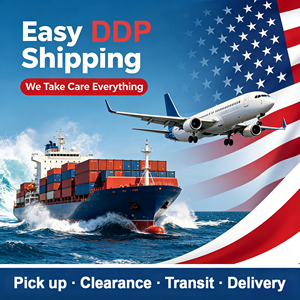
DDP Container Freight Forwarder Logistics Services FCL Sea Cargo Shipping Agent for LCL+Express North American Destinations 16-25 Days
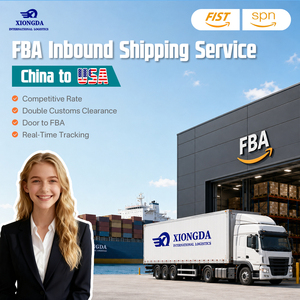
Amazon SPN Partner Fast FCL LCL Sea General Cargo From China To USA/Canada FBA Inbound Shipping Agent With Customs Clearance
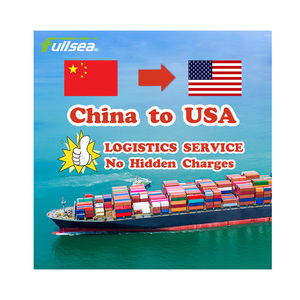
Cheapest Sea Shipping FCL LCL Container Freight Forwarding 15-20 Days to North America Ports & Inland Hubs
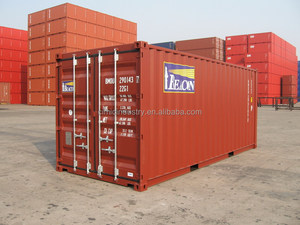
20ft & 40ft Shipping Container Equipment Procurement & Second-Hand Container Leasing Across Major Asian Ports
1. Executive Summary & Toronto Strategic Logistics Infrastructure
The Greater Toronto Area (GTA) stands as the undisputed industrial, commercial, and financial epicenter of Canada, hosting one of North America's most concentrated logistics corridors. As global e-commerce order volumes surge and cross-border trade between Asia, the United States, and Canada becomes increasingly complex, manufacturers, factories, and digital brands located in Toronto require sophisticated 3PL fulfillment architecture. Managing high-velocity order fulfillment, navigating Canadian Border Services Agency (CBSA) customs mandates, and maintaining seamless freight connections between Asian manufacturing hubs (such as Shenzhen, Ningbo, and Shanghai) and Canadian consumer markets demand an integrated, end-to-end supply chain framework.
Historically, order fulfillment was viewed merely as a reactive post-production activity. Today, forward-thinking enterprise brands treat fulfillment logistics as a dynamic engine for Information Gain, margin preservation, and customer retention. Toronto's unique geographical positioning—proximate to major U.S. industrial belts via the Windsor-Detroit and Niagara gateways—makes it a natural dual-market staging ground. Utilizing licensed NVOCC ocean freight consolidation, direct IATA air cargo connections through Toronto Pearson International Airport (YYZ), and automated B2B omnichannel fulfillment centers enables manufacturers to reduce lead times, optimize tax tariffs via Section 321 or bonded warehousing, and ensure 99.8% order accuracy.
2. Localized Logistics Application Scenarios Across the GTA Region
Toronto's industrial topography is highly specialized. Effective supply chain engineering requires localized operational strategies tailored to specific municipal logistics clusters surrounding the city:
Mississauga & YYZ Air Cargo Hub
Ideal for high-value electronics, medical equipment, and time-critical consumer goods. Utilizing direct airport tarmac drayage and cross-dock facilities located within 15 minutes of Toronto Pearson Airport ensures same-day customs clearance and immediate parcel injection into national carrier networks.
Brampton Intermodal Rail Terminals
Servicing heavy manufacturing, automotive components, and bulk industrial imports. Direct rail siding connectivity with Canadian National (CN) and Canadian Pacific Kansas City (CPKC) railways allows seamless transfer of 20ft and 40ft containers originating from Port of Vancouver or Port of Montreal directly into Brampton fulfillment warehouses.
Vaughan & Markham Tech Manufacturing
Tailored for hardware start-ups, telecommunications suppliers, and omnichannel D2C brands. Advanced B2B kitting, custom serial number tracking, pick-and-pack operations, and real-time WMS integration serve localized technology factories and retail distribution channels.
Cross-Border US-Canada Transit Corridors
Leveraging Toronto as a cross-border distribution node. Goods imported via DDP ocean or air freight into Ontario can be efficiently split-shipped: servicing Canadian domestic orders via Canada Post/Purolator while injecting U.S.-bound parcels across the Niagara/Detroit borders under Section 321 duty-free exemptions.
3. End-to-End Operational Logistics Architecture
To maintain absolute supply chain integrity, Toronto manufacturers and e-commerce enterprises require transparent, multi-modal transport methodologies. The operational workflow spans three key legs: overseas origin processing, international transit management, and destination fulfillment execution.
Optimized Ocean & Air Freight Engineering
Whether utilizing Full Container Loads (FCL) for high-density goods or Less than Container Load (LCL) consolidation for flexible inventory turns, direct carrier contracts ensure space allocation even during peak shipping seasons. For time-sensitive products, express air DDP (Delivered Duty Paid) service guarantees 3-to-5 day door-to-door delivery from Asian factories to GTA customer doorsteps.
All shipments undergo strict compliance checks: Importer Security Filing (ISF) for U.S. transit, automated CBSA CARM portal registration for Canadian entry, commercial invoice validation, and precise Harmonized System (HS) code assignment to avoid customs delays or fiscal penalties.
Amazon FBA & SPN Inbound Prep Excellence
For enterprise sellers distributing through Amazon Canada fulfillment centers (including key GTA nodes such as YYZ1, YYZ2, YYZ3, YYZ4, YYZ7, and YHM1 in Hamilton), strict compliance with Amazon's Service Provider Network (SPN) standards is non-negotiable. Dedicated prep services in Toronto include:
- FNSKU Labeling & Polybagging: Precision item-level barcoding and shrink-wrapping matching exact Amazon catalog specifications.
- Palletization & CARP Scheduling: Stacking according to CHEP/standard wood specifications, stretch-wrapping, and automated appointment booking via Carrier Appointment Request Portal (CARP).
- Floor-Loaded Container Unloading: Rapid devanning, sorting, palletizing, and cross-docking of sea containers within 24 hours of port arrival.
4. Supply Chain Decision Matrix: Freight Modes to Toronto
Choosing the right freight modality directly impacts landed cost per unit, working capital velocity, and customer satisfaction. The matrix below outlines operational benchmarks for logistics managers operating in Toronto and North America:
| Transport Mode | Average Transit (Asia to GTA) | Cost Efficiency | Ideal Cargo Volume | Customs Strategy | Fulfillment Suitability |
|---|---|---|---|---|---|
| FCL Sea Freight (20ft / 40ft HC) | 18 – 25 Days | Highest Cost Savings | > 15 CBM / Full Container | Standard Formal CBSA Clearance | Bulk Manufacturing & Large Wholesale |
| LCL Consolidation | 22 – 28 Days | Moderate / Flexible | 1 CBM – 14 CBM | De-consolidation Bonded Whse | Mid-Sized Brands & Regular Stock Replenishment |
| Air Freight Export / DDP | 3 – 6 Days | High Velocity | High Value / < 500 kg | Pre-Cleared Express Customs | Product Launches & Peak Season Overflow |
| Cross-Border Trucking (US-CA) | 1 – 3 Days | Optimized Regional | Palletized / Full Truckload (FTL) | PARS / PAPS Automated Release | Omnichannel B2B & Retail Distribution |
5. Emerging Trends Shaping Toronto E-Commerce & Manufacturing Logistics
As technology disrupts global commerce, logistics infrastructure in the Greater Toronto Area is undergoing a structural transformation. Forwarders and 3PL partners must adapt to four pivotal industry macro-trends:
1. Nearshoring & Dual-Hub Warehousing
With North American companies diversifying manufacturing away from single-source origins, Toronto has emerged as a primary North American nearshoring buffer. Staging safety stock in Ontario warehouses protects against trans-Pacific disruptions while enabling rapid replenishment to eastern U.S. and Canadian markets.
2. CBSA CARM & Digital Customs Integration
The implementation of Canada Border Services Agency's Assessment and Revenue Management (CARM) portal mandates that Canadian importers digitize duty accounting and post commercial bonds. Automated 3PL API integrations ensure frictionless customs releases, preventing costly demurrage at rail ramps.
3. Robotic Automation in Fulfillment
Modern GTA fulfillment centers are increasingly adopting Autonomous Mobile Robots (AMRs), automated sortation conveyers, and AI-driven Warehouse Management Systems (WMS). These technologies boost pick accuracy to 99.9%, reduce labor overhead, and enable late-evening cut-off times for same-day delivery.
4. Sustainable Green Freight Operations
Environmental, Social, and Governance (ESG) criteria are now central to enterprise RFP evaluations. Low-emission intermodal rail routing, electric last-mile delivery fleets in urban Toronto, and optimized container packing algorithms significantly reduce carbon footprints per delivered parcel.
Omnichannel B2B & D2C Integration
Today's consumer expects seamless order fulfillment whether buying via Shopify, Amazon, retail store shelves, or B2B EDI portals. Modern Toronto order fulfillment centers operate synchronized inventory systems—allowing brands to allocate stock dynamically across channels from a single centralized pool without risk of overselling or inventory fragmentations.
Flexible billing structures, automated inventory tracking dashboards, transparent kitting options, and standardized return management protocols (Reverse Logistics) provide Toronto enterprises with total financial clarity and operational agility.
6. Enterprise Competencies & Proven Global Logistics Leadership
Founded in 2005, Regent Logistics Inc. has established itself as an authoritative global freight forwarder and licensed NVOCC operator. Operating strategic hubs across the United States and China—complemented by extensive partner networks in Canada and worldwide—Regent delivers white-glove, institutional-grade logistics solutions tailored to the modern e-commerce manufacturer.
Our core strength lies in personalized customer engineering. Unlike mass-market forwarders governed by rigid ticketing systems, our logistics specialists provide 24/7 proactive account management, direct airline block-space agreements (BSA), and customized door-to-door tracking portals that empower decision-makers with actionable supply chain data.
Global Accreditations & Partner Networks
Licensed, Certified, and Recognized by Premier Global Logistics Authorities





Toronto Buyer & Importer FAQ
Transform Your Toronto Supply Chain Today
Partner with a licensed NVOCC and IATA logistics authority with over 20 years of global freight forwarding excellence. Maximize velocity, reduce landed costs, and scale your omnichannel fulfillment seamlessly.