
OEM/ODM Ocean Freight Booking & Container Solutions
Direct contract carrier allocations for high-volume exporters and manufacturers servicing Latin American trade lanes with guaranteed bill-of-lading processing and free time extension.
Door-to-Door Ocean FCL/LCL Freight Allocation for Brazil Importers
- Route: China / US Hubs to Santos & Paranaguá
- Free Time: Up to 21 Days Demurrage Negotiated
- Service: FCL Contract Allocation & LCL Consolidation
DDP & DPU Express Ocean Line Booking & Custom Customs Clearance
- Coverage: Major ECSA Ocean Ports & Inland Terminals
- Compliance: Portal Único Siscomex Pre-Filing
- Transit Time: 25-32 Days Direct Ocean Service
OEM Equipment FCL Container Line Space Booking & Contract Rates
- Container Types: 20GP, 40GP, 40HC & High-Cube NOR
- Carrier Partners: COSCO, MSC, Maersk, CMA CGM
- Tracking: 24/7 Real-Time Telematics & Milestone Alerts
Multi-Modal Ocean LCL + Intermodal Trucking to Latin American Destinations
- Destinations: Brazil Inland Hubs (São Paulo, Manaus, Curitiba)
- Cross-Dock: ORD Airport Hub & Direct Sea-Rail Transfers
- Handling: Hazardous, Heavy Machinery & Electronic Kits
High-Capacity OEM Heavy Industrial & CKD Container Freight Service
- Equipment: Heavy-Duty 40HC & Open Top Containers
- Customs: Mercosur Tariff Optimization & Tax Guidance
- Security: Smart Container Seals & GPS Telemetry
Fast FCL Express Ocean Line Shipping & Receita Federal Clearance
- Filing: Electronic Bill of Lading (e-BL) & ISF Processing
- Inspection: MAPA Wood Packaging Compliance Guarantee
- Network: Direct Terminal Access at Santos & Navegantes
ODM Consumer Electronics Ocean Freight Consolidation to Manaus ZFM
- Specialty: Manaus Free Trade Zone (ZFM) River Feeder Barges
- Security: Anti-Theft Escorted Intermodal Transit
- Tax Benefit: ICMS & PIS/COFINS Duty Exemption Handling
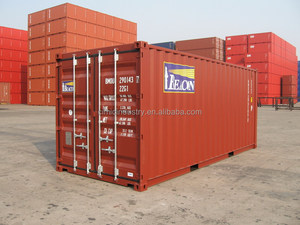
Factory Direct 20ft/40ft Ocean Container Fleet Allocation & Booking
- Fleet Supply: Brand New & Cargo Worthy (CW) SOC/COC Units
- Container Types: Dry Vans, Reefer, Flat Rack, NOR Units
- Flexibility: One-Way Leases & Direct Carrier Bookings
Strategic Ocean Container Line Procurement for OEM/ODM Trade to Brazil
Managing high-volume international trade between major manufacturing hubs in Asia, North America, and South America’s primary economic powerhouse—Brazil—requires an engineered approach to containerized logistics. Navigating ocean line bookings for Original Equipment Manufacturers (OEM) and Original Design Manufacturers (ODM) involves far more than simply securing spot-market container rates. It demands direct carrier alliance contract allocations, robust Non-Vessel Operating Common Carrier (NVOCC) oversight, precise alignment with Brazilian Federal Revenue (Receita Federal) import systems, and strategic intermodal corridor management.
Brazil’s shipping environment presents unique structural dynamics. Ocean container vessels calling at major East Coast South America (ECSA) ports—such as Port of Santos (São Paulo), Paranaguá (Paraná), Navegantes / Itajaí (Santa Catarina), Suape (Pernambuco), and Pecém (Ceará)—frequently navigate seasonal capacity bottlenecks, equipment imbalances, and stringent local regulatory frameworks. For OEM/ODM factories producing automotive Knock-Down (CKD/SKD) kits, industrial machinery, solar photovoltaics, and consumer electronics, supply chain disruptions at sea or at port terminals directly translate into costly assembly line stoppages.
Logistics Insight: Successful OEM/ODM ocean freight execution to Brazil hinges on pre-clearing regulatory compliance via Siscomex (Portal Único) and securing extended ocean container free time (Demurrage & Detention) prior to vessel departure at origin ports.
As an established NVOCC forwarder operating licensed offices in both the United States and China, Regent Logistics bridges the operational gap between OEM/ODM manufacturing floors and global ocean container carriers (including MSC, Maersk, COSCO Shipping, CMA CGM, ONE, and Evergreen). By leveraging long-term service contracts and direct carrier space guarantees, we provide B2B exporters and Brazilian importers with resilient, predictable, and cost-optimized ocean line booking solutions tailored to high-density trade lanes.
Localized OEM/ODM Ocean Shipping Application Scenarios in Brazil
Brazil’s diverse industrial landscape requires customized container transport workflows. Our OEM/ODM container line booking infrastructure is configured to support key regional economic sectors across Brazil's industrial corridors:
1. Automotive OEM Assembly & CKD Supply Chains (Greater São Paulo & Indaiatuba)
Automotive assembly plants located in the ABC region of São Paulo, Indaiatuba, and Resende depend on synchronized delivery of Completely Knocked Down (CKD) vehicle parts. We structure guaranteed weekly 40ft High Cube (40HC) container block allocations with direct ocean routing to the Port of Santos, integrating terminal priority discharge and fast-track bonded trucking directly to manufacturing plants under Brazilian RECOF/RECOF-Sped tax suspension regimes.
2. Electronics ODM Manufacturing in Manaus Free Trade Zone (Zona Franca de Manaus - ZFM)
Shipping electronics components, surface-mount (SMT) assemblies, and semi-conductors to Amazonas requires specialized ocean-to-river intermodal transport. Containers are booked on deep-sea ocean vessels calling at Atlantic gateway ports (Suape or Vila do Conde) or transshipped directly via feeder barges along the Amazon River to the Port of Manaus. We ensure climate-controlled NOR (Non-Operating Reefer) or dry container protection alongside comprehensive ZFM tax incentive filing assistance.
3. Renewable Energy Infrastructure & Heavy Equipment (Northeast Ports)
Utility-scale solar power projects and wind farms throughout Ceará, Bahia, and Pernambuco demand massive volumes of solar PV modules, heavy power inverters, and structural steel racking. Utilizing specialized 40HC, Open Top, and Flat Rack container fleets, we manage direct ocean lines into Port of Pecém and Port of Suape, coordinating heavy-lift out-of-gauge (OOG) terminal handoffs and oversized road transport permits with local traffic authorities (DNIT).
4. Agricultural Machinery & Industrial Component Logistics (Paraná & Rio Grande do Sul)
Exporters of OEM industrial components and heavy agricultural machinery components servicing southern Brazil’s grain belt require stable bookings into Port of Paranaguá and Rio Grande. Our team manages heavy-cargo weight verifications (VGM SOLAS compliance), export packing validation, and specialized container securing to mitigate high-seas dynamic forces encountered along South Atlantic trade routes.
Localized Development Trends Shaping Brazil Ocean Freight
Global supply chain executives navigating Brazilian maritime trade must align their logistics strategies with macro-economic and regulatory evolutions currently modernizing South American international commerce:
1. Digitization of Custom Systems: Portal Único Siscomex & DUIMP Integration
The Brazilian Secretariat of Federal Revenue (Receita Federal) is fully transitioning to the single-window import declaration system, known as DUIMP (Declaração Única de Importação), under the Portal Único Siscomex framework. This initiative digitizes customs clearings, reducing processing times from an average of 17 days down to under 5 days. OEM exporters must ensure that product catalog data, NCM (Nomenclatura Comum do Mercosul) classifications, and manufacturer attributes match digital filing requirements exactly to avoid customs holds and heavy fines upon container arrival.
2. Legislative Expansion of Cabotage: The "BR do Mar" Law
Brazil’s Federal Law 14.301/2022, widely referred to as "BR do Mar", was designed to stimulate coastal shipping (cabotage) and reduce the country's historic over-reliance on highway trucking. By easing rules for foreign-flagged vessels operating along Brazil's 7,400 km coastline, ocean freight forwarders can now seamlessly link international ocean container bookings with domestic feeder routes. This allows OEM goods arriving at hub ports like Santos to be distributed cost-effectively via sea to regional outports in Bahia, Maranhão, and Pará.
3. Green Maritime Corridors & Decarbonization Pressures
With major global ocean carriers committing to net-zero carbon goals by 2050, green shipping corridors between Asia, North America, and South America are expanding rapidly. Dual-fuel LNG and green-methanol container vessels are increasingly deployed on ECSA trade loops. Global OEMs operating under strict ESG mandates can now leverage Regent Logistics’ low-emission container allocations, biofuel offset bookings, and digital CO2 footprint reporting to meet corporate sustainability benchmarks.
4. Tax Reform Implementation (IBS & CBS Replacement of ICMS/PIS/COFINS)
Brazil’s landmark Constitutional Amendment 132/2023 initiates a multi-year overhaul of the country's famously complex indirect tax structure. The existing state ICMS and federal PIS/COFINS taxes are being phased out in favor of a dual Value-Added Tax (VAT) framework comprising CBS (Federal) and IBS (State/Municipal). OEM importers must structure their ocean freight invoicing, Incoterms (FOB vs. CIF vs. DDP), and ocean bill of lading party details carefully to maximize VAT tax credit recovery under the new regulatory model.
Why Global OEMs & Brazilian Importers Partner with Regent Logistics
Founded in 2005, Regent Logistics Inc. has established itself as an authoritative global freight forwarding powerhouse. With dual-headquarters operational control in the United States and China, backed by FMC-licensed NVOCC status and IATA accreditation, we deliver engineered ocean container shipping solutions that remove risk from international supply chains.
FMC-Licensed NVOCC & Direct Carrier Service Agreements
We hold direct service contract agreements with premier container ocean carriers. This gives our OEM factory clients guaranteed vessel allocation, priority equipment pick-up at origin yards, and protected tier-one contract pricing even during peak shipping seasons (PSS) and equipment shortages.
Strategic Chicago Hub (ORD) & Global Consolidations
Our company-operated warehouse facility located just 15 minutes from Chicago O'Hare International Airport (ORD), combined with strategic consolidation yards across Ningbo, Shanghai, Shenzhen, and Qingdao, provides unmatched cross-docking, export packing, and cargo consolidation capabilities before container sealing.
Extended Demurrage & Detention Protection in Brazil
Port congestion and customs clearance checks in Brazil can quickly generate thousands of dollars in daily demurrage penalties. Regent Logistics pre-negotiates 14 to 21 days of combined container free-time at all major Brazilian discharge ports directly into carrier Bill of Lading clauses.
Elite Global Alliance Network Accreditations
As active long-standing members of premier freight alliances—including WCA World, PANCO Logistics Network, GLSN, and FNC—our international door-to-door cargo movements are backed by accredited local agents in Brazil ensuring seamless inland delivery and customs clearance.
Frequently Asked Questions (FAQ) — Ocean Container Procurement for Brazil Trade
Below are essential insights addressing common operational, legal, and tax questions asked by global exporters and Brazilian procurement teams when booking OEM/ODM container shipments:
How many days of free time (Demurrage & Detention) are standard for containers arriving in Brazil, and how can we extend them?
Standard carrier-provided free time at Brazilian ports is typically 7 calendar days. However, due to potential customs inspections (fiscal red channels) by Receita Federal, 7 days is rarely sufficient. Regent Logistics pre-negotiates extended free time agreements ranging from 14 to 21 days for FCL ocean shipments. This extended period is officially clause-endorsed on the Master Bill of Lading (MBL) prior to origin departure, insulating importers from exorbitant daily port storage fees.
What specific documentation is strictly required by Brazilian customs for ocean container clearance?
Brazilian customs enforces meticulous documentation requirements. Importers must present: (1) Original Commercial Invoice with detailed product descriptions, NCM numbers, and manufacturer details in Portuguese or English; (2) Packing List specifying net/gross weights and cubic meter measurements; (3) Master/House Ocean Bill of Lading showing freight payment status (Prepaid or Collect); (4) Certificate of Origin where Mercosur trade preferences apply; and (5) ISPM 15 Phytosanitary Certificate for any raw wood packaging or dunnage used inside the container.
Can ocean freight charges be billed on a Freight Collect basis into Brazil?
Yes, freight collect ocean shipments are permissible in Brazil, provided the Brazilian importer (Consignee) possesses an active SISCOMEX RADAR license. However, local handling charges (THC), freight release fees, and destination administrative surcharges must be paid locally in Brazilian Real (BRL). Note that foreign exchange conversions and local bank tax levies (IOF) apply, making prepaid freight managed via Regent Logistics' centralized contracts often more cost-effective.
What is the difference between FOB, CIF, and DDP Incoterms when exporting OEM products to Brazil?
Under FOB (Free On Board), the Brazilian buyer assumes all ocean freight booking risks and transport costs from the origin port onwards. Under CIF (Cost, Insurance & Freight), the exporter arranges ocean shipping and marine insurance to the destination port, but import customs duties (II, IPI, PIS, COFINS, ICMS) remain the buyer’s responsibility. Under DDP (Delivered Duty Paid), the exporter or their forwarder manages all freight, insurance, taxes, customs clearance, and final door delivery. Regent Logistics specializes in both FOB/CIF container allocations and turnkey DDP solutions for qualified trade corridors.
How does Regent Logistics handle shipments bound for the Manaus Free Trade Zone (ZFM)?
Shipments destined for Manaus require a multi-stage logistics plan. Ocean containers arrive at deep-water ocean transshipment ports, where they are loaded onto river barges navigating the Amazon River to Manaus. Our team coordinates specialized inland documentation (SUFRAMA approval) to ensure importers successfully claim full exemptions on Import Duty (II) and Industrialized Products Tax (IPI).
Why is ISPM 15 compliance critical for ocean container packing when exporting to Brazil?
The Brazilian Ministry of Agriculture, Livestock, and Supply (MAPA) rigorously inspects imported ocean containers for solid wood packaging materials (pallets, crates, dunnage). Non-compliant wood without official heat-treatment (HT) or methyl bromide stamps will trigger mandatory container re-exportation or costly fumigation and destruction orders at the Brazilian port of entry. Regent Logistics verifies wood packaging compliance at origin packing sites prior to container gate-in.
Optimize Your Ocean Container Shipping to Brazil Today
Partner with a licensed NVOCC forwarder offering direct carrier contract rates, extended demurrage protection, and expert Brazilian customs engineering.
Get a Quote