
Temperature-Controlled FCL/LCL Cold Chain Reefer Shipping
Full and less-than-container load refrigerated sea freight solutions equipped with real-time telemetry from Australian ports to global destinations.
Explore our Australia-ready modular refrigerated warehouses, temperature-controlled containerized solutions, and end-to-end cold chain export systems.
Full and less-than-container load refrigerated sea freight solutions equipped with real-time telemetry from Australian ports to global destinations.

IATA-accredited expedited cold chain air export for time-critical diagnostics, plasma, and high-value perishable produce.
Rapidly deployable PIR-insulated cold storage chambers designed for regional Australian farming hubs and distribution points.

Seamless door-to-door temperature-monitored distribution connecting Sydney, Melbourne, Brisbane, and Adelaide facilities.

High-density pallet racking cold stores featuring automated climate zones ranging from -25°C blast freezing to ambient 18°C.

Integrated customs brokerage, ISF filing, and biosecurity clearance paired with temperature-controlled staging zones.

Heavy-duty industrial refrigeration plants built for rapid heat extraction in beef, seafood, and fresh dairy processing plants.
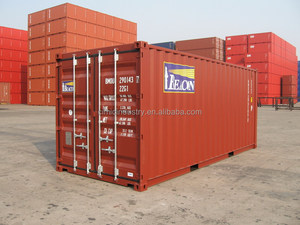
Second-hand and new ISO reefer containers retrofitted with digital micro-climate controls for remote Australian site deployments.
Australia’s vast geographical expanse, coupled with extreme ambient temperature shifts—ranging from tropical heat in Far North Queensland to temperate maritime climates in Victoria and Tasmania—presents a unique thermal management challenge for cold chain operators. Maintaining product integrity across thousands of kilometers of intermodal supply chains demands engineering precision, regulatory compliance, and robust thermodynamic design.
As a global manufacturer and exporter of specialized temperature-controlled cold chain warehousing systems, our engineering frameworks adhere strictly to Australian Standards (AS/NZS), Department of Agriculture, Fisheries and Forestry (DAFF) biosecurity protocols, and Therapeutic Goods Administration (TGA) Good Wholesaling Practice guidelines. Whether designing high-density automated cold stores in Western Sydney or off-grid solar-powered blast chillers for remote pastoral stations in the Northern Territory, our facilities deliver operational continuity, low energy consumption, and total thermal assurance.
Comprehensive technical breakdown of engineered insulated panels, refrigeration cycles, and operational parameters for Australian deployment.
| Thermal Zone Classification | Operating Temp Range | Insulation Core Material | Panel Thickness (mm) | Primary Industrial Application |
|---|---|---|---|---|
| Deep Freeze / Cryogenic | -35°C to -25°C | PIR (Polyisocyanurate) Fire-Rated Core | 150mm - 200mm | Seafood export, tuna blast freezing, biological tissue storage |
| Frozen Storage | -22°C to -18°C | High-Density PUR / PIR Foam | 120mm - 150mm | Australian beef/lamb export staging, commercial ice cream, frozen produce |
| Chilled / Coolroom | +2°C to +8°C | PIR / Mineral Wool Composite | 75mm - 100mm | Dairy, fresh horticultural exports, vaccines & pharmaceuticals (TGA) |
| Controlled Ambient | +15°C to +25°C | EPS / PIR Lightweight Panel | 50mm - 75mm | Wine cellar aging, confectionery, crop seed storage, luxury cosmetics |
| Cleanroom ISO 7/8 Cold Zone | +4°C to +20°C (Controlled RH) | FM-Approved Anti-Bacterial PIR | 100mm Stainless Clad | Biotech manufacturing, sterile compounding, blood plasma handling |
Customized thermal warehousing deployments tailored to Australia's regional economic drivers and export corridors.
Rapid precooling and humidity-controlled storage for table grapes from the Sunraysia region, cherries from Tasmania, and premium wines from the Barossa Valley. Rapid heat extraction prevents cellular breakdown prior to air export via Melbourne (MEL) and Sydney (SYD) hubs.
TGA-compliant cold rooms operating under continuous 2°C to 8°C validation with redundant multi-stage compressor racks, dual UPS battery backup systems, and automated 24/7 continuous temperature data logging for sensitive biologics and clinical trial vaccines.
Heavy-duty blast freezing tunnels designed to bring beef carcasses down to -18°C core temperature in under 24 hours, meeting stringent DAFF export protocols for shipment to Asian and North American markets through the Port of Brisbane and Port of Fremantle.
Ruggedized, containerized cold storage complexes equipped with heavy insulation and hybrid solar-diesel power units. Built to withstand ambient ambient temperatures exceeding 48°C in remote Western Australia and Northern Territory mining camps.
With Australia’s soaring electricity tariffs and abundant solar irradiance, modern cold store facilities are incorporating industrial roof-mounted PV arrays combined with phase-change material (PCM) thermal storage, reducing peak-grid electricity consumption by up to 40%.
In response to the Australian Fluorocarbon Legislation and global HFC phasedowns, facility owners are retrofitting older synthetic refrigerant systems with ultra-efficient CO2 (R744) transcritical systems and low-charge ammonia plants featuring GWP (Global Warming Potential) values of 0 to 1.
Rising industrial land costs in metropolitan hubs like Western Sydney (Badgerys Creek precinct) and Melbourne West (Truganina) are driving adoption of Automated Storage and Retrieval Systems (AS/RS), allowing cold rooms to operate at heights up to 40 meters with minimal human-induced heat loads.
Combining decades of precision engineering with end-to-end NVOCC logistics, Chicago ORD airport proximity, and global trade compliance.
Established in 2005, our corporate ecosystem operates licensed NVOCC and IATA forwarding operations alongside advanced modular cold room manufacturing hubs. We bridge the gap between heavy structural engineering and complex international freight logistics.
With major operational bases adjacent to key transit hubs—including Chicago O'Hare (ORD) and direct carrier access across Shenzhen, Shanghai, Sydney, and Melbourne—we facilitate seamless ocean FCL/LCL reefer shipping, air freight, and inland cross-docking under one management roof.
Clients gain access to our custom tracking portal, offering 24/7 visibility into door-to-door cargo status, GPS location, micro-climate sensor logs, dynamic humidity levels, and automated customs clearance alerts.
Beyond raw cold storage, our facilities offer customized value-added services: multi-temperature pick-and-pack, barcode labeling, export re-palletization, biosecurity inspection staging, and drop-shipping fulfillment tailored to your enterprise ERP.
Expert answers covering regulatory compliance, engineering standards, power consumption, and logistics integration.
Yes. All our cold chain warehousing structures and modular insulated panels are manufactured to conform with National Construction Code (NCC) of Australia standards, AS/NZS structural integrity ratings, and FM Global fire ratings. For food exporters, our facility layouts are engineered to fulfill Department of Agriculture, Fisheries and Forestry (DAFF) biosecurity and export registration requirements, including seamless drainage, smooth coving, and washdown-safe food-grade surfaces.
Our units utilize high-density Polyisocyanurate (PIR) core panels (up to 200mm thickness) featuring thermal conductivity ratings as low as 0.020 W/m·K. Refrigeration plants are engineered with oversized tropicalized condensers, variable-speed inverter compressors, and ambient-sensing control logic that dynamically compensates for extreme thermal head pressures without risking compressor burnout or internal temperature drift.
Absolutely. Our IoT telematics architecture supports open API integrations, MQTT protocols, and Modbus outputs. Thermal telemetry data—including multi-zone temperature probes, door-open sensors, humidity levels, and compressor power draw—can be streamed directly into your enterprise ERP, WMS, or third-party logistics tracking platforms in real time.
Standard modular units and containerized cold rooms are typically manufactured and factory-tested within 2 to 3 weeks. Ocean freight transit from our primary Asian manufacturing locations to major Australian ports (Sydney, Melbourne, Brisbane, Fremantle) ranges between 12 to 18 days. We manage the complete customs clearance, NVOCC forwarding, and ISF/import documentation process for a turn-key experience.
For biopharmaceutical deployments, we provide full IQ/OQ/PQ (Installation, Operational, and Performance Qualification) validation protocol documentation. This includes 24-hour to 72-hour temperature mapping reports under loaded and empty state conditions, calibrated sensor certification, redundancy failover testing logs, and alarm notification system verifications required under TGA Good Wholesaling Practice guidelines.
We provide full-service cold chain staging. Product arriving from regional farms or production plants can be received in our climate-controlled ante-rooms (+4°C), inspected, re-palletized onto slip-sheets or heat-treated timber pallets (ISPM 15 compliant), fitted with temperature dataloggers, and loaded directly into pre-cooled FCL reefer containers or air freight ULDs without breaking the cold chain.
Contact our senior thermal logistics engineers and export specialists today for custom design consultations, technical specs, and competitive freight quotes.
Get a Quote