
Featured Intermodal Freight Solutions & Terminal Equipment
Engineered for high-efficiency Eurasian rail trade, certified for European rail intermodal operations, and optimized for door-to-door reliability in the Luxembourg hub network.

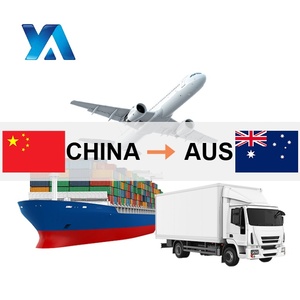
Eurasian Intermodal Rail Freight Architecture: China to Luxembourg Axis
| Transport Mode | Transit Time (China to Luxembourg) | Cost Factor (Relative) | Carbon Intensity (g CO2/t-km) | Reliability & Weather Resistance |
|---|---|---|---|---|
| Direct Air Freight | 3 - 6 Days | 100% (Highest) | ~602g | Medium (Airport Congestion Risk) |
| Intermodal Rail Express (CRE) | 14 - 18 Days | 30% - 40% | ~48g | High (Fixed Railway Schedules) |
| Ocean Freight (FCL via Antwerp/Rotterdam) | 35 - 45 Days | 15% - 20% | ~18g | Medium-Low (Canal Bottlenecks/Port Delay) |
| Combined Sea-Rail Intermodal | 22 - 28 Days | 25% | ~30g | High (Optimized Corridor Routes) |
Localized Application Scenarios across Luxembourg & Greater Region
1. Automotive OEM & Spare Parts Supply Chain
Luxembourg hosts key Tier-1 automotive component suppliers and manufacturing plants. Intermodal rail containers transport precision machinery, stampings, and electronics from Chongqing/Wuhan hubs directly to Bettembourg for just-in-time (JIT) line-side delivery.
2. High-Tech & Renewable Energy Distribution
Solar inverter assemblies, lithium batteries, and telecommunication hardware exported from Guangdong hubs utilize CSC-certified, temperature-monitored intermodal containers to ensure structural integrity across extreme temperature gradients on the Eurasian steppe.
3. Bonded Hub-and-Spoke Warehousing
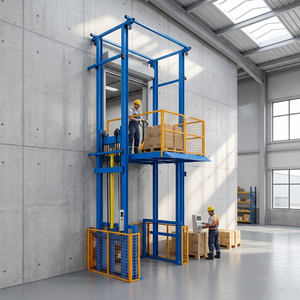
Leveraging Luxembourg’s Freeport and Eurohub Sud facilities, heavy warehouse handling equipment such as TAIGANG hydraulic cargo lifts enable multi-tier vertical storage optimization, accelerating cross-docking for onward European distribution.
Localized Market Trends: Decarbonization, Digitalization & EU Compliance
Enterprise Core Competencies & Strategic Advantages
Dual NVOCC & IATA Accreditation
Fully licensed Non-Vessel Operating Common Carrier and IATA accredited operator since 2005, providing legal accountability, direct carrier contracts, and sovereign customs bond management.
Seamless DDP Customs Clearance
In-house European customs brokers manage VAT deferment (Reverse Charge Mechanism in Luxembourg), import duty classification, and smooth green-lane customs release without hidden terminal storage surcharges.
Proprietary Terminal & Warehouse Tech
Integration of heavy-duty hydraulic lifters, automated racking, and cross-docking infrastructure across both Chinese loading hubs and European destination terminals ensures zero-damage cargo handling.
Frequently Asked Questions (FAQ) for Luxembourg Buyers
Expert insights on customs clearance, transit schedules, container specifications, and intermodal freight routing from China to Luxembourg.
What is the typical door-to-door transit time for intermodal rail freight from China to Luxembourg?
The average rail transit time from major Chinese origin terminals (such as Xi'an, Chengdu, Zhengzhou, or Yiwu) to European main hubs (Duisburg, Malaszewicze) is 12 to 14 days. Final-leg intermodal trucking or feeder rail connecting to the Luxembourg Bettembourg terminal adds 2 to 3 days. Consequently, total door-to-door delivery usually ranges between 15 and 19 calendar days, depending on customs clearance efficiency.
How are customs duties and VAT handled under DDP (Delivered Duty Paid) terms into Luxembourg?
Under DDP shipping terms, our logistics agency acts as the importer of record or coordinates via fiscal representation in the EU. Import duties and Luxembourg Value Added Tax (VAT) are calculated upfront and processed through European customs databases (such as Luxembourg's eCustoms platform). Luxembourg offers advantageous VAT postponement mechanisms for corporate buyers, preventing cash-flow friction during cargo entry.
Why is CSC Certification mandatory for railway intermodal containers manufactured in China?
The International Convention for Safe Containers (CSC) standard mandates that every container used for international rail and sea intermodal transport undergoes rigorous structural testing for stacking strength, transverse racking, and floor payload integrity. Containers entering European rail yards must carry an active CSC safety plate to be loaded onto European intermodal wagons and handles without safety infractions.
Can LCL (Less-than-Container Load) shipments be sent via rail to Luxembourg?
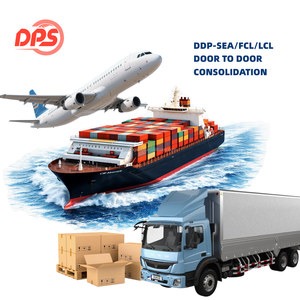
Yes, LCL intermodal rail services are widely available for smaller commercial shipments (starting from 1 CBM / 500 kg). Goods from multiple suppliers are consolidated at origin hubs in Shenzhen, Yiwu, or Shanghai into a single intermodal container, shipped via China-Europe Railway Express, and deconsolidated at a central European warehouse prior to final bonded truck delivery to your premises in Luxembourg.
How do railway gauge changes at international borders affect cargo safety?
Eurasian rail transit involves transitioning between standard gauge (1435mm in China and Europe) and broad gauge (1520mm in Kazakhstan, Russia, and Belarus). At border break-of-gauge stations (e.g., Alashankou/Dostyk), automated gantry cranes transfer the entire intermodal container from one wagon set to another. Cargo inside the container remains untouched, sealed, and protected throughout the transfer process.
What cargo insurance coverage is recommended for cross-border intermodal rail shipments?
We strongly advise procuring All-Risk Cargo Insurance (Institute Cargo Clauses A - Railway/Road). This covers potential risks including transit damage, derailment, theft, or extreme weather conditions during the transcontinental journey. Full coverage typically costs between 0.15% to 0.3% of the total declared invoice value of the goods.
What role does the TAIGANG Hydraulic Cargo Lift play in terminal logistics?
The TAIGANG TGSJD hydraulic cargo lift is specifically engineered to overcome vertical elevation differences within multi-level intermodal logistics warehouses, freight transfer centers, and container loading bays. Featuring wireless remote control and up to 16m elevation, it facilitates safe, rapid movement of 0.5 to 3-ton palletized cargo between ground level and elevated storage floors.
How can buyers initiate a quote for China-to-Luxembourg intermodal rail freight?
Luxembourg importers can simply click the interactive "Get a Quote" button located across our product showcase cards. Providing your shipment parameters (origin city in China, weight, volume/CBM, commodity type, and target delivery date) allows our logistics engineers to generate a tailored intermodal routing quote within hours.
Optimize Your Eurasian Supply Chain to Luxembourg Today
Partner with China's premier intermodal freight manufacturers and licensed multimodal operators. Lower your carbon footprint, reduce transit times by 50% compared to ocean freight, and ensure flawless customs clearance at the Bettembourg terminal hub.